Does Short Hair Really Age You? Busting the Biggest Haircut Myths
A coworker of mine spent nearly a year talking about cutting her hair short. She’d bring it up, pull up photos on her phone, then talk herself out of it every single time. Her reasoning was always the same. “I’m scared it’ll age me.”
She’s 34.
That number matters here, because this fear doesn’t seem to care how old you actually are. Twenty-somethings say it. Women in their forties say it. Even teenagers repeat it without really knowing where the idea came from in the first place.
So let’s actually dig into it. Does short hair age you, or is this one of those hair myths that got repeated so many times it started sounding like fact?
Where This Idea Even Came From
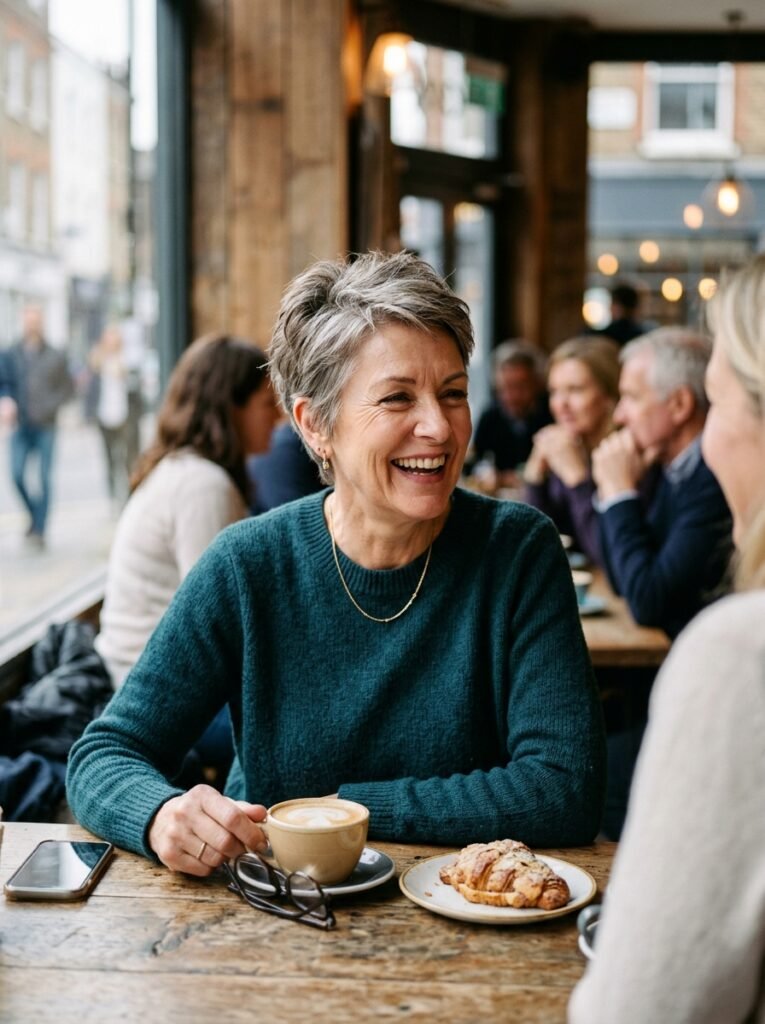
This belief didn’t come out of nowhere. For decades, there was an unspoken rule floating around that women should cut their hair short once they hit a certain age, usually somewhere around 40 or 50. Long hair was for “young women,” short hair was for everyone else, and stepping outside those lines felt risky.
That rule got flipped on its head at some point, and now the fear runs the opposite direction. Suddenly the worry isn’t “long hair looks immature,” it’s “short hair will make me look older than I am.” Neither version of the rule was ever really true. They were just two sides of the same outdated idea that a haircut alone determines how youthful someone looks.
Hair trends shift, but the underlying assumption stays weirdly consistent: that there’s one correct hair length for every stage of life. There isn’t.
The Real Answer, and It’s Not About Length at All
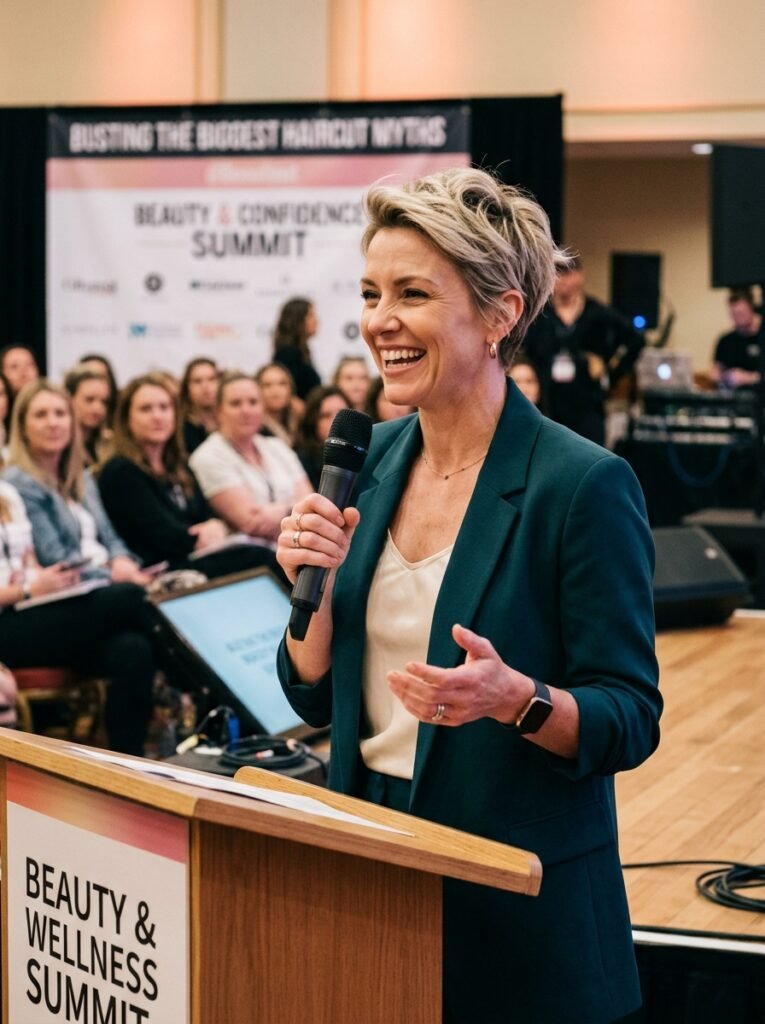
Here’s the thing nobody tells you clearly enough. Length has almost nothing to do with whether a haircut looks aging. What actually matters is the shape of the cut, how it frames your face, and whether it works with your hair’s natural texture instead of against it.
A short cut with the wrong proportions can look severe and tired. A short cut with good layering and the right shape around the face can look sharp, fresh, and honestly kind of youthful in a way long hair sometimes can’t pull off.
The same goes in reverse. Long hair that’s thin, flat, damaged at the ends, and styled the exact same way it was fifteen years ago can read as tired, not youthful. Length was never the deciding factor. Health, shape, and how well a cut suits an individual face were always doing the heavy lifting.
If you want a simple way to think about it: a haircut ages you when it doesn’t fit your features, not when it’s short.
Signs a Haircut Is Aging You, Regardless of Length
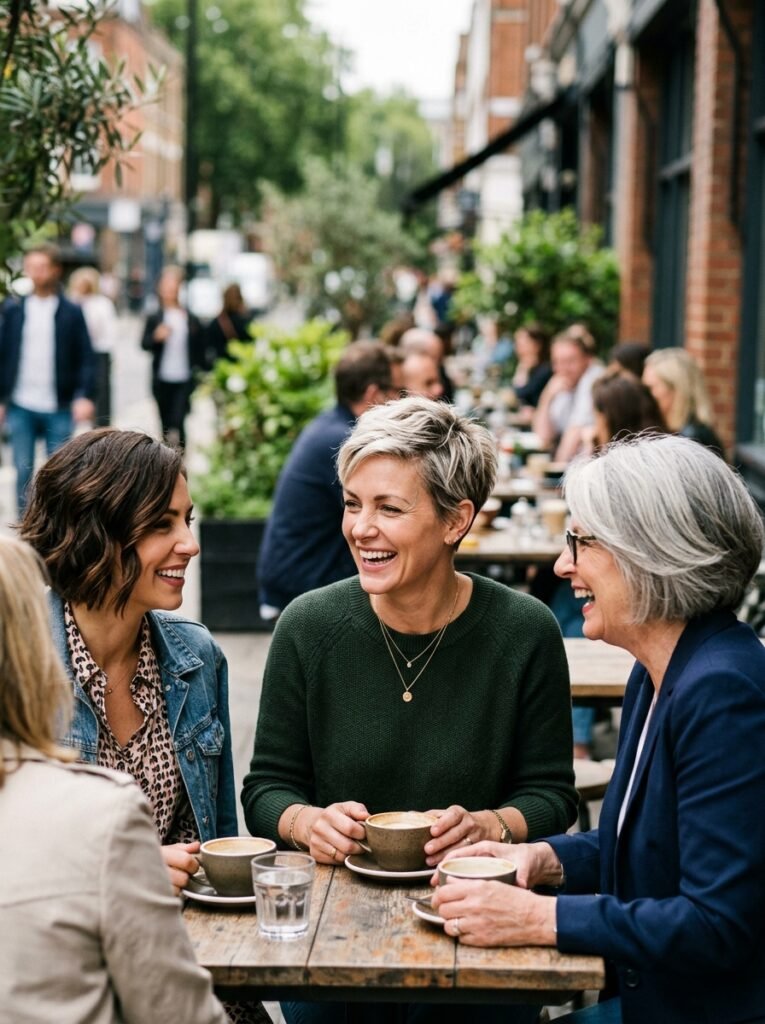
Since the real culprits aren’t about length, here’s what actually tends to make any haircut look older than it should.
- Hair that’s stiff, overly sprayed, or styled in one rigid shape without movement
- A cut that ignores your face shape and adds width or length in the wrong places
- Split, damaged ends that catch light unevenly and look dull
- A style that hasn’t changed in a decade, regardless of whether it’s long or short
- Too much harsh, flat color with no dimension near the face
- Heavy bangs cut straight across without any softness at the edges
Notice none of these mention length at all. They’re about condition, shape, and whether the cut still fits the person wearing it.
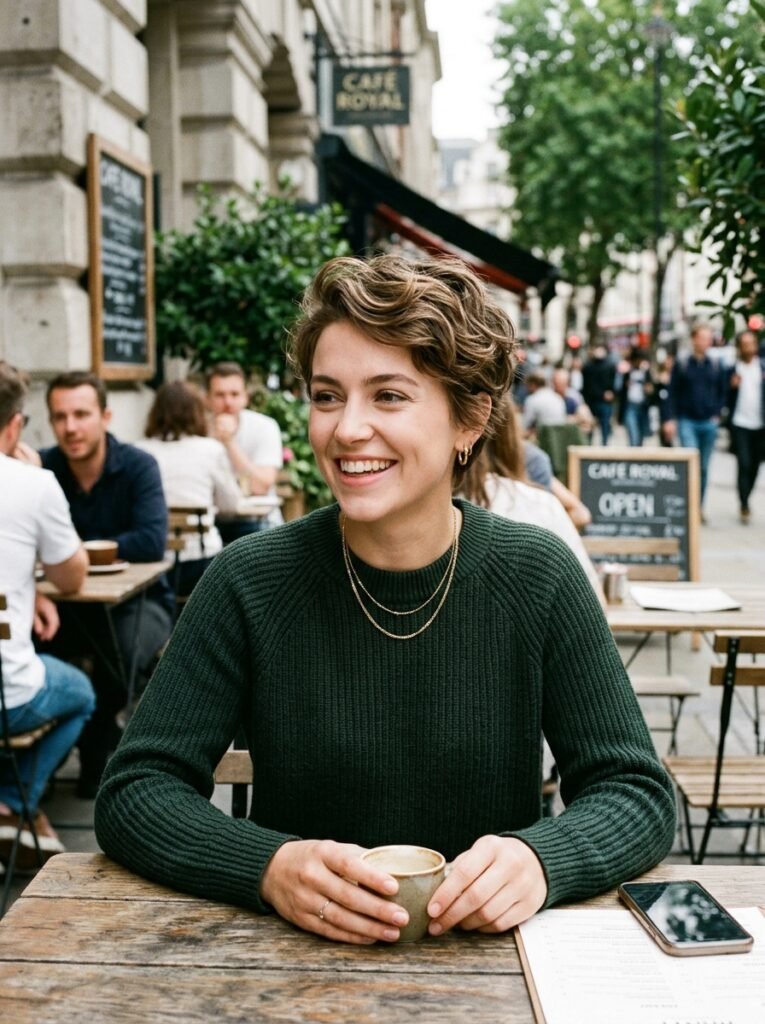
Myth: Short Hair Is Only for Older Women
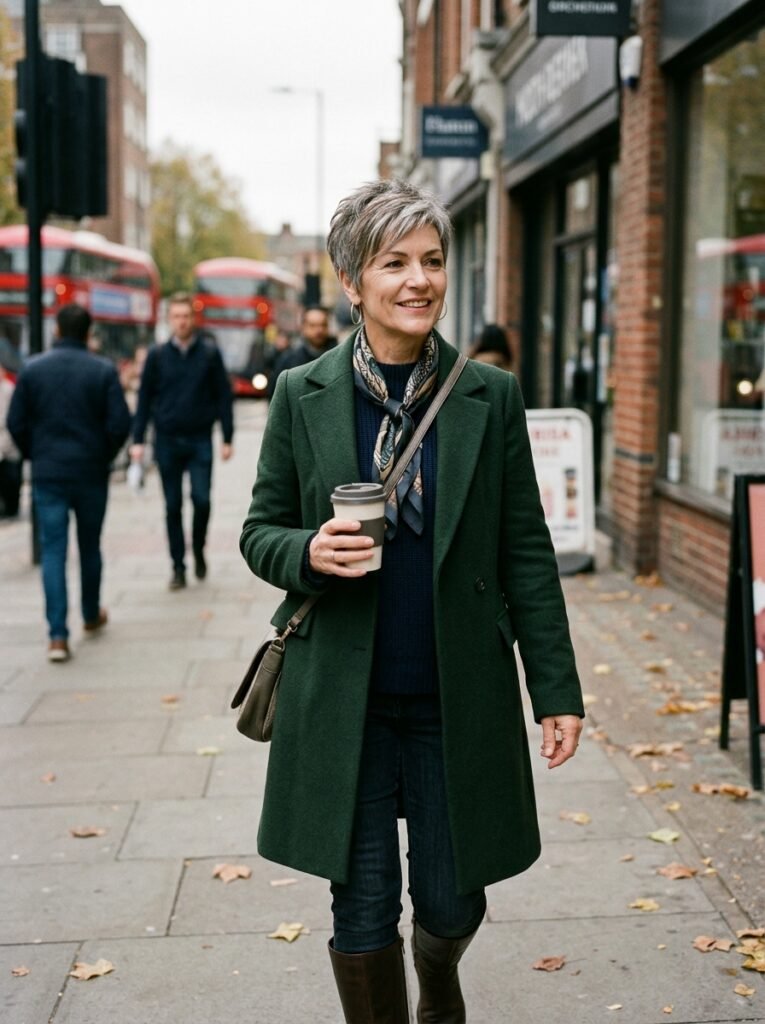
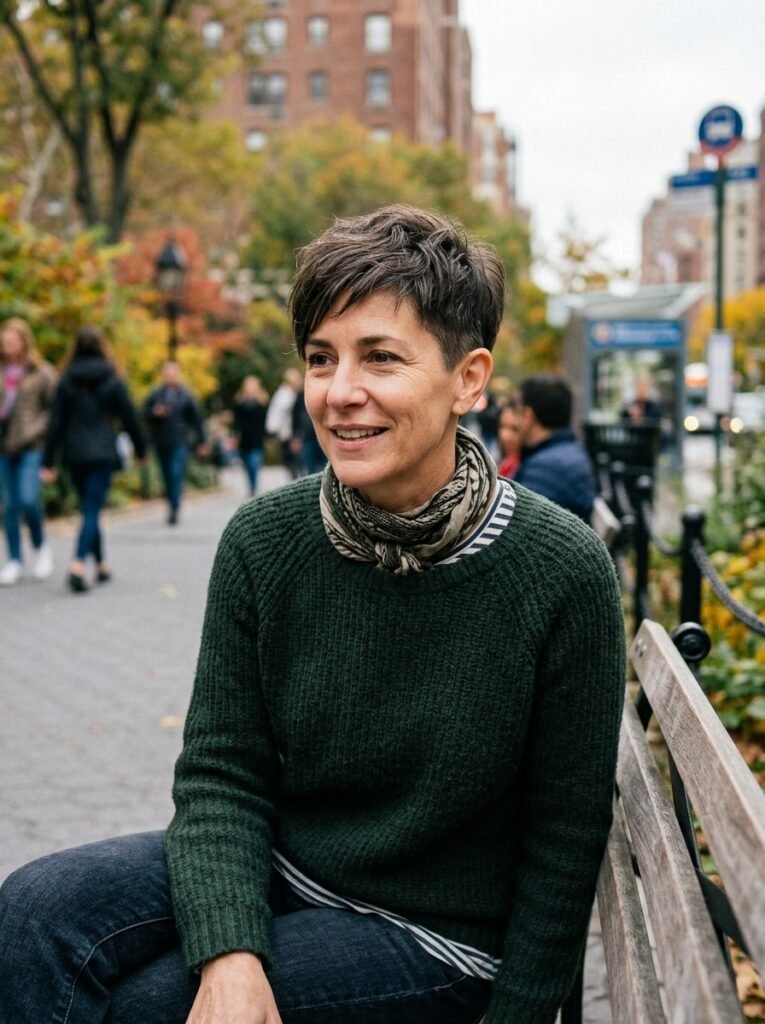
This one is fading, thankfully, but it still lingers in a lot of people’s heads. The truth is short hair works across pretty much every age range when it’s cut with the right proportions for that person’s face and hair texture.
A sharp bob, a soft pixie, or a textured lob can look just as fitting on someone in their twenties as someone in their sixties. What changes isn’t whether short hair “belongs” to a certain age group, it’s how the cut is styled and finished. A pixie with soft, piecey texture reads completely differently from a pixie that’s slicked flat and rigid.
Myth: Long Hair Automatically Looks Younger
This is probably the most common version of the fear, and it’s just as shaky as the myth it replaced. Long hair looks youthful when it’s healthy, has movement, and is styled in a way that suits the person. It does not look youthful just because it’s long.
Thin, over-processed long hair that hangs flat with no shape can actually add years rather than take them away. Meanwhile, a well cut shoulder-length style with the right layers can look fresher than long hair that’s been the exact same length and shape since college.
Length gets credit it hasn’t earned. What people are actually responding to when they say “that looks youthful” is usually shine, movement, and a cut that suits the face in front of them.
Myth: Short Hair Limits Your Styling Options
This one comes up a lot, and it’s understandable since short hair does mean fewer of the classic long-hair styles like high ponytails or elaborate braids. But that’s a trade, not a downgrade.
Short hair opens up a different category of styling entirely. Texture becomes way more visible and easy to play with. A little product can completely change the look from sleek to tousled in minutes. Parting changes, subtle waves, or slicked-back finishes all read differently on shorter hair and give you options long hair simply doesn’t offer in the same way.
If styling variety is the actual concern, short hair isn’t lacking. It’s just different, and honestly a lot faster to deal with on busy mornings. Think about how many long-hair days genuinely start with a full styling routine versus how many end in a quick bun because there simply wasn’t time. Short hair tends to look intentional even on the low-effort days, which is more than a lot of long hairstyles can say.

Myth: Gray Hair and Short Hair Together Means You’ve “Given Up”
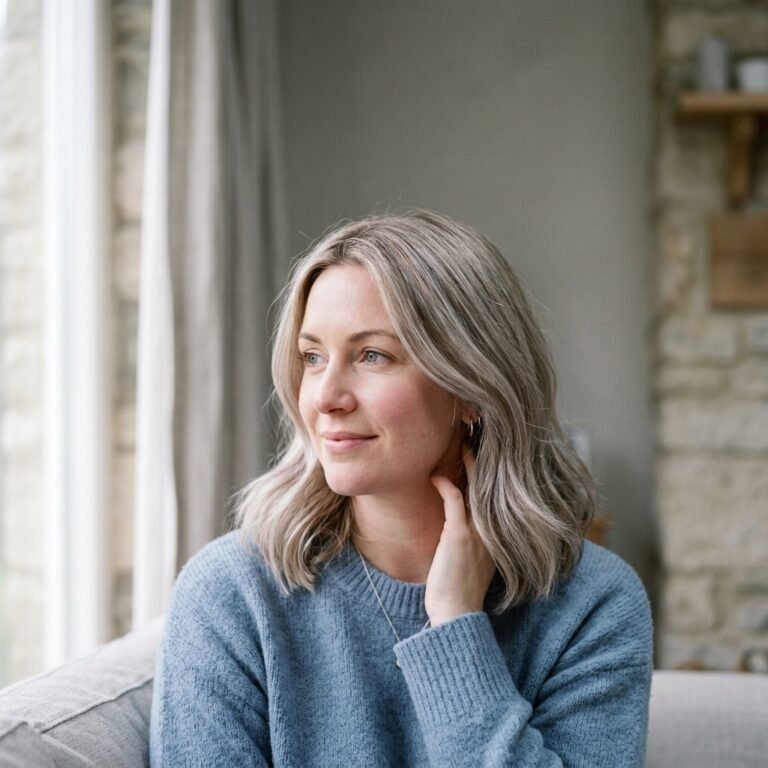
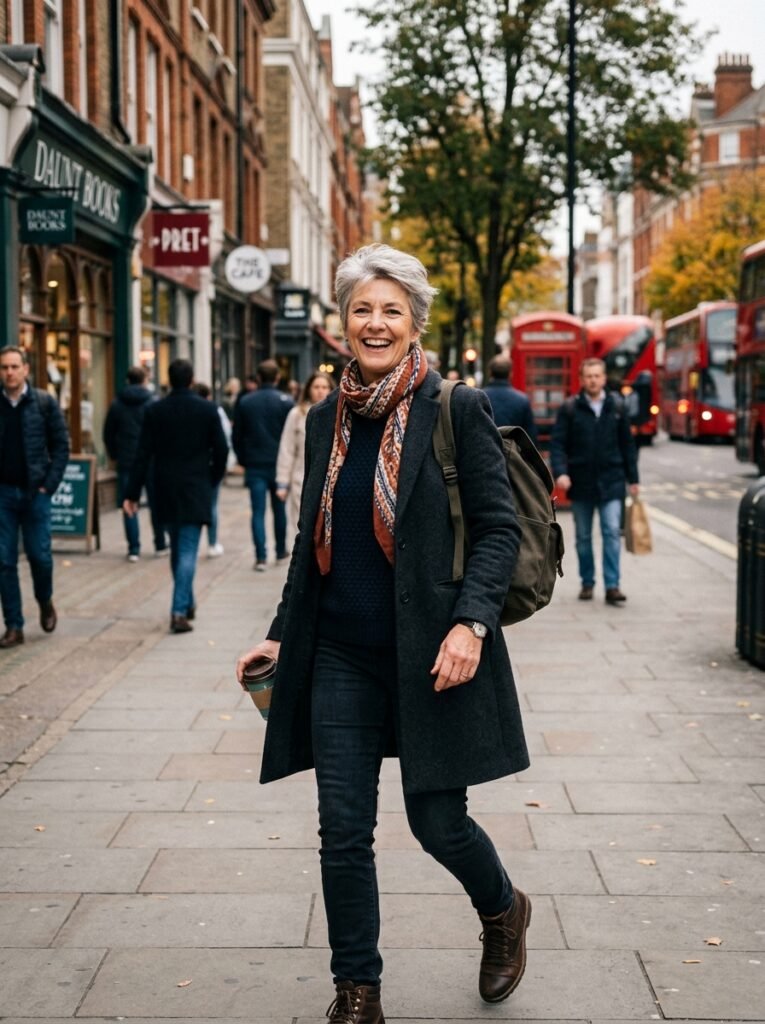
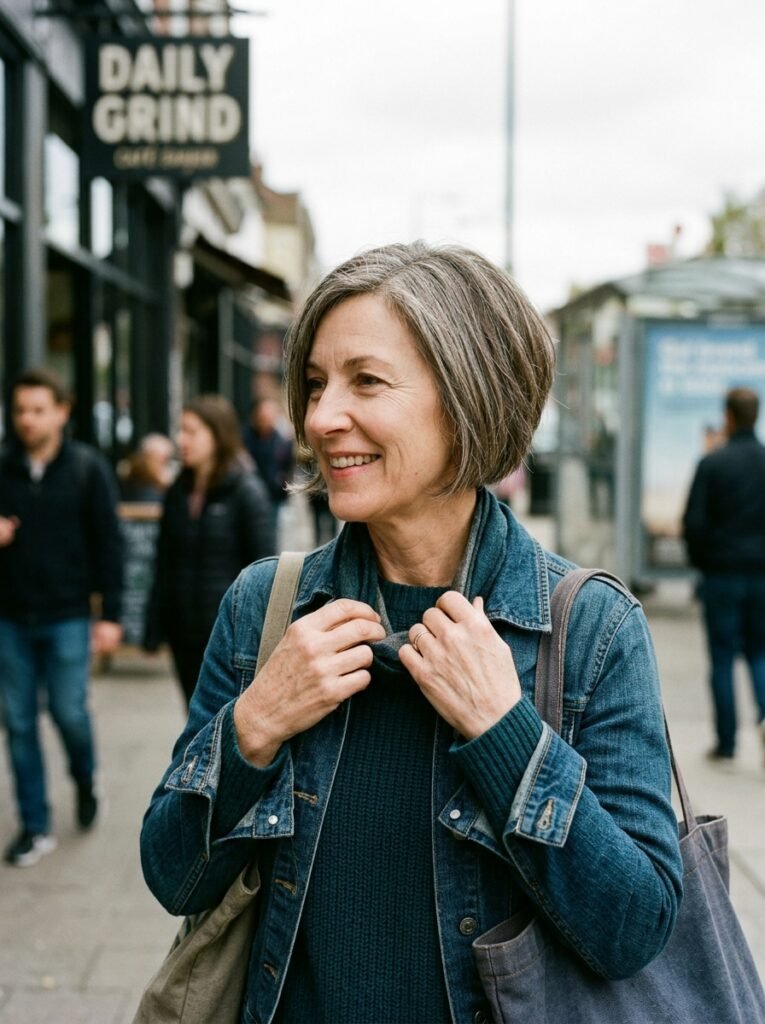
This phrase gets thrown around way more than it should, and it’s honestly one of the more frustrating myths out there. Choosing to embrace natural gray alongside a short cut isn’t giving up on anything. It’s a deliberate choice, and often a pretty confident one.
Plenty of women find that once they stop fighting gray with constant color and let a good short cut do the work instead, their whole look feels more intentional rather than less put together. The combination isn’t inherently aging, it’s just less common, which makes people describe it in ways that aren’t really fair.
Why This Myth Is So Hard to Shake
Even once someone logically understands that length isn’t the real issue, the fear tends to stick around anyway. Part of that is just how haircuts work socially. A short cut is dramatic and visible the moment you walk into a room, while a slow change in length happens gradually enough that nobody really comments on it.
That visibility makes short hair feel like a bigger risk, even when it isn’t actually riskier in terms of how it reads on your face. People remember the one time someone got a short haircut that didn’t suit them far more vividly than the countless times a length change went completely unnoticed.
There’s also the reversibility factor at play. Trimming an inch off long hair feels low stakes because it grows back fast and nobody really sees the difference. Chopping several inches off feels permanent and a little scary, even though hair, in the end, always grows back eventually. That psychological weight gets mistaken for actual risk, when really it’s mostly about how visible and immediate the change feels in the moment.
A Story Worth Mentioning
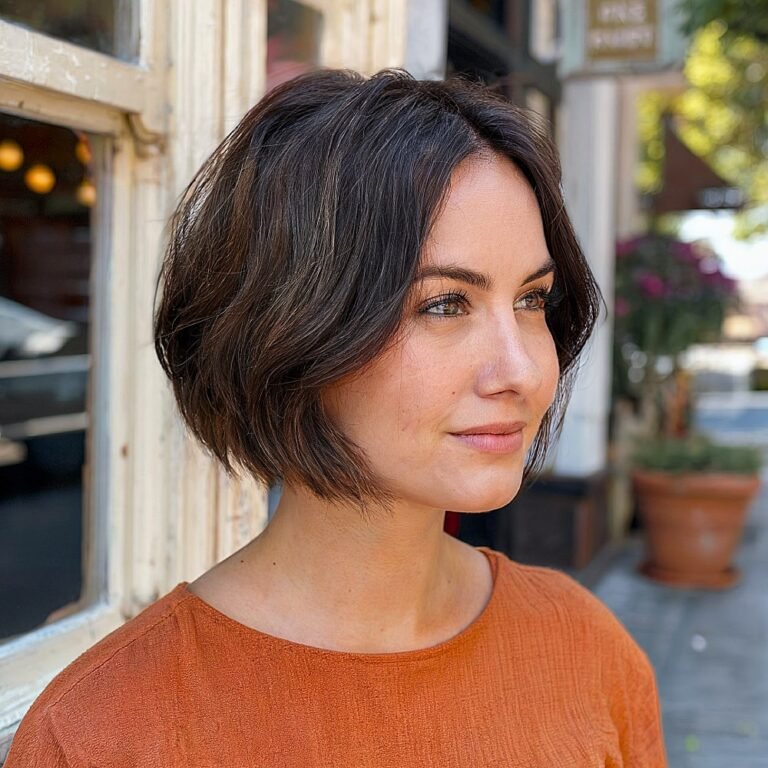
Back to my coworker for a second. She finally went through with the cut, a chin-length bob with soft layers around her face. She was convinced people would say she looked older.
What actually happened was the opposite. Multiple people asked if she’d done something different because she looked more awake, more put together. Nobody used the word “older.” A few people used the word “fresh.”
What changed wasn’t her age. It was that the new cut suited her face shape better than her old long, blunt ends ever did, and it gave her hair actual movement instead of just weight. The haircut didn’t age her or de-age her. It just fit.
This kind of story shows up constantly once you start paying attention. If you’re curious about the age angle specifically and want a more detailed breakdown of when a shorter cut tends to genuinely make sense, this honest take on cutting your hair short after 50 walks through it without the usual scare tactics.
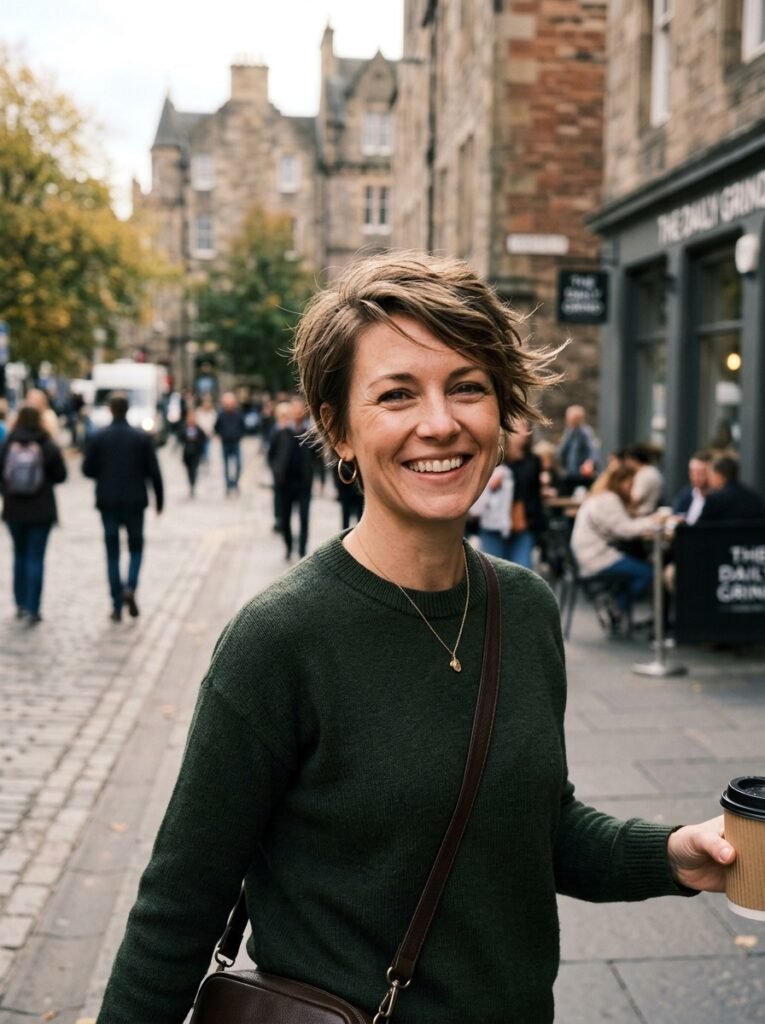
If You’re Going Short, Avoid These Aging Traps
Cutting your hair short won’t age you on its own, but a poorly chosen short cut absolutely can look dated if you’re not careful. A few things to watch for.
- Going too severe all at once. A drastic chop with zero softness can feel harsh, especially if your hair has never been that short before. Easing into it with a longer bob first is a reasonable option if you’re nervous.
- Ignoring texture. Straight-across, blunt short cuts can look stiff on hair with any natural wave or curl. Let your stylist work with what your hair actually does instead of fighting it.
- Skipping face-framing pieces. A few softer strands near the face keep a short cut from looking too uniform or harsh.
- Choosing a cut because it looked good on someone else. Face shape, hair density, and even how your hair grows out at the nape all change how a short style sits. What worked for a friend or a celebrity photo might need real adjusting for your own features.
- Not accounting for regrowth. Short cuts grow out faster in appearance than long ones since even small amounts of new growth change the shape. Budget for more frequent trims if you want the cut to keep looking intentional.
Quick Comparison: What Actually Signals “Youthful” in a Haircut
If you’re trying to figure out what to focus on instead of length, here’s the shortlist that actually matters.
- Healthy shine over dullness
- Movement and texture over rigid, flat styling
- A cut shaped for your specific face over a generic trending style
- Regular trims that keep ends looking fresh
- Color with some dimension rather than one flat block
Every one of these applies whether your hair is buzzed short or reaches your waist. That’s really the whole point.
Frequently Asked Questions
Does cutting hair short make wrinkles more noticeable? Not really. Any haircut that pulls hair tightly away from the face without softness can draw more attention to the face overall, but that’s about styling choices, not about length itself. Soft layers and face-framing pieces work the same way whether the cut is short or long.
Is there an age where short hair looks “more appropriate”? No specific age makes a haircut more or less appropriate. What matters is whether the cut fits the person’s face shape, hair texture, and personal style. Plenty of people in their twenties suit short cuts beautifully, and plenty of people in their sixties look great with long hair.
Will going short make my hair look thinner? It depends on the cut, not the length itself. A well shaped short cut can actually make fine hair look fuller, since shorter ends carry less weight and hold their shape better. A poorly cut short style can look sparse, but that’s a cutting issue rather than a length issue.
How do I know if a short cut will suit me before committing? Ask your stylist for their honest opinion based on your face shape and hair texture, and consider trying a longer bob first if you’re nervous about going drastically shorter right away. Many stylists can also show reference photos on similar face shapes to give you a realistic idea before any cutting happens.
Can I go back to long hair easily if I don’t like a short cut? Growing hair back out takes time, usually a couple of years to reach significant length again, but it’s absolutely possible. Awkward growing-out phases can be managed with strategic trims and styling in the meantime, so it’s rarely a permanent regret even if it feels that way at first.
The Bottom Line
Short hair doesn’t age anyone. Neither does long hair automatically keep someone looking young. The idea that length alone controls how old you look is one of those myths that sounds true simply because it’s been repeated for so long, not because it holds up under any real scrutiny.
What actually matters is whether a cut suits your face, works with your hair’s natural texture, and gets maintained well enough to stay healthy and shiny. Chase those things instead of chasing a specific length, and the age question mostly takes care of itself.
If you’ve been putting off a haircut you actually want because of this fear, that’s worth reconsidering. The cut that makes you feel most like yourself is usually the one that ends up looking the most youthful anyway.
Talk to a stylist who actually listens to what you want rather than one who pushes you toward whatever feels “safe” for your age. Bring photos, ask honest questions about your face shape and texture, and remember that the goal was never a specific length in the first place. It was always about finding a cut that makes you want to catch your reflection in a mirror instead of avoiding it.