
Is Copper Hair Color Right for You? Check Your Skin Tone First
Copper hair color has a way of catching your eye in the best possible way. It’s warm, vibrant, and has this natural glow that looks effortless when it’s done right. But if you’ve ever tried on a copper wig, seen a copper haired friend, or scrolled through inspiration photos and thought “would that actually work on me,” you’re asking exactly the right question.
Copper isn’t a one size fits all color. It’s a shade that interacts heavily with your skin’s undertone, which means the same copper formula can look stunning on one person and slightly off on another. The good news is figuring out whether copper works for you isn’t complicated once you understand what to look for. This guide walks through exactly how to check your skin tone, which copper shades tend to work best for different undertones, and how to keep copper hair looking vibrant once you commit to it.
What Exactly Is Copper Hair Color
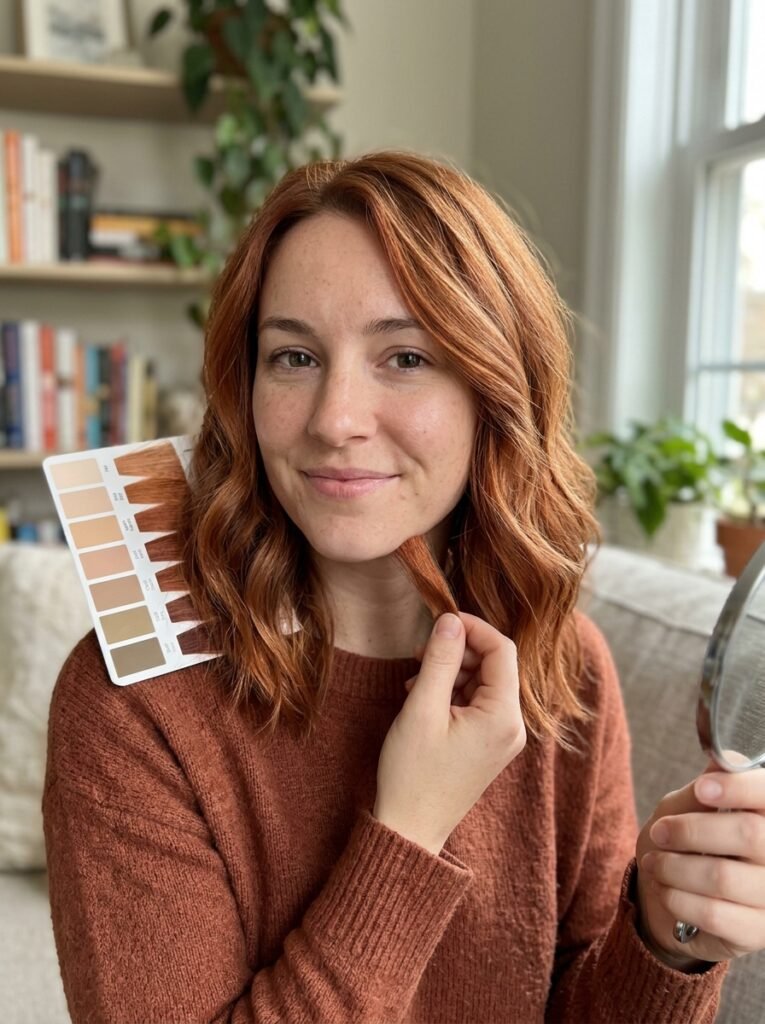
Copper sits in a unique space between red and orange, often with warm golden undertones mixed in. It’s brighter and more vibrant than a traditional auburn, but not as deep or cool as a true red. Think of copper pennies, autumn leaves, or a warm sunset glow. That’s the general color family we’re talking about.
Because copper leans so warm, it tends to interact strongly with the warmth or coolness already present in your skin. This is really the heart of why skin tone matters so much when choosing this color. A shade that complements your natural warmth will look radiant and healthy, while a shade that clashes with your undertone can sometimes wash you out or create a strange contrast against your complexion.

Why Skin Tone Matters So Much for Copper Hair
Hair color sits directly next to your face, which means it has a bigger visual impact on your complexion than almost any other style choice you make. Warm hair colors, like copper, tend to either enhance or compete with your skin’s natural warmth, depending on how well the shade is matched.
When copper is chosen well, it tends to make skin look brighter, eyes look more vivid, and the overall look feel cohesive rather than jarring. When it’s mismatched, it can sometimes make skin look sallow, emphasize redness in the complexion, or create a strange disconnect between hair and face that feels slightly off, even if you can’t immediately pinpoint why.
This doesn’t mean people with certain skin tones can never wear copper. It means the specific shade of copper, and sometimes the placement or technique used to apply it, needs to be thought through carefully rather than picked at random.

How to Determine Your Skin Undertone
Before choosing a copper shade, you need to understand your own undertone, since this is the single biggest factor in finding a flattering match.

The Vein Test
Look at the veins on the inside of your wrist in natural light. If they appear more blue or purple, you likely have a cool undertone. If they appear more green, you likely have a warm undertone. If you genuinely can’t tell or see a mix of both, you likely have a neutral undertone.
The Jewelry Test
Think about whether gold or silver jewelry tends to look better against your skin. Gold jewelry usually flatters warm undertones, while silver tends to complement cool undertones. If both look equally good on you, that’s often a sign of a neutral undertone.
The White Paper Test
Hold a plain white piece of paper up next to your face in natural light. If your skin looks slightly yellow or golden by comparison, you likely lean warm. If your skin looks slightly pink or rosy by comparison, you likely lean cool.
Consider Your Natural Eye and Hair Color
While not a definitive indicator on its own, people with warm undertones often naturally have hazel, brown, or amber eyes and naturally warm toned hair, while cool undertones are often paired with blue, gray, or cool brown eyes. This is just a general pattern though, and plenty of exceptions exist.
Copper Shades for Warm Undertones
If your skin leans warm, you’re in a fortunate position when it comes to copper hair color, since warm coppers tend to blend seamlessly with warm undertones rather than competing against them.
Rich, golden copper tends to enhance warm skin beautifully, creating a cohesive, sun kissed look that feels natural rather than jarring. Deep auburn copper with red and brown undertones mixed in works well for warm skin with medium to deep depth, adding richness without overwhelming the complexion. Bright, vivid copper can also work exceptionally well on warm undertones, especially for those wanting a bold, statement making color, since the warmth in the skin helps the vibrant copper feel intentional rather than harsh.

Copper Shades for Cool Undertones
Cool undertones can absolutely wear copper, but the approach usually needs slight adjustments to avoid an overly stark contrast between hair and skin.
Muted copper with subtle brown undertones tends to work better than extremely vivid copper, since the added depth softens the warmth just enough to complement rather than clash with cool skin. Copper with a slightly rose or berry undertone can also work beautifully, bridging the gap between the natural coolness of the skin and the inherent warmth of copper hair color. Many colorists recommend adding a few cooler toned lowlights throughout an otherwise copper base for cool undertones, which helps balance the overall warmth without losing the vibrant copper effect entirely.

Copper Shades for Neutral Undertones
Neutral undertones tend to have the most flexibility when it comes to copper hair color, since their skin doesn’t lean strongly warm or cool in either direction.
Almost any copper shade, from bright vivid copper to deep auburn copper, tends to work reasonably well on neutral undertones. This gives more freedom to choose based on personal preference, hair length, and desired maintenance level rather than being restricted by undertone matching. That said, testing a shade with a temporary color or consulting with a colorist beforehand is still worthwhile, since individual features like eye color and hair texture can still influence how a specific copper shade looks in person.

Factors Beyond Undertone Worth Considering
While undertone is the most important factor, a few other elements influence how copper hair color ultimately looks on you.
Your Natural Hair Color
Lighter natural hair colors typically require less processing to achieve a vibrant copper, while darker natural hair often needs pre lightening before copper color can show up as intended. This affects both the final look and the amount of maintenance required to keep the color vibrant.
Your Skin’s Depth or Shade
Beyond undertone, the overall depth of your skin tone, whether fair, medium, or deep, also plays a role. Fair skin often pairs beautifully with softer, more golden coppers, while deeper skin tones can carry richer, more vivid copper shades exceptionally well.
Your Eye Color
Certain eye colors have a natural synergy with copper tones. Green and hazel eyes especially tend to be enhanced by copper hair color, since the warm tones bring out golden flecks in the eyes. Blue and gray eyes can also look striking with copper, often creating a beautiful contrast rather than a clash.
How to Test Copper Before Committing
If you’re unsure whether copper hair color is right for you, there are lower commitment ways to test it out before fully committing to a permanent color change.
A semi permanent or demi permanent copper gloss allows you to try the color with less commitment, since it fades naturally over several weeks rather than requiring a dramatic color correction to remove. Clip in extensions or a colored wig in your target copper shade can give you a realistic preview of how the color interacts with your skin tone without any commitment at all. Many hair color brands and salons also offer virtual try on tools, which use photos to simulate different shades on your actual face, giving you a helpful starting point before your appointment.
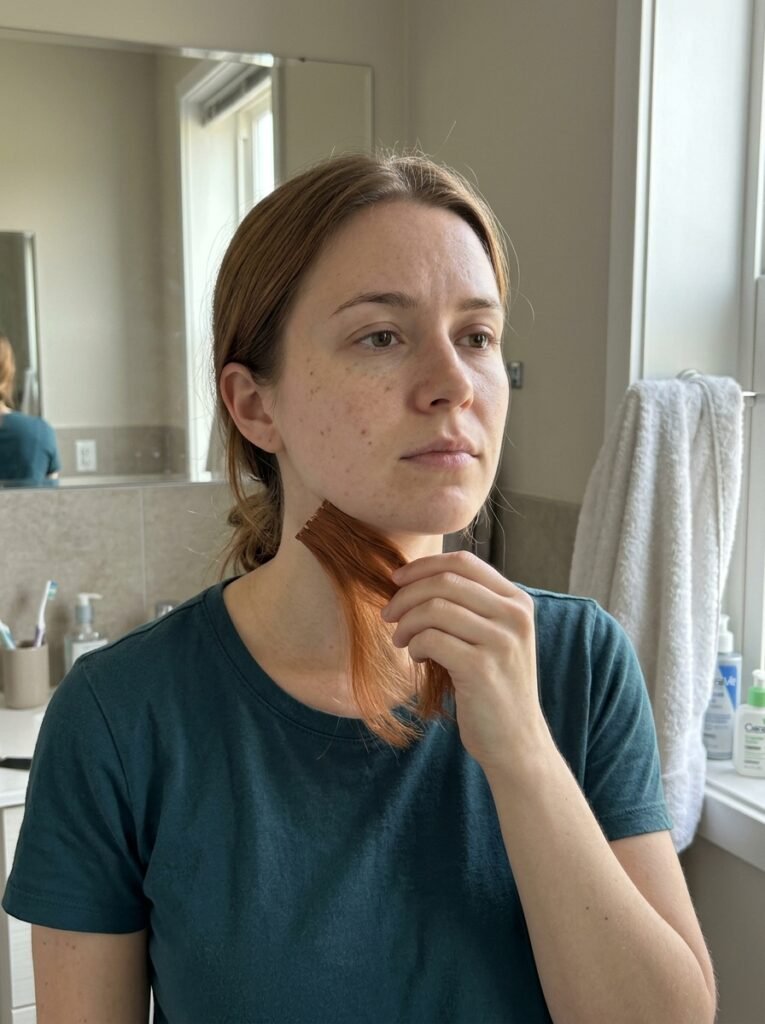
Common Mistakes People Make With Copper Hair Color
Even with good intentions, a few recurring mistakes show up when people choose copper hair color without fully considering their skin tone.
Choosing a shade based on a photo alone. A copper shade that looks incredible on someone else’s skin tone might not translate the same way onto your own complexion, especially if your undertones differ significantly.
Going too vivid too fast for cool undertones. While cool undertones can absolutely wear copper, an extremely bright, vivid copper can sometimes feel more jarring against cool skin than a slightly muted version of the same color family.
Not accounting for how copper fades. Copper tends to fade toward orange or brassy tones over time, which can shift how it interacts with your skin tone. Planning for touch ups and toning helps maintain the intended look.
Skipping a professional consultation. Copper often requires specific formulation and sometimes pre lightening to achieve properly, and DIY attempts without this expertise can lead to uneven or unexpected results.
Ignoring how copper interacts with existing red tones in the skin. People with visible redness in their complexion sometimes find that certain copper shades emphasize this redness rather than complementing it, which is worth discussing with a colorist beforehand.
Maintaining Copper Hair Color Once You Commit
Copper is known for being one of the more high maintenance hair colors, primarily because it tends to fade faster than cooler toned colors.

Use Color Depositing Products
Color depositing shampoos and conditioners formulated specifically for copper or red tones help refresh the color gradually between salon visits, slowing down the fading process significantly.
Wash With Cool Water
Just like with other vibrant hair colors, hot water accelerates fading by opening the hair cuticle more aggressively than cool water does.
Protect From Sun Exposure
Copper tones are particularly susceptible to fading and dulling from UV exposure, making UV protectant sprays or hats especially useful during sunny months.
Schedule Regular Toning Appointments
Because copper naturally shifts toward brassier or more orange tones as it fades, many people schedule toning appointments every four to six weeks to keep the color looking fresh and intentional rather than faded.
Expert Insight: Undertone Match Matters More Than Trend
A common mistake people make is choosing a copper shade purely because it’s trending, without considering how it interacts with their specific undertone. Experienced colorists often emphasize that a well matched copper, even a more subtle or muted version, will almost always look more flattering than a trendy, vivid copper that clashes with someone’s natural skin tone.
This is why an in person consultation, ideally with swatches held directly against your skin in natural light, tends to produce far better results than choosing a color solely from an online photo. Undertone matching isn’t about limiting your options. It’s about finding the specific version of copper that will make your complexion look its healthiest and most radiant, rather than working against it.
Practical Tips Before Choosing Copper Hair Color
A few simple steps make the decision process much easier and help you walk into your appointment with more confidence.
Determine your undertone using the vein test, jewelry test, or white paper test before your consultation. Bring multiple reference photos showing different copper shades, from muted to vivid, so your colorist can gauge your preferences. Ask your colorist to hold color swatches directly against your skin in natural light before finalizing your shade. Consider starting with a semi permanent gloss if you’re unsure, since it offers a lower commitment way to test the color. Plan for the maintenance copper requires, including toning appointments and color depositing products, before committing to the color long term.
Frequently Asked Questions
How do I know if copper hair color will suit my skin tone?
Determining your undertone through methods like the vein test or jewelry test is the best starting point, since warm undertones generally pair well with vivid copper, while cool undertones often look better with more muted copper shades.
Can people with cool undertones wear copper hair color?
Yes, though muted copper tones with subtle brown or berry undertones tend to work better for cool undertones than extremely bright, vivid copper shades.
Does copper hair color fade quickly?
Yes, copper tends to fade faster than many other hair colors due to the size of red and orange pigment molecules, making regular toning and color depositing products especially important.
What eye colors pair best with copper hair?
Green and hazel eyes are often enhanced beautifully by copper tones, though blue and gray eyes can also create a striking, flattering contrast with copper hair.
Is copper hair color high maintenance?
Generally yes. Copper requires more frequent toning and touch ups compared to cooler or more neutral hair colors, since it fades and shifts tone relatively quickly.
Should I go lighter or darker copper based on my skin tone?
Fair skin often pairs well with softer, golden coppers, while deeper skin tones can carry richer, more vivid copper shades particularly well, though undertone still plays the biggest role in the final decision.
Conclusion
Copper hair color can be absolutely stunning, but getting the shade right really does start with understanding your own skin tone. Once you know whether you lean warm, cool, or neutral, choosing a copper shade becomes a much more confident, informed decision rather than a guessing game.
Whether you’re drawn to a bold, vivid copper or a softer, more muted version, there’s likely a shade within the copper family that can work beautifully with your complexion. Take the time to test your undertone, consult with an experienced colorist, and plan for the maintenance copper requires, and you’ll be far more likely to walk away with a color that feels like it was made specifically for you.