Warm or Cool? Finding the Hair Color That Flatters Your Skin Tone
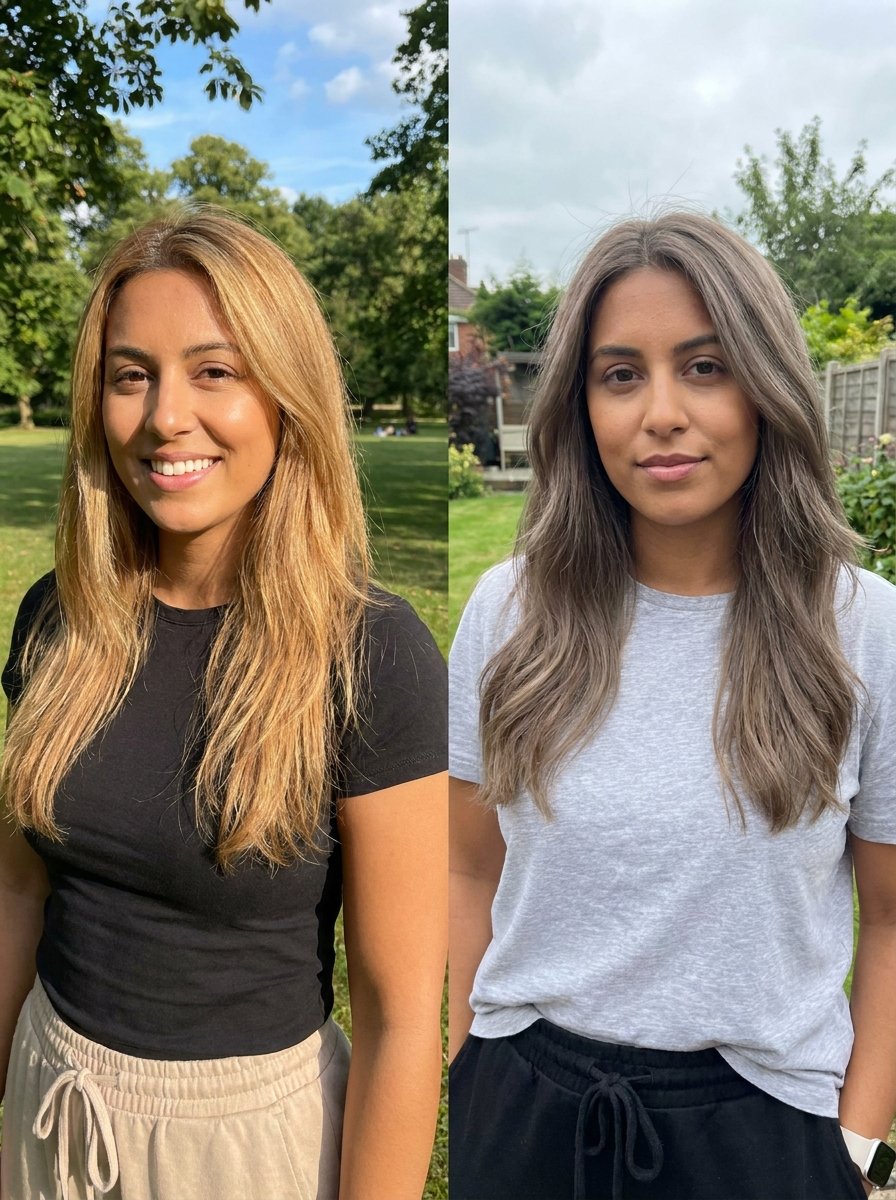
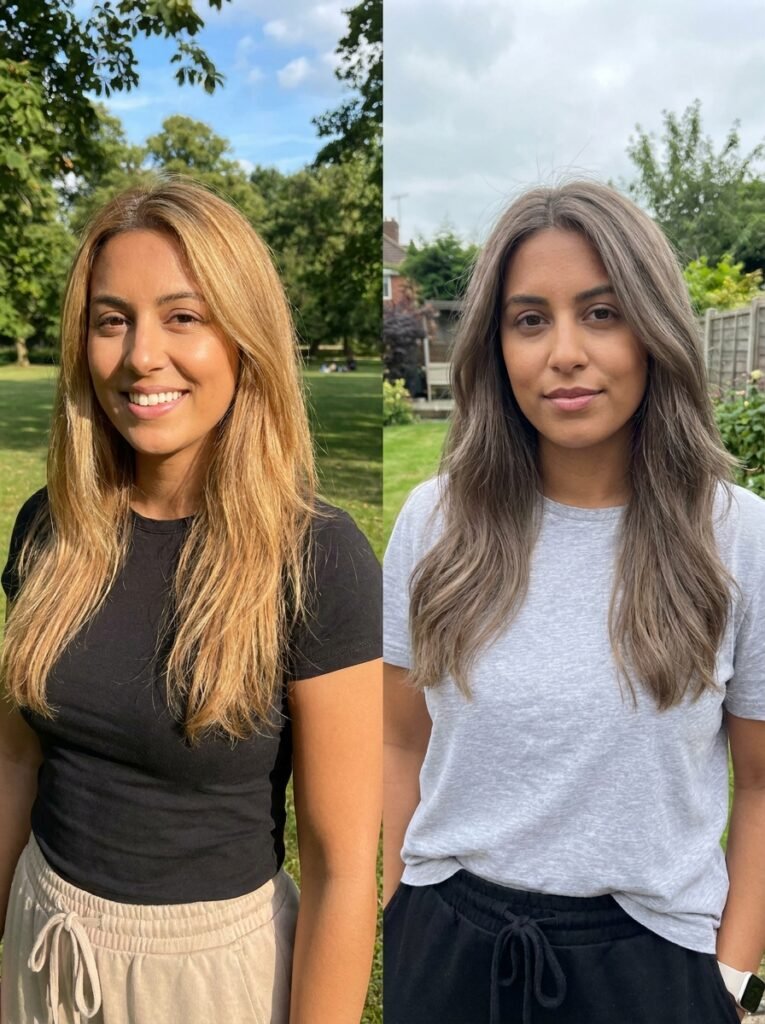
You have seen it happen. Your friend goes golden caramel and suddenly glows like she has been on holiday for a month. You try the exact same shade, sitting in the same salon chair, and somehow come out looking tired, washed out, and vaguely unwell.
The color was not the problem. The match was. Hair color does not sit on your head in isolation. It sits an inch from your face, reflecting onto your skin all day long, and whether it flatters you or fights you comes down almost entirely to one thing most of us were never taught to check. Your undertone.
This guide fixes that for good. You will learn the difference between skin tone and undertone, the quick tests that reveal yours at home, the shades that will genuinely make your skin glow, and the classic mistakes that leave beautiful color looking strangely wrong.

Why the Right Hair Color Is About Tone, Not Shade
Most people shop for hair color by shade. Blonde or brunette, light or dark, subtle or dramatic. Colorists think in a completely different dimension, and it is the one that actually decides whether a color suits you. Temperature.
Every hair color leans warm, cool, or neutral. Warm shades carry gold, copper, honey, and red. Cool shades carry ash, beige, violet, and blue. That temperature interacts with the natural tones in your skin every hour of every day, either harmonizing with them or clashing against them.
When the temperatures harmonize, your skin looks brighter, more even, and healthier, and people compliment your face as often as your hair. When they clash, skin can read sallow, ruddy, or gray, and no amount of makeup quite fixes it.
This is why the same balayage looks radiant on one woman and draining on another. Same shade, different undertones. Get the temperature right and almost any depth of color becomes wearable.

Skin Tone vs Undertone: The Difference That Changes Everything
These two terms get blended together constantly, so here is the clean separation.
Skin tone is the surface. Fair, light, medium, olive, tan, deep. It is what you would name if someone asked about your complexion, and it shifts with the seasons, deepening in summer and lightening in winter.
Undertone is the hue beneath the surface, and it never changes, not with sun, not with age, not with skincare. Warm undertones glow golden, peachy, or yellow. Cool undertones carry pink, red, or blue. Neutral undertones balance both without leaning clearly either way.
Here is the part that matters most. Undertones exist across every skin depth. Fair skin can be warm, deep skin can be cool, olive skin often runs neutral with a cool lean, and every combination in between exists. So the question is never what color suits fair skin or deep skin. It is what temperature suits your undertone, whatever depth it happens to live in.
How to Find Your Undertone at Home
You do not need a professional analysis. Three quick tests, done in natural daylight near a window, will tell you almost everything.
- The vein test. Look at the veins on the inside of your wrist. If they appear greenish, you are warm. If they look blue or purple, you are cool. If you honestly see a mix of both, welcome to neutral.
- The jewelry test. Hold gold jewelry against your bare face, then silver. Warm undertones light up next to gold, cool undertones look fresher against silver, and neutrals genuinely suit both.
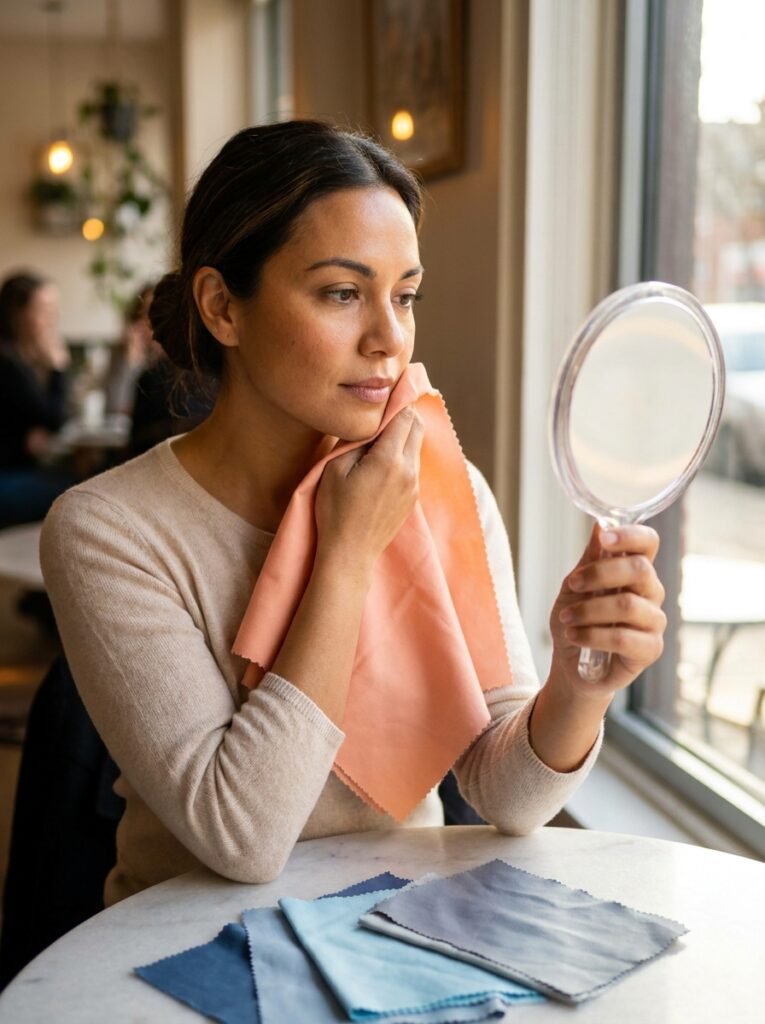
- The white test. Hold a pure white shirt under your chin, then a cream or off-white one. Pure white flatters cool undertones, while cream softens beautifully against warm ones.
A fourth clue, less reliable but worth noting, is your sun behavior. Skin that tans easily and rarely burns often leans warm, while skin that burns quickly frequently leans cool, though there are plenty of exceptions, so never use this test alone.
If two of the three main tests agree, trust the verdict. If all three disagree, congratulations, you are almost certainly neutral, which is the most flexible result of all. Write your answer down, because everything that follows depends on it.
The Best Hair Colors for Your Undertone
With your undertone confirmed, here is your personal shade family. The guiding rule is beautifully simple. Match the temperature of your hair to the temperature of your skin.
If You Have Warm Undertones
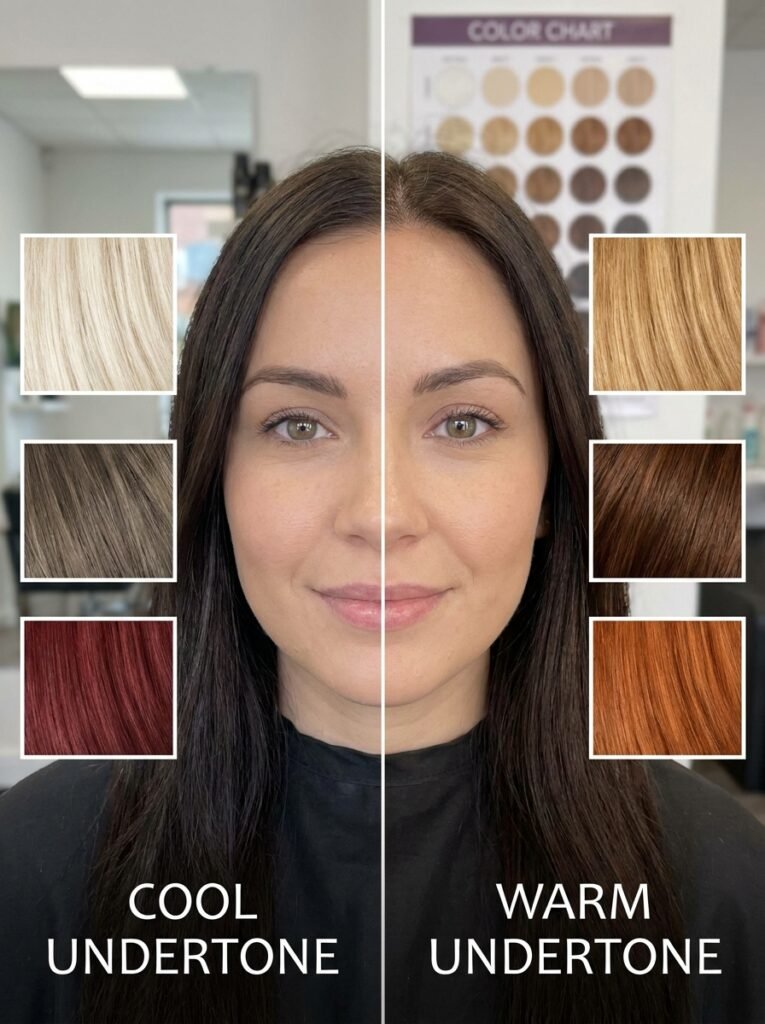
Warm undertones glow next to colors with gold and copper woven through them. For blondes, that means golden blonde, honey, butterscotch, and warm caramel rather than icy platinum. Brunettes shine in golden brown, chestnut, warm chocolate, and rich toffee balayage. And warm undertones are the natural home of red, from soft strawberry through copper to deep auburn, shades that can look costume-like on cool skin but completely believable on yours.
The tones to approach carefully are the ashiest ones. Icy platinum, silvery blonde, and mushroom brown can pull warm skin sallow and flat, draining the golden glow that is your best feature. If you love a cooler look, ask your colorist for a neutral beige version instead of full ash, which keeps the modern feel without the clash.

If You Have Cool Undertones
Cool undertones come alive next to ash, beige, and blue-based shades. Blondes look stunning in ash blonde, icy platinum, champagne, and cool beige. Brunettes suit mushroom brown, cool espresso, and glossy blue-black, all of which make cool skin look clear and luminous rather than flushed. For something bolder, burgundy, plum, and cherry-toned reds carry the blue base that harmonizes with you, where orange-based coppers would not.
Your caution list is the golden family. Heavily warm honey, brassy caramel, and orange-leaning shades can amplify any pink or redness in cool skin and leave the whole face looking overheated. Brassiness is also your natural enemy as color fades, so a violet or blue toning shampoo deserves a permanent spot in your shower.
If You Have Neutral Undertones
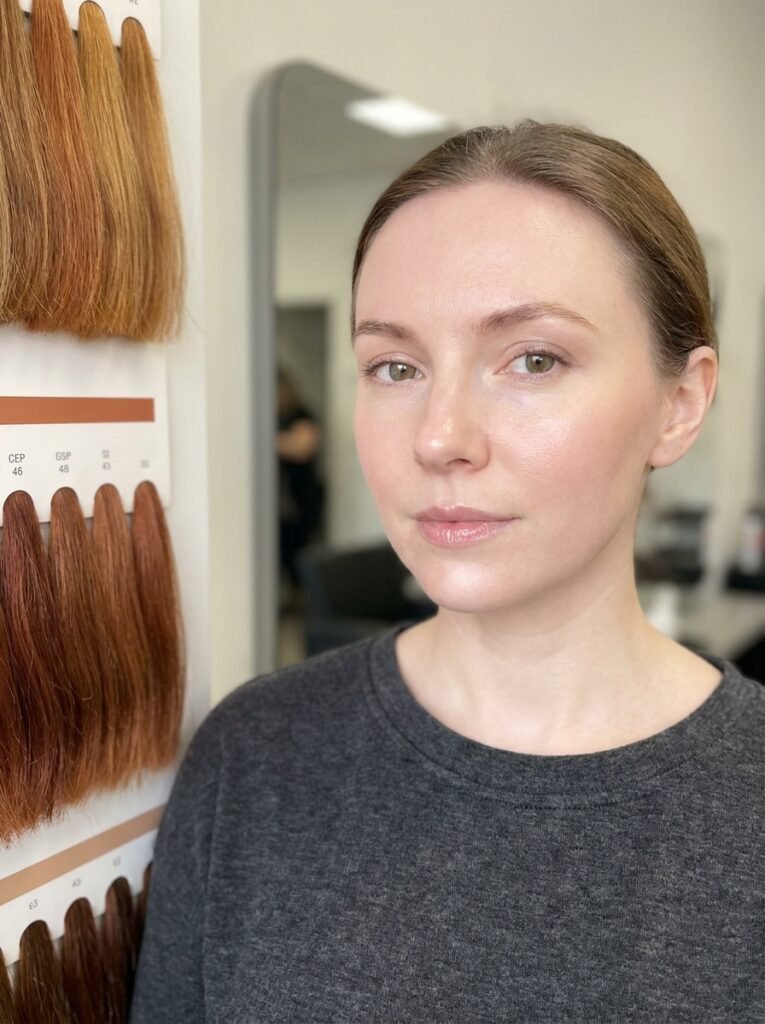
Neutral undertones are the lottery winners of hair color, because both temperature families genuinely work. Beige blonde, bronde, soft golden brown, cool chocolate, rich chestnut, even a careful platinum, all of it sits comfortably against balanced skin.
Since undertone will not narrow your choices, let other features vote. Warmer shades tend to bring out golden flecks in hazel or brown eyes, while cooler shades sharpen blue, green, and gray eyes. Your maintenance appetite matters too, since cool shades usually demand more toning upkeep than warm ones.
The one guideline worth keeping is balance. Extremely warm or extremely cool colors can tip your naturally even complexion in one direction, so the softly neutral version of any shade will always be your most effortless match.
How Light or Dark Should You Go
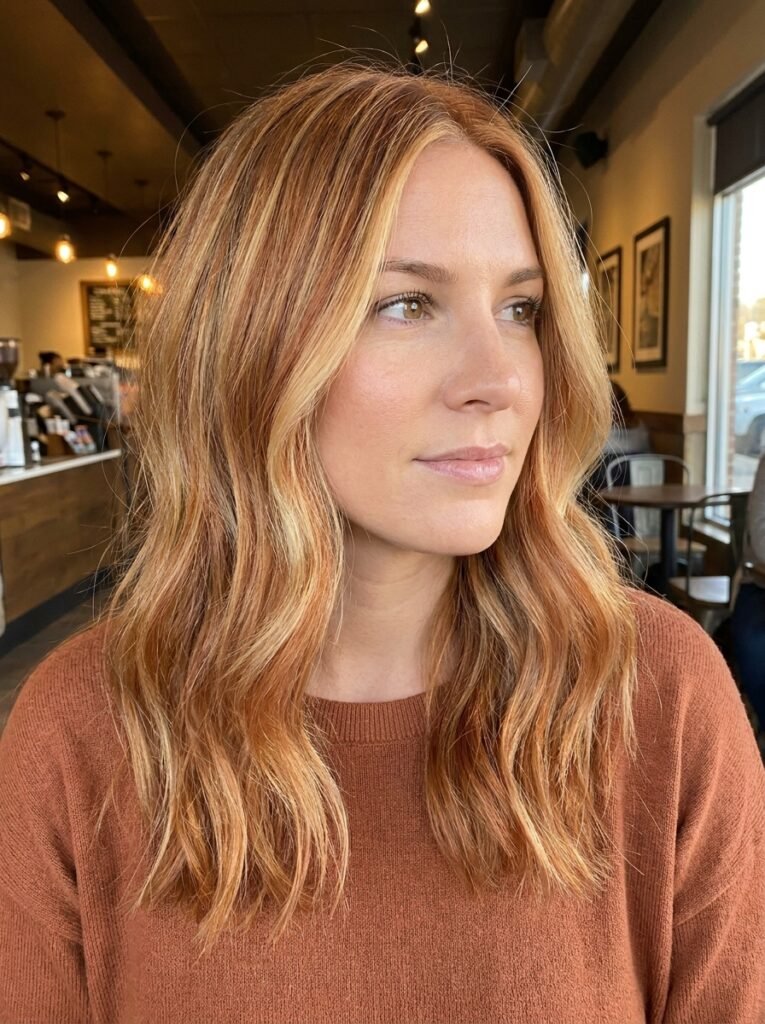
Undertone chooses your shade family. Depth decides how light or dark you go within it, and two honest principles will guide you well.
The first is the two-shade rule. Staying within roughly two shades of your natural color, lighter or darker, almost always flatters, because your natural shade evolved alongside your skin, brows, and lashes. It also keeps regrowth soft and maintenance sane.
The second is contrast awareness. The gap between your hair depth and your skin depth sets the drama level of your whole look. Fair skin with dark espresso hair is a bold, high-contrast statement that suits some people beautifully and overwhelms others. Deep skin with pale blonde is equally striking and equally demanding, requiring meticulous toning to stay flattering. Neither is wrong. They are commitments, not defaults.
If you are unsure, change temperature before you change depth. A warm gloss over your natural brown, or an ash rinse through existing blonde, transforms how your skin reads without touching your maintenance schedule. Depth can always come later, one confident step at a time.

How to Talk to Your Colorist About Undertones
The consultation goes from good to great the moment you start speaking in temperature.
Open with your undertone if you know it, and say the actual words warm, cool, or neutral. Then describe your goal the same way. Asking for a cool ash brown or a warm golden blonde tells your colorist infinitely more than asking for light brown ever could.
Bring photos, and be picky about them. Choose pictures where the model’s skin looks similar in depth and undertone to yours, because a shade photographed on opposite coloring is a recipe for surprise.
Mention your history with brassiness or ashiness, since past color behavior predicts future behavior. And ask the golden question before anything gets mixed. What will this fade to in six weeks? Fresh color is easy. A colorist who plans the fade is the one worth keeping.
Practical Tips Before You Color
A few low-cost experiments protect you from an expensive mismatch.
- Try virtual hair color apps or filters in natural daylight, paying attention to your skin rather than the hair itself.
- Drape a scarf or shirt in your target color family next to your bare face. Fabric predicts hair surprisingly well.
- Look in your wardrobe. The colors you always get complimented in usually share one temperature, and that temperature is a giant clue.
- Ask for a gloss or demi-permanent version of a new tone first. It fades out within weeks if the match turns out wrong.
- Judge every result in daylight near a window, never under yellow bathroom bulbs that warm everything falsely.
Small tests first, full commitment second. Your colorist will thank you for it.
Common Mistakes That Make Hair Color Clash with Skin
The same handful of errors cause almost every off-looking color.
Copying a shade from someone with opposite undertones is the classic. The color was never wrong. It was simply calibrated for different skin.
Confusing depth with temperature comes next. People often say a color is too dark when the real problem is that it is too warm or too cool. Before going lighter, ask whether shifting the tone would solve it instead.
Ignoring the fade is another. Warm shades fade brassier and cool shades fade duller, so a color that matched perfectly in week one can drift into clash territory by week six without a toning plan.
Forgetting the brows is quietly common too. Hair several temperature steps away from your eyebrows reads as disconnected, so dramatic tone changes deserve a brow conversation at the same appointment.
And judging under artificial light fools everyone. Warm indoor bulbs flatter warm tones and distort cool ones, so the mirror by the window is the only mirror that tells the truth.
What Colorists Wish Every Client Knew About Skin Tone
Ask experienced colorists about skin tone and their answers rhyme.
Undertone beats trend, every single time. A trending shade adjusted to your temperature will always outperform the exact viral color copied strand for strand.
Toner is where the magic lives. The difference between a golden blonde and an ash blonde is often just the final toning step, which is why skipping it undoes everything that came before.
Small shifts create big changes. Moving a brown half a step warmer or cooler can brighten a complexion more than three levels of lightening ever would.
Skin depth deserves respect alongside undertone. The most flattering results consider both how warm or cool you are and how much contrast your features can comfortably carry.
And rules bend for joy. If a technically wrong color makes you feel completely yourself, a good colorist will find the version of it that works. That is the entire craft.
Frequently Asked Questions
How do I know if my skin has warm or cool undertones?
Check your wrist veins in daylight. Greenish veins suggest warm undertones, blue or purple suggest cool, and a visible mix means neutral. Confirm with the jewelry test, since warm skin glows next to gold while cool skin looks fresher against silver.
What hair color makes skin look brighter?
The shade that matches your undertone, worn with a little brightness near the face. Warm skin glows with golden and caramel tones, cool skin brightens with ash and beige, and face-framing highlights in the right temperature lift almost any complexion.
Can I wear a hair color that does not match my undertone?
Yes, with adjustments. A skilled colorist can shift an opposite-temperature shade toward neutral, add balancing lowlights, or fine-tune the toner so it stops fighting your skin. You rarely have to give up a dream color, just the uncalibrated version of it.
What is the most universally flattering hair color?
A soft, dimensional neutral brunette or bronde is the closest thing to universal, because it sits between warm and cool and harmonizes with nearly every undertone. Its balance of depth and brightness also flatters across all skin depths.
Do skin tone rules apply to fantasy hair colors?
Completely. Peach, coral, and warm copper-pinks flatter warm undertones, while icy blue, violet, and cool bubblegum pink suit cool undertones. Matching temperature is exactly why one person’s pastel looks luminous and another’s looks washed out.
Final Thoughts
Choosing a hair color that flatters your skin tone was never about limiting yourself to a short list. It is about learning one piece of information, your undertone, and letting it quietly guide every color decision you make from now on.
Run the wrist, jewelry, and white shirt tests this week. Note your verdict, browse your shade family, and walk into your next appointment speaking the language of warm and cool. Then watch what happens, because the right temperature does something no expensive treatment can. It makes your skin look brighter, your eyes clearer, and your whole face more awake.
The perfect hair color was never hiding in a trend or a celebrity photo. It was written into your skin all along. Now you finally know how to read it.