
Long Hair Without the Hassle: Care and Cutting Tips That Keep It Light
I grew my hair out for almost three years once, mostly out of stubbornness. I wanted to see how long it would actually go if I just left it alone. By year two, it reached the middle of my back and looked great in photos. In real life, it was a different story. Washing it took forever, it tangled every single night, and it sat on my shoulders like a heavy wet towel half the time.
That’s the part nobody warns you about. Long hair looks effortless in pictures, but keeping it from feeling like a chore is a whole separate skill. The good news is that it’s not about some secret product or an expensive salon ritual. It’s mostly small habits and one or two smart cutting choices that make a huge difference.
If you’re dealing with hair that feels heavy, tangled, or just exhausting to deal with, this is everything I wish someone had told me earlier.
Why Long Hair Starts to Feel Like a Burden
Long hair doesn’t get heavy overnight. It creeps up on you.
At first it’s just a little more time in the shower. Then it’s more product because your ends feel dry no matter what. Then one day you’re standing in front of the mirror wondering why your hair looks flat on top and bulky everywhere else.
A few things are usually going on at the same time:
- The weight of the length is pulling everything straight down, so there’s no bounce left
- Product and natural oils build up faster because there’s simply more surface area
- Split ends travel upward over time, making hair feel rough even near the roots
- One blunt length with no shape gives hair nowhere to move
None of this means long hair is a bad idea. It just means it needs a slightly different approach than what worked when your hair was shorter.

Quick Wins Before You Change Anything Else
Before we get into the bigger stuff, here are a few small swaps that make an almost immediate difference. I noticed a change within about two weeks of doing these.
- Switch to a microfiber towel or an old cotton t-shirt instead of a regular towel to dry your hair
- Brush from the ends upward instead of dragging a brush from your scalp all the way down
- Sleep on a silk or satin pillowcase, or loosely braid your hair before bed
- Skip a daily wash and stretch it to every two or three days if your scalp allows it
- Apply conditioner mid-shaft to ends only, never at the roots
None of these cost much, and you can start today. They won’t fix everything on their own, but they take a lot of the daily friction out of the equation.

The Cut Matters More Than People Think
Here’s something I learned the hard way. I used to believe that trimming hair meant losing length, so I avoided it completely. That backfired. My ends got so damaged that I eventually had to cut off more than I would have lost with regular small trims.
A good cut isn’t about sacrificing length. It’s about giving your hair shape so it doesn’t sit like a single heavy slab.
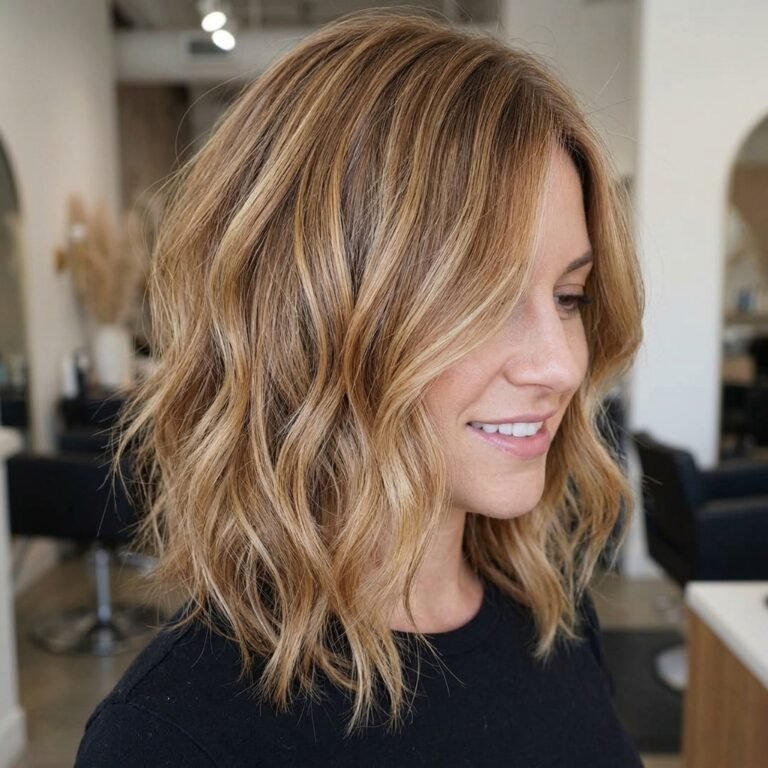
Layers are your friend, even subtle ones. You don’t need choppy, dramatic layers to lighten things up. Long layers that start below the chin can remove bulk without shortening your overall length in any noticeable way. If you’ve ever wondered why some people’s long hair seems to move and swing while others look stiff, layering is usually the answer.
Face-framing pieces help more than you’d expect. A few shorter strands around your face soften things and give you movement near the areas that show the most.
Blunt ends aren’t always the enemy. For thick hair, a blunt cut with internal layering can actually look fuller and healthier than heavily layered styles. It depends a lot on your hair type, so this is one of those things worth discussing honestly with your stylist rather than just requesting whatever look you saw online.
If you like the idea of long hair with real movement rather than one flat sheet, it’s worth checking out everything you need to know about the butterfly haircut, a style built specifically to keep length while adding lift and swing. It’s a good reference point to bring to your stylist even if you don’t want the exact look.

How Often You Should Actually Trim
This one trips people up constantly. The common advice is every six to eight weeks, but honestly, that’s more of a general guideline than a rule carved in stone.
If your hair is healthy, not overly processed, and you’re taking decent care of it, you can often stretch trims to every ten to twelve weeks. If you color your hair, use heat tools often, or your ends are visibly splitting, sticking closer to the six to eight week range will save you from bigger cuts down the line.
A simple trick: twist a small section of hair at the ends. If you see little white or light-colored dots sticking out, those are split ends, and it’s time for a trim regardless of how long it’s been.

Everyday Habits That Keep Long Hair Feeling Lighter
Cutting is only half the equation. What you do between salon visits matters just as much, maybe more.

Washing Smarter, Not More Often
Washing every single day strips natural oils and can actually make your scalp overproduce oil to compensate. Most people with long hair do better washing two to three times a week. Dry shampoo can bridge the gap on off days, just don’t overdo it since buildup at the roots can weigh hair down too.
Conditioner Placement Is Everything
This sounds small but it changes a lot. Applying conditioner at your roots makes hair greasy fast and adds nothing useful, since your scalp already produces its own oil. Focus conditioner from your ears down to your ends, where hair is oldest and driest.
Detangling Before, Not After, Washing
Wet hair stretches and breaks more easily than dry hair. Run a wide-tooth comb through your hair before you even get in the shower. It saves you from aggressive detangling later when your hair is at its most fragile.
Give Your Hair Breaks From Heat
I’m not going to tell you to never use a straightener or curling iron again, because that’s not realistic for most people. But rotating in a few heat-free days each week, and always using a heat protectant when you do style, makes a noticeable difference in how healthy your ends look over time.
Protective Styles Aren’t Just for Special Occasions
Loose braids, low buns, and twists aren’t only for keeping hair out of your face. They reduce friction against clothing, prevent tangling, and protect your ends from constant rubbing. Wearing your hair down every single day, especially in wind or against rough fabric, wears it out faster than most people realize.
Don’t Skip the Scalp Massage
This one feels almost too simple to matter, but a couple of minutes of scalp massage while shampooing helps loosen product buildup and gets circulation going. Some people swear it helps with growth, and while the evidence on that is mixed, it definitely feels good and leaves your scalp cleaner without needing to scrub harder or wash more often. Use your fingertips, not your nails, and work in small circles from the front of your head back.
What You Eat Shows Up in Your Hair Eventually
Diet isn’t the flashiest topic in a hair care post, but it plays a real role in how strong and resilient long hair feels over time. Hair that keeps breaking despite a solid routine sometimes points to gaps in protein or iron rather than anything you’re doing wrong on the outside. You don’t necessarily need supplements for this, just a reasonably balanced diet with enough protein and healthy fats tends to show up in how hair holds up over months, not days.
A Quick Story That Might Sound Familiar
A friend of mine, let’s call her Amara, had hair down past her waist for years. She loved the length but complained constantly about how heavy and lifeless it looked. She was washing daily, using a regular towel, and hadn’t had a trim in over a year because she was terrified of losing an inch.
We talked her into three small changes: switching to washing every other day, adding long layers starting around her collarbone, and switching to a silk pillowcase. Within a month, her hair looked noticeably different in photos, more bounce, less flat weight. She didn’t lose any real length either, since layering redistributes bulk rather than cutting off the bottom.
Her exact words were something like, “I didn’t realize my hair could actually move like that.” That stuck with me because it’s such a common experience. People assume long hair has to look heavy and flat, when really it’s often just missing shape.
Common Mistakes That Make Long Hair Harder to Manage
A few habits show up again and again when long hair feels unmanageable.
- Avoiding trims completely. This almost always backfires and leads to bigger chops later.
- Brushing hair when it’s soaking wet with a regular brush. Wet hair needs a wide-tooth comb or a detangling brush, not your usual paddle brush.
- Using too much heavy product. Rich oils and butters can weigh long hair down fast, especially near the roots. A little goes further than you’d think.
- Tight ponytails and buns every day. These pull at the hairline and can cause breakage right at the part where tension builds up.
- Ignoring your scalp. People focus so much on the length that they forget the scalp is where healthy hair actually starts. A build-up of product or oil at the roots affects everything below it.
- Skipping regular deep conditioning. Long hair, especially the older ends, needs more moisture support than shorter styles.
If even two or three of these sound familiar, that’s usually enough to explain why your hair feels harder to manage than it should.
Styling Tricks That Reduce Daily Effort
You don’t need an elaborate routine every morning. A few tricks make styling long hair faster without extra tools or products.
Try a loose, low ponytail wrapped with a small section of your own hair instead of visible hair ties, it looks more polished with almost zero extra effort. A simple half-up style keeps hair off your face during the day while still showing off length. And if you’re short on time, a quick braid gives you texture later without any heat at all.
Dry brushing your hair before bed, just a few strokes with a boar bristle brush, helps redistribute natural oils from your scalp down to your ends. It sounds old-fashioned, but it genuinely reduces how greasy roots get between washes.
Frequently Asked Questions
Does cutting hair really make it grow faster? Not exactly. Trims don’t speed up growth from the scalp, but they do prevent breakage and split ends from traveling upward, which means you retain more of the length you’re actually growing.
How do I know if my hair is too heavy or just needs layers? If your hair feels flat on top, lacks movement, or looks like one solid block regardless of styling, layering usually helps. If it’s more about dryness or roughness, the issue is likely more about moisture and less about the cut itself.
Is it bad to sleep with wet hair? It’s not ideal. Wet hair is more fragile and prone to tangling and breakage overnight. If you shower before bed, try to let hair air dry at least partially, or use a loose braid to keep things controlled while damp.
What’s the best way to detangle very long hair without pain? Start from the ends and work your way up in small sections, rather than starting at the roots. A leave-in conditioner or detangling spray also makes a big difference on dry or wet hair.
Can long hair be low maintenance at all? Yes, with the right cut and a few consistent habits. It won’t be zero effort, but it doesn’t have to feel like a second job either. Most of the difference comes from small daily choices rather than big overhauls.
How much length do I actually lose when I get layers? Usually very little, if any. Layering redistributes bulk within the hair rather than shortening the overall length the way a blunt cut does. Most people are surprised at how similar their length looks right after a good layering appointment.
Is long hair automatically harder to take care of than short hair? Not necessarily harder, just different. Short hair needs more frequent trims to keep its shape, while long hair needs more attention to moisture, detangling, and protecting the ends. Neither is objectively easier, it depends on what kind of upkeep you don’t mind doing.
Wrapping It Up
Long hair doesn’t have to mean constant upkeep or feeling weighed down every day. A big part of it comes down to trusting a good trim now and then, even when it feels counterintuitive, and building a few small habits into your routine that actually stick.
You don’t need to overhaul everything at once. Start with one or two changes, maybe switching your pillowcase or adjusting how often you wash, and build from there. Long hair can absolutely feel light, healthy, and easy to live with. It just needs a bit of shape and a little consistency, not a complicated routine.