Balayage vs Highlights: Which Hair Color Technique Is Right for You?
Sooner or later, every colorist asks the question. Balayage or highlights? And if you have ever nodded along while quietly having no idea what the difference actually is, you are in very good company. The two techniques get mentioned together so often that plenty of people assume they are the same thing with different price tags.
They are not. Balayage and highlights are applied differently, they look different as they grow, they age differently between appointments, and they suit different hair types, budgets, and lifestyles. Choosing the wrong one is how you end up locked into touch-ups you never wanted, or staring at a color that faded into something you never asked for.
This guide breaks both techniques down in plain language, compares them side by side, and helps you figure out exactly which one belongs on your head before you spend a single dollar in the chair.
What Is Balayage, Exactly
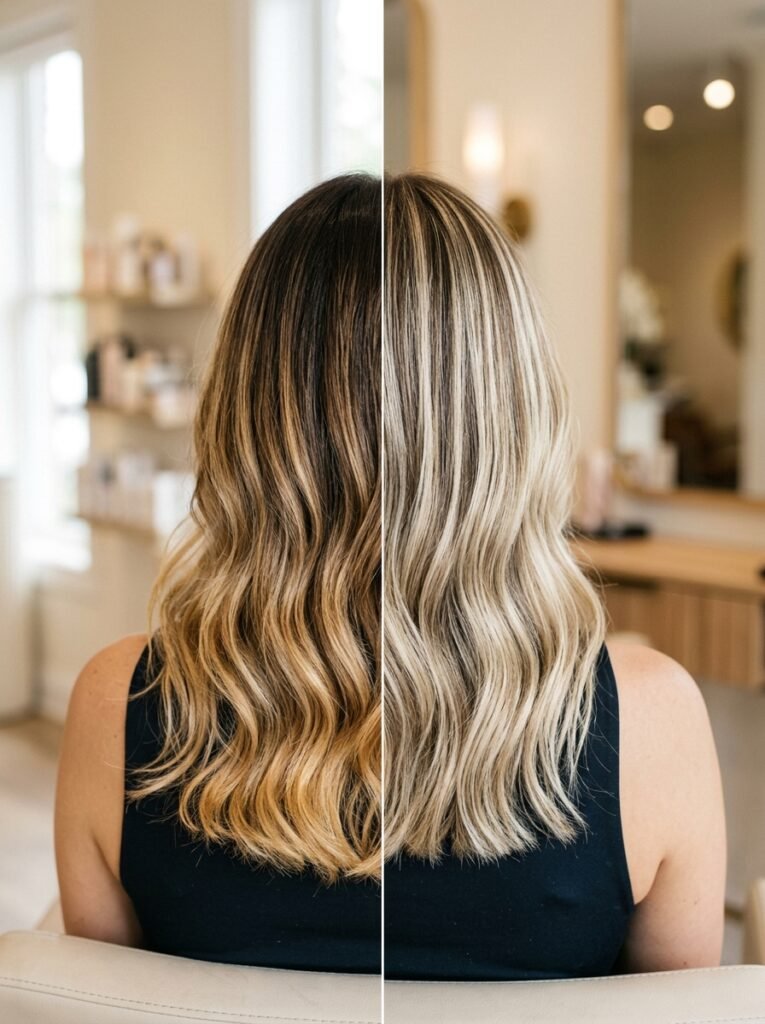
Balayage comes from the French word for sweeping, and that is precisely how it is done. Instead of separating hair into foils, your colorist hand paints lightener onto the surface of selected sections, sweeping it on with a brush in soft, freehand strokes. The color is concentrated through the mid-lengths and ends, often with brighter pieces placed around the face, while your roots stay mostly untouched.
The result is a gradual, sun-kissed effect that mimics the way hair naturally lightens after a summer outdoors. Because there is no hard line where the color begins, balayage grows out softly, without an obvious stripe of regrowth announcing that your appointment is overdue. Most balayage services finish with a toner or gloss, which is the step that turns raw lightened hair into the exact shade you asked for.
That forgiving grow-out is the reason balayage exploded in popularity. It flatters almost everyone, photographs beautifully, and lets you skip the salon for months without looking neglected. What it will not do is take dark hair dramatically lighter in a single sitting, and that matters more than most people realize.
What Are Traditional Highlights
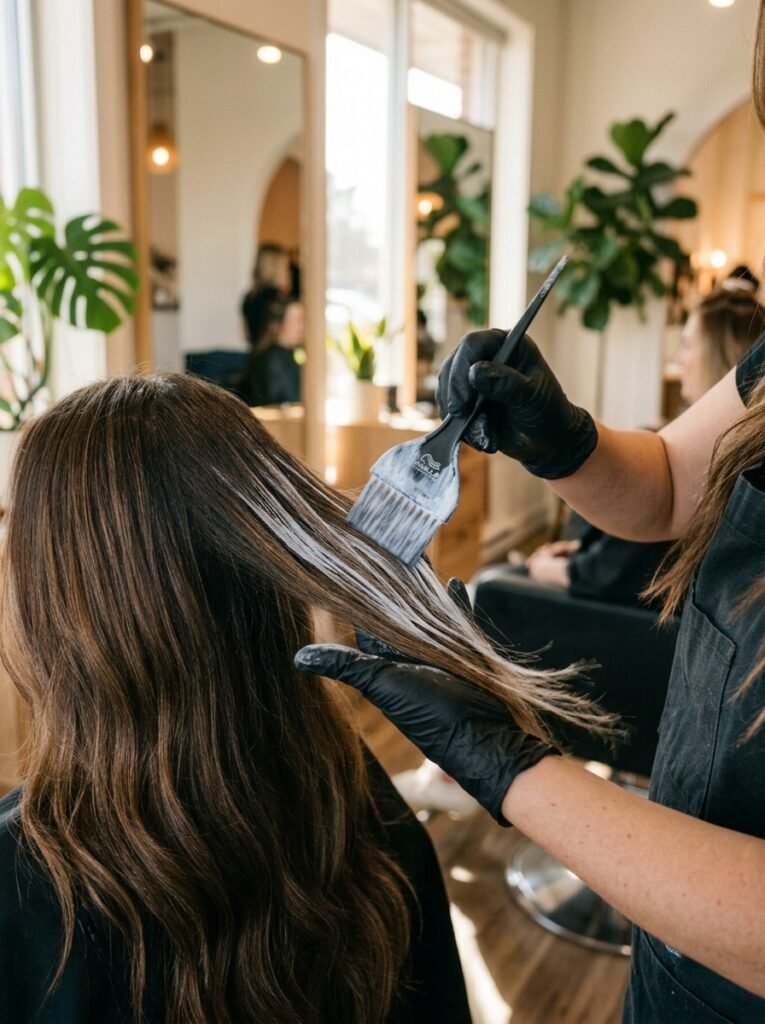
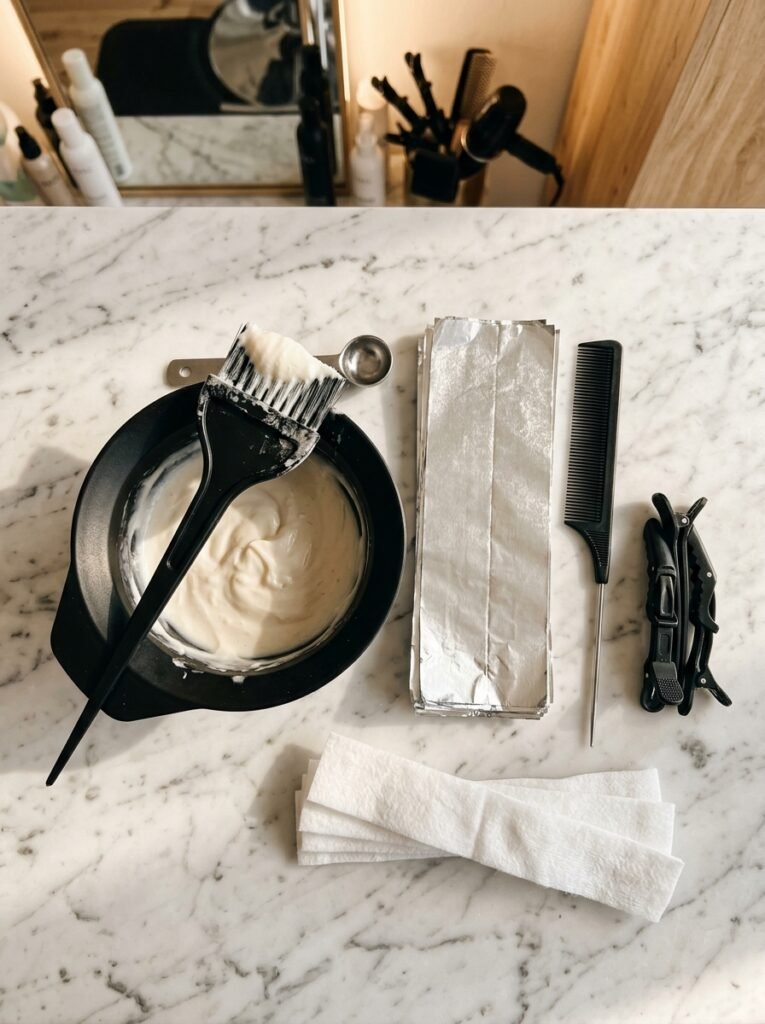
Traditional highlights are the foil technique most of us grew up seeing at the salon. Your colorist weaves or slices out fine sections of hair, saturates each one with lightener from root to tip, and wraps it in foil. The foil traps heat, which helps the lightener lift your natural color further and faster than open-air painting ever could.
The payoff is brightness and precision. Highlights deliver a more uniform, all-over lightness, they start right at the root, and they can shift your color several levels in one appointment. You can also scale them to your budget. A partial highlight brightens the top and sides where light naturally hits, while a full highlight weaves color through every section for maximum impact.
The trade-off is maintenance. Because highlighted strands are light from the root down, regrowth shows as a visible line within weeks. Most people with traditional foils are back in the chair every six to eight weeks to keep everything looking seamless.
Balayage vs Highlights: The Key Differences
On paper the two techniques sound similar. In practice, they differ in five ways that will shape your color, your calendar, and your budget.
How Each Technique Is Applied
Balayage is painted freehand onto the surface of the hair, usually without foils, so the lightener processes in the open air and lifts gently. Highlights are woven into foils and saturated from root to tip, and the trapped heat pushes the lightener to lift harder. Application is the root of every other difference. Painting gives softness and artistry, foils give power and precision. Some colorists blend the two by painting sections and then wrapping them, which is where foilyage comes from, but more on that shortly.
The Finished Look
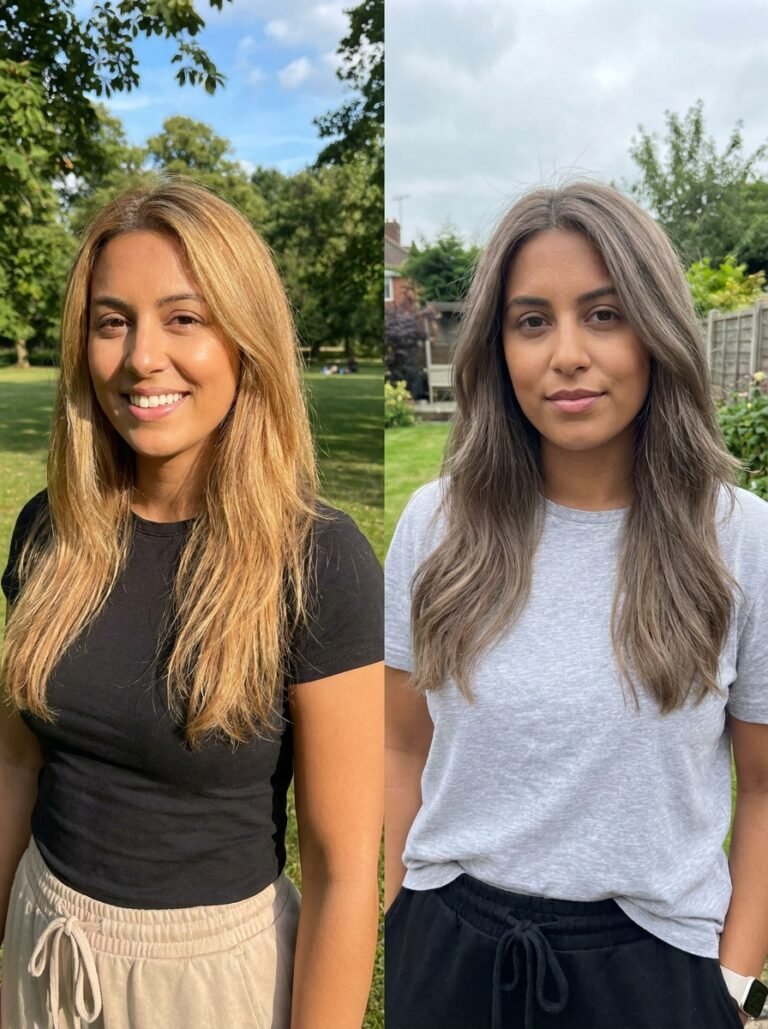
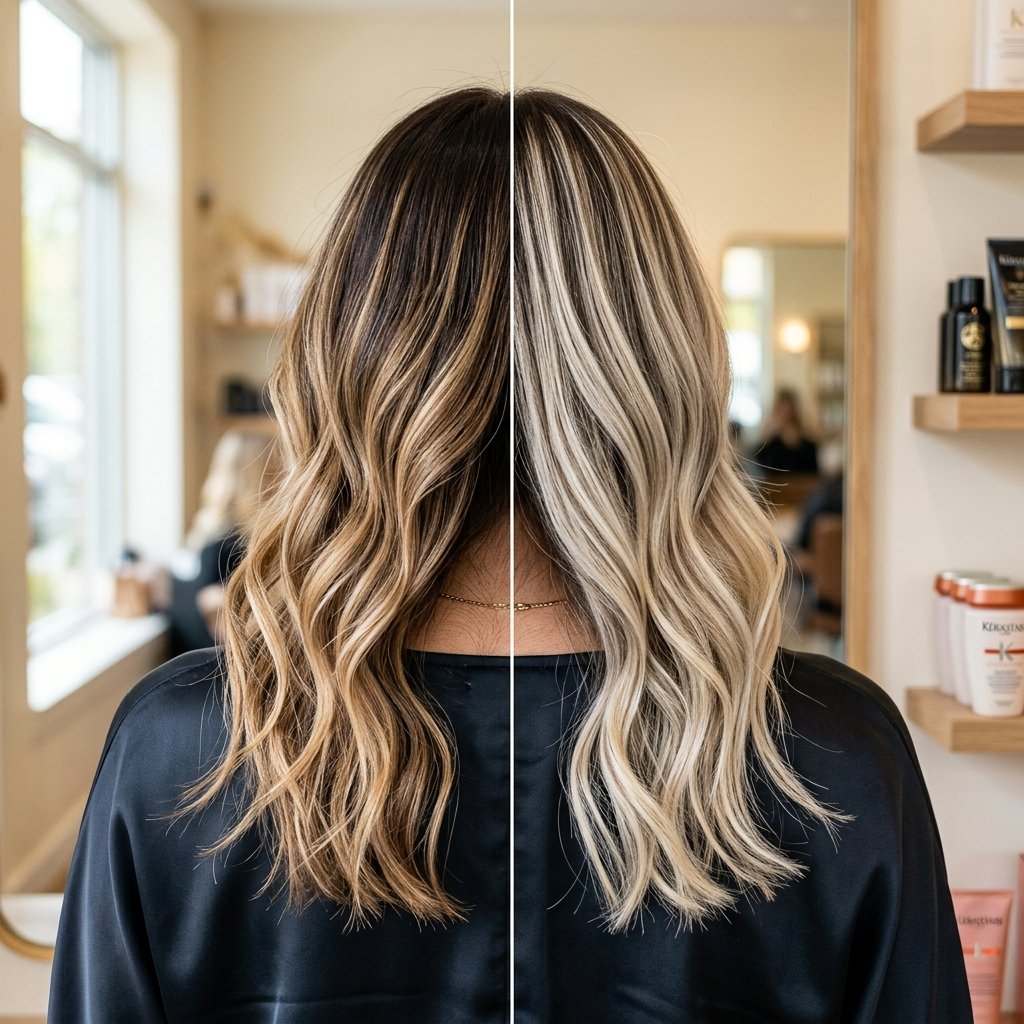
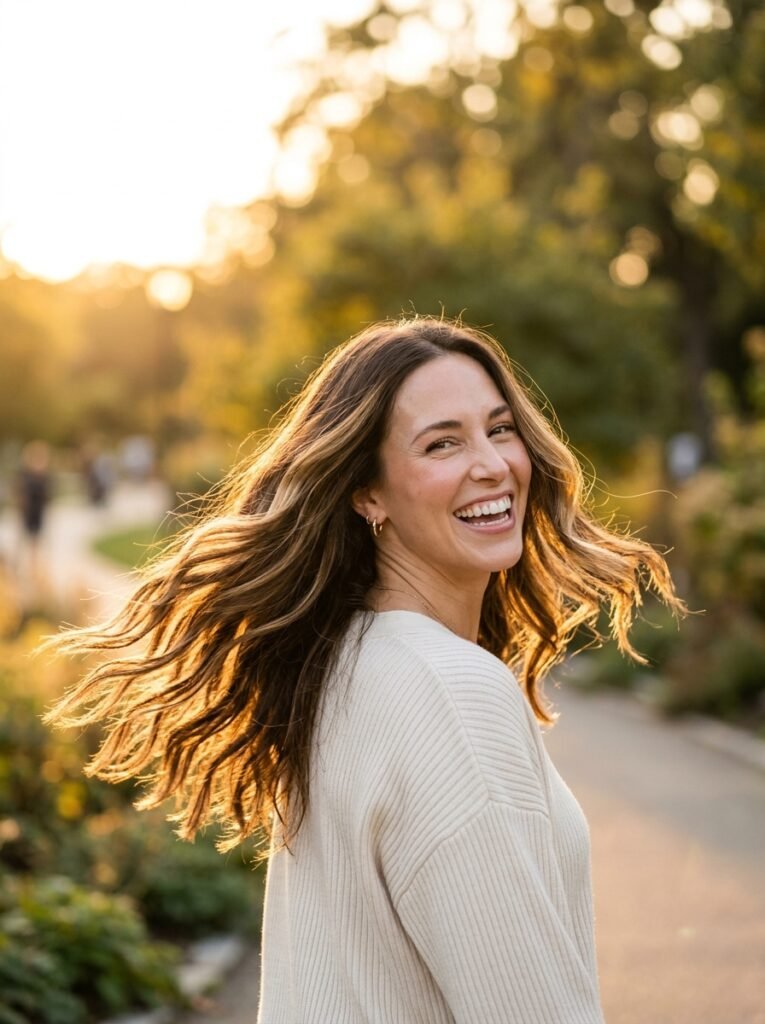
Fresh from the salon, highlights read brighter, more uniform, and more deliberate, with light woven evenly from roots through ends. Balayage reads softer and more lived-in, with depth deliberately left at the root melting into brightness below. Step into sunlight and the difference is obvious. Foils sparkle with contrast, while balayage glows with dimension. If you love a polished, all-over blonde effect, foils get you there. If you want people to wonder whether you were simply born with expensive-looking hair, balayage is the one.
Grow-Out and Maintenance
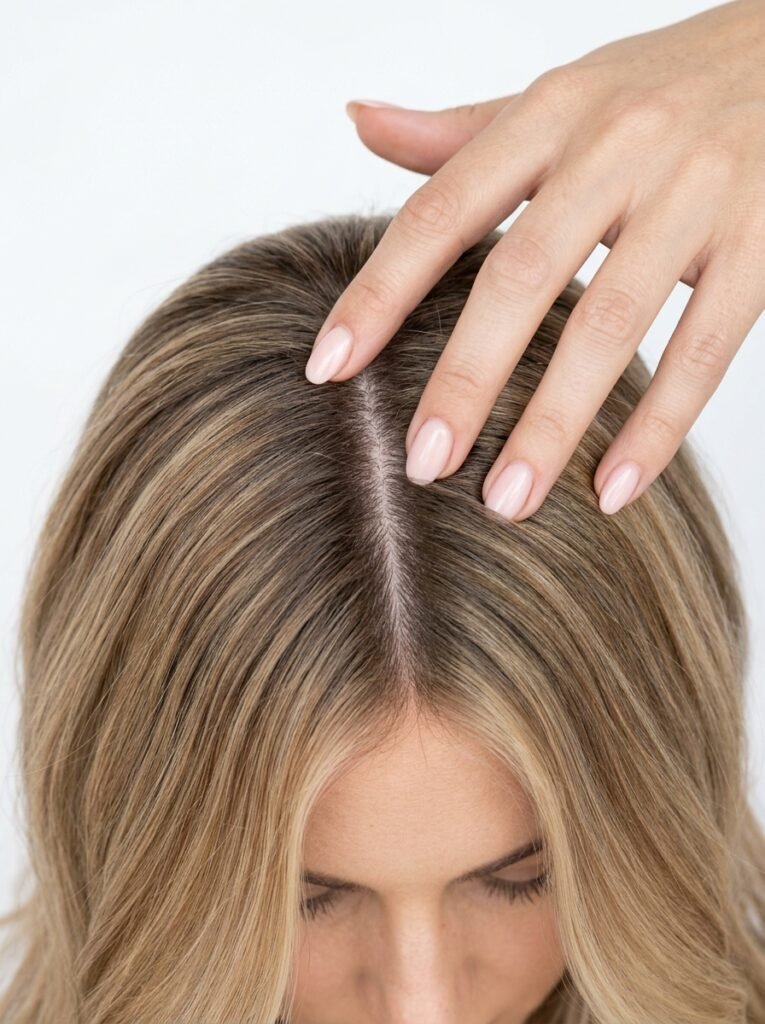
This is where the two techniques truly part ways. Highlights start at the root, so the moment your natural color grows in, a visible line appears, and most foil clients book touch-ups every six to eight weeks. Balayage starts below the root with a blended transition, so regrowth simply extends the shadow that was already part of the design. Many balayage clients comfortably stretch appointments to twelve to sixteen weeks, sometimes longer with a quick gloss in between. If low maintenance is your top priority, this difference alone may settle the debate.
Cost and Time in the Chair
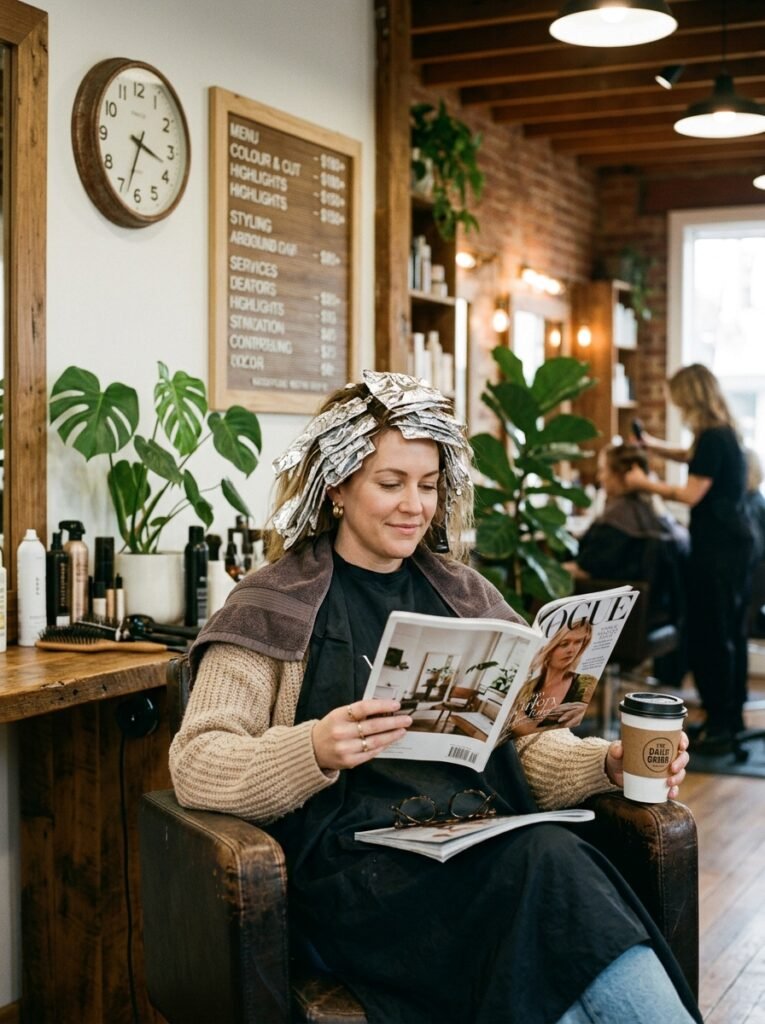
Balayage usually carries the higher price tag per session, because hand painting is slower, more customized work, and appointments often run two to four hours once toning is included. Traditional highlights are typically a little cheaper per visit and more predictable in timing. Spread across a full year, though, the math often flips. Fewer balayage appointments can cost less annually than foil touch-ups every six weeks, so compare yearly totals rather than single receipts. Prices vary widely by city, salon, and hair length, which is exactly what consultations are for.
Hair Health and Damage
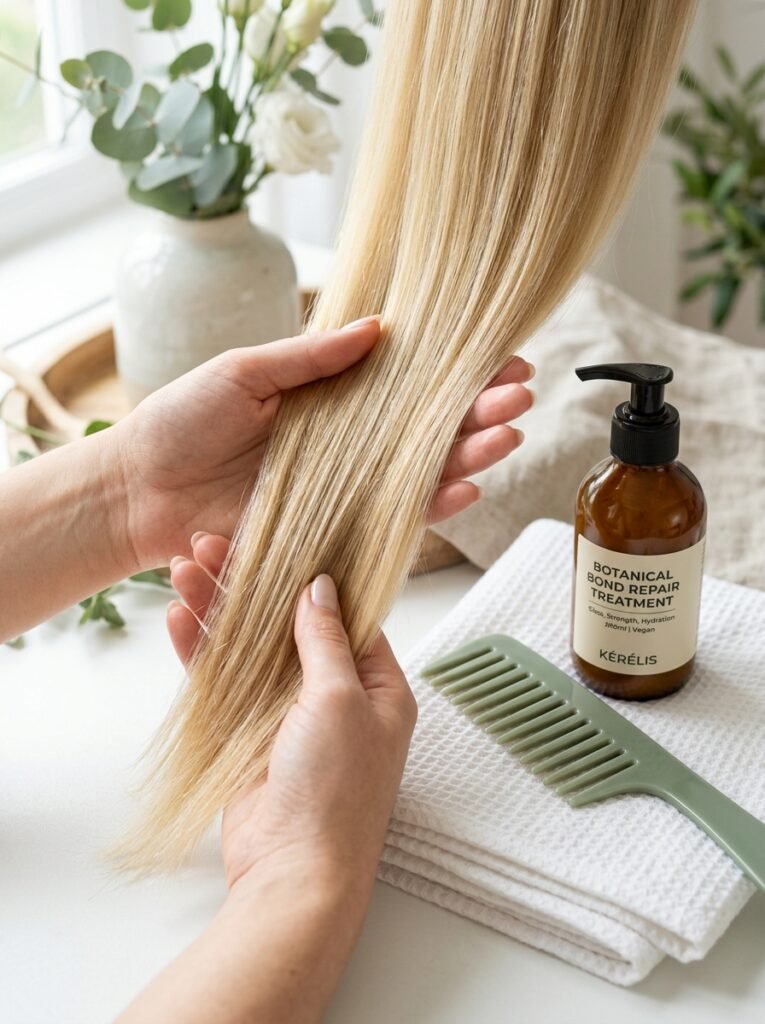
Both techniques use lightener, so neither is damage-free, and the biggest variable is the skill of your colorist plus how well you care for your hair afterward. That said, foils lift more aggressively and coat each chosen strand from root to tip, which means more of your hair is exposed overall. Balayage leaves the roots mostly untouched and focuses on mid-lengths and ends, which is gentler on new growth, though those ends do get repainted visit after visit. Whichever you choose, a bond-building treatment during processing and a decent aftercare routine matter more than the technique itself.
Which Technique Suits Your Hair Type and Color
Your starting color and texture matter just as much as the look you are chasing.
Dark brunettes wanting soft caramel or bronde dimension are made for balayage. The technique keeps depth at the root, which flatters dark bases beautifully. If a dark brunette wants to go dramatically blonde, though, foils, and usually more than one session, are the realistic path.
Natural blondes tend to be happy with either, but fine-haired blondes often get the most flattering result from babylights, which are ultra-fine foils that build brightness without any chunkiness.
Fine hair in general benefits from the even coverage of foils, since sparse hand-painted pieces can get lost in thinner hair. Thick and curly hair often loves balayage, because a skilled colorist can paint each curl exactly where the light would naturally hit it, preserving the curl pattern instead of fighting it.
Warm tones deserve a mention too. Copper and red shades fade faster than any other color, so whichever technique you choose, plan on regular glosses to keep them rich.
And if you are blending gray, foils win. Balayage never touches the root, which is precisely where gray shows up first, while fine highlights woven through the top diffuse silver strands beautifully.
Babylights, Foilyage, and Other Terms Worth Knowing
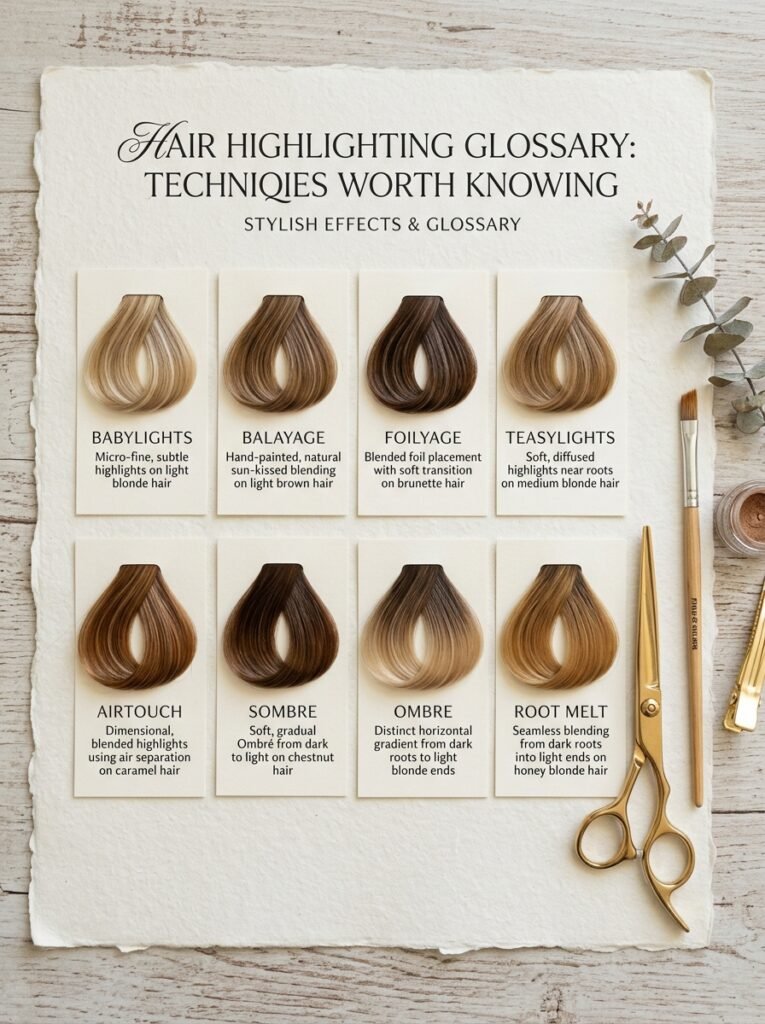
Walk into a modern salon and you will hear far more than two options, so here is a quick translation guide.
Babylights are extremely fine, closely placed foils that create a soft, childlike brightness. They are subtle, gorgeous on fine hair, and excellent for blending early gray.
Foilyage is the hybrid. Your colorist hand paints sections balayage-style, then wraps them in foil for extra lift. You get the soft placement of balayage with brightness closer to traditional highlights, which makes it a favorite for darker hair with big blonde ambitions.
Ombre is a stronger, more graphic transition from dark roots to light ends, while sombre is its softer cousin. A money piece is simply a brighter panel framing the face, and lowlights work in reverse, weaving darker tones back in to restore depth to over-lightened hair.
Knowing these terms helps, but do not stress about memorizing them. A good colorist cares far more about your photos than your vocabulary.
Practical Tips Before You Book Your Color Appointment
A little preparation protects both your hair and your wallet.
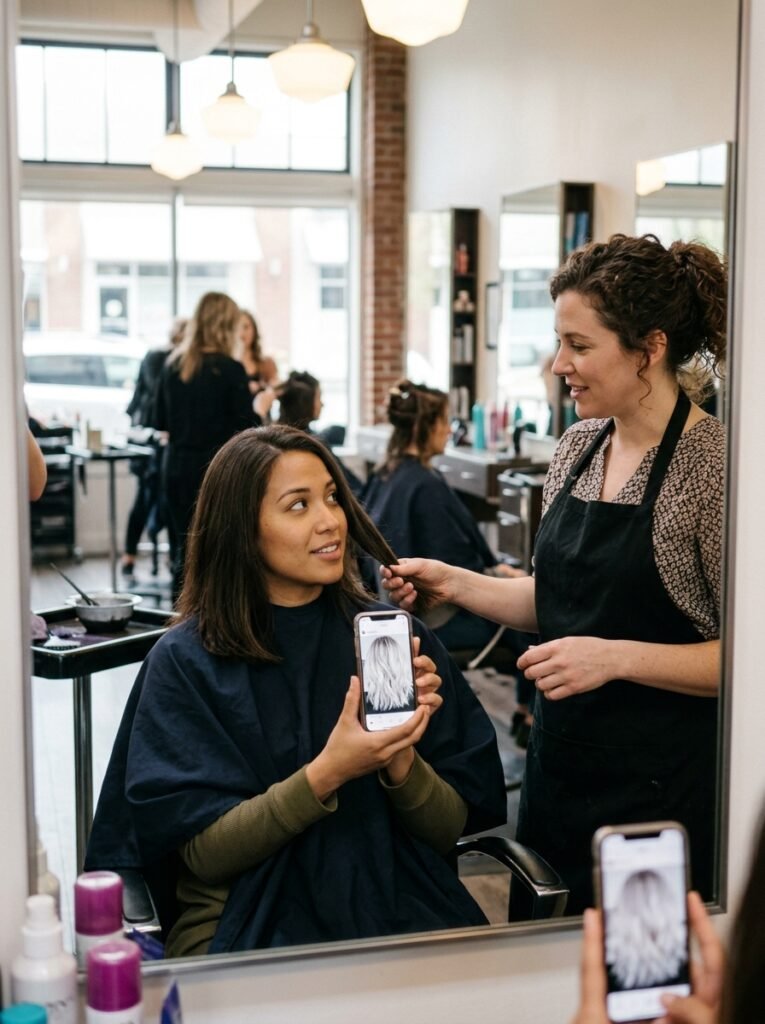
- Save three to five inspiration photos, ideally on hair with a similar starting color to yours, plus one photo of what you definitely do not want.
- Book a consultation first for any big change, and ask whether your goal needs one session or several.
- Be honest about your budget for the whole year, not just the first visit, and ask what maintenance will realistically cost.
- Ask whether a bond builder is included during lightening, and plan on a purple or blue toning shampoo at home.
- Arrive with hair in decent condition. Lightener behaves best on healthy hair, so ease up on hot tools in the week before.
Ten minutes of homework before booking saves months of correction afterward.
Common Mistakes People Make When Choosing Between the Two
Colorists see the same missteps constantly, and nearly all of them are avoidable.
The first is choosing balayage purely because it is trendy, then feeling disappointed that it is not blonde enough. Balayage is a soft technique. If your inspiration photo shows bright, uniform blonde, you probably want foils or foilyage instead.
The second is the reverse, booking highlights for the low-maintenance life balayage was built for, then resenting the regrowth line that shows up six weeks later.
People also bring photos of balayage on light brown hair while sitting in the chair with nearly black hair, expecting identical results in one visit. Dramatic lightening is a process, and pushing it into a single afternoon is how hair gets wrecked.
Skipping the consultation is another classic, along with judging cost by the first appointment instead of the yearly total.
And finally, neglecting aftercare. Skipping toner refreshes, sun protection, and heat protectant is the fastest way to turn any expensive color brassy and dry.
What Colorists Wish Every Client Knew
Ask working colorists about this debate and the same themes come up again and again.
Photos beat words every time. Terms like balayage get used loosely online, so the picture you bring tells your colorist what you actually want far better than any label does.
Your starting canvas sets the limits. Previous box dye, old color bands, and your natural depth all affect what is achievable in one session, and an honest color history helps far more than a flattering one.
Toner is not an upsell. It is the step that turns raw lightened hair into the shade you asked for, and it fades, so refreshing it between big appointments keeps everything looking intentional.
And low maintenance never means no maintenance. Even the softest balayage needs the occasional gloss and a trim to look its best.
Frequently Asked Questions
Is balayage or highlights better for covering gray hair?
Highlights are usually the better choice for gray blending, especially fine babylights, because they start at the root where gray appears first. Balayage leaves the root untouched, so it softens gray through the lengths but will not disguise silver regrowth.
Which lasts longer, balayage or highlights?
Balayage lasts longer between appointments. Its blended, root-shadowed placement grows out softly, so most people refresh every twelve to sixteen weeks. Traditional highlights show a regrowth line much sooner and generally need attention every six to eight weeks.
Is balayage less damaging than highlights?
Balayage is often gentler overall because the roots stay mostly untouched and the lightener processes in open air rather than inside heated foils. That said, both techniques use lightener, so your colorist’s skill, bond-building treatments, and aftercare matter more than the technique alone.
Can you do balayage on dark hair?
Yes, and dark hair with soft caramel or honey balayage is one of the most beautiful versions of the technique. Just keep expectations realistic. Taking very dark hair to a bright blonde usually requires foilyage or several sessions to get there safely.
Which is more expensive, balayage or highlights?
Balayage typically costs more per appointment because it is slower, hand-painted work. Over a full year, though, it often evens out or costs less, since balayage clients visit the salon far less frequently than highlight clients needing regular root touch-ups.
Final Thoughts
There is no universally better technique here, only the one that fits your hair, your budget, and your patience for salon chairs. If you want soft, sun-kissed dimension that grows out gracefully and forgives a packed calendar, balayage will make you very happy. If you want maximum brightness, uniform light from the root, or genuine help blending gray, foils are still the gold standard for a reason.
Decide what matters most to you, gather your photos, and book a consultation before committing to anything. A ten-minute conversation with a good colorist will confirm which technique gets you to your goal with your hair still healthy when you arrive there.
Whichever way you go, you now know exactly what you are saying yes to. And that, more than anything else, is how you walk out of the salon loving what you see in the mirror.