
Your 20s Are for Hair Experiments: Finding Your Signature Style
I dyed my hair a truly unfortunate shade of copper red when I was 23. It faded into something closer to traffic cone orange within three washes, and I wore it that way for almost two months because I was too broke to fix it and too stubborn to admit it looked bad.
I don’t regret it. Not really. That disaster taught me more about what actually suits my skin tone than any color chart ever could.
That’s kind of the whole point of your 20s when it comes to hair. This is the decade where trial and error is basically the assignment, not a failure. If you’re standing in front of the mirror right now wondering whether to chop it all off, go blonde, or try bangs for the fourth time, you’re exactly where you’re supposed to be.
The Case for Experimenting Now
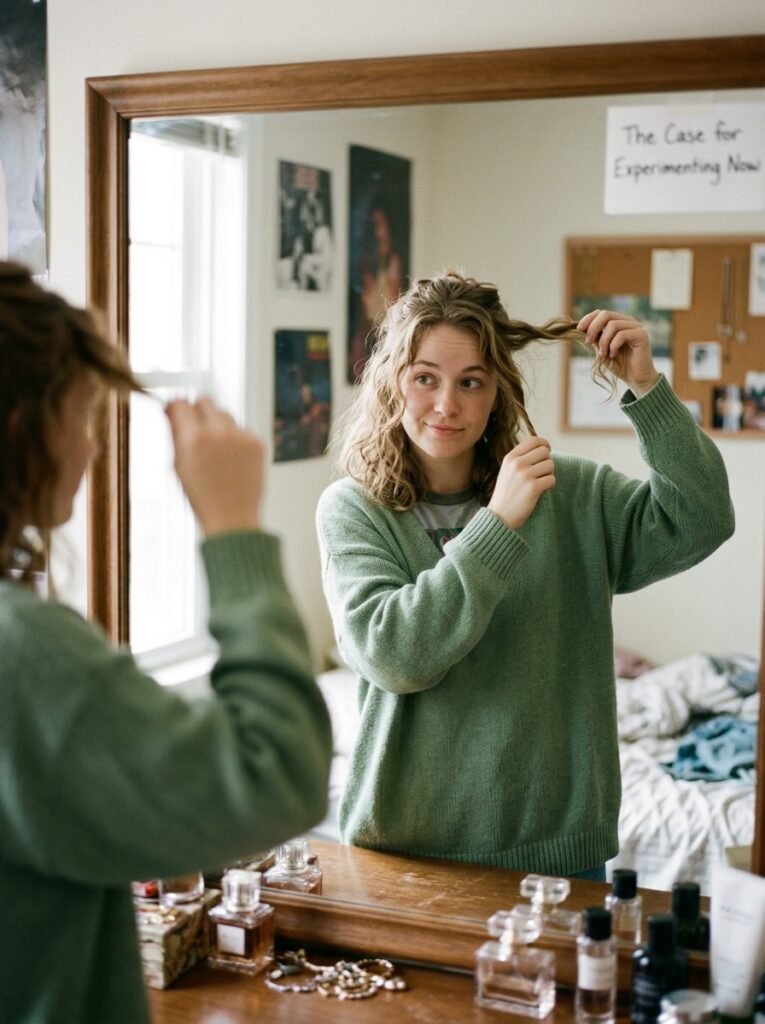
There’s a reason so many people look back at their 20s and cringe a little at old photos. It’s not because those choices were mistakes. It’s because that decade is genuinely built for figuring things out through trial rather than research.
Hair grows back. Color fades or grows out. A haircut you hate today is a haircut you can fix in six weeks. Almost nothing about hair experimentation in your 20s carries the kind of permanence that makes it feel scary later on, once careers, weddings, and other higher stakes moments start crowding the calendar.
There’s also something less obvious going on. Most people don’t actually know what suits them until they’ve seen a few things that don’t. You can read every article about your face shape and skin undertone, but nothing teaches you faster than standing in front of a mirror with bangs you weren’t expecting to love, or hair shorter than you’ve ever had it.
Your 20s are also usually the last stretch before hair care routines get more complicated, whether that’s from color damage building up, life getting busier, or simply running out of patience for high-maintenance styles. Use the lower-stakes window while it’s open.
The Cuts Worth Trying On
Certain haircuts feel almost like a rite of passage in this decade, and there’s a reason they keep coming back around.
Bangs, at Least Once

Almost everyone tries bangs eventually, and there’s a reason it’s such a universal experience. They completely change how your face reads in photos and in the mirror, and they’re one of the few changes dramatic enough to notice immediately but small enough to grow out within a few months if they don’t work.
Face shape matters more with bangs than almost any other cut decision, so it’s worth having an honest conversation with your stylist before committing rather than just bringing in a photo of someone with a completely different face structure. If you want a deeper breakdown before booking the appointment, this guide on what every face shape needs to know before getting bangs walks through the specifics without any of the usual guesswork.
The Big Chop
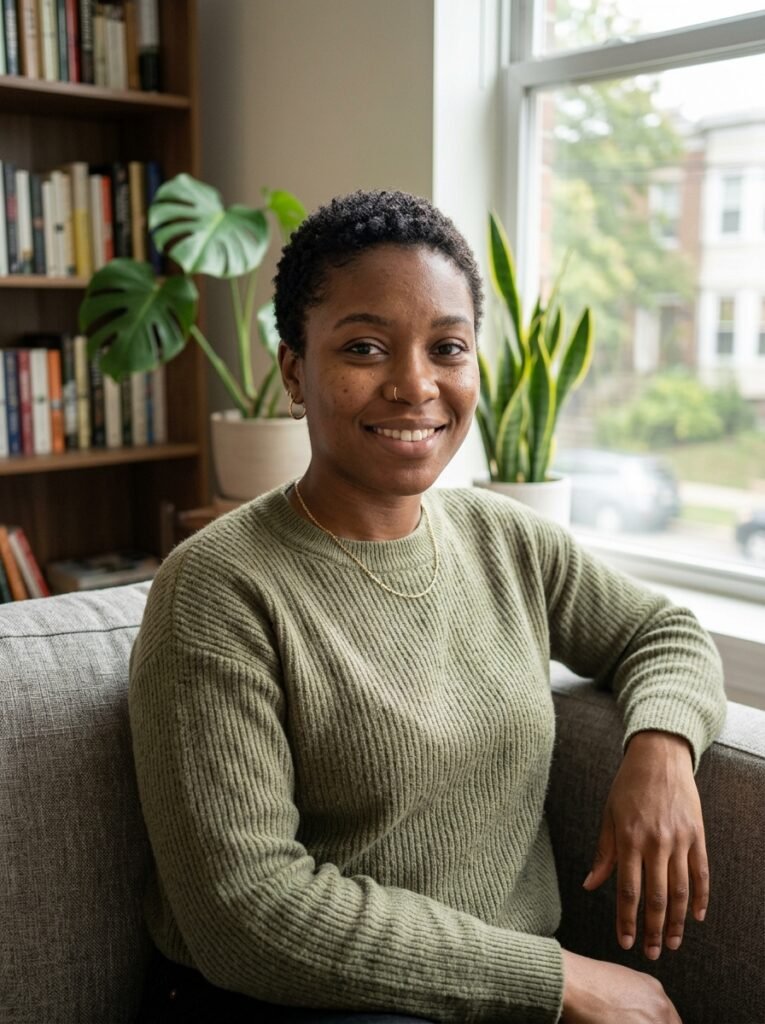
There’s a specific kind of confidence that comes from cutting off a significant amount of length, and your 20s tend to be when people are most willing to actually go through with it. Whether it’s a bob, a lob, or something shorter, going dramatically shorter for the first time teaches you things about your hair texture and face shape that longer hair tends to hide.
Curtain Bangs and Face-Framing Layers
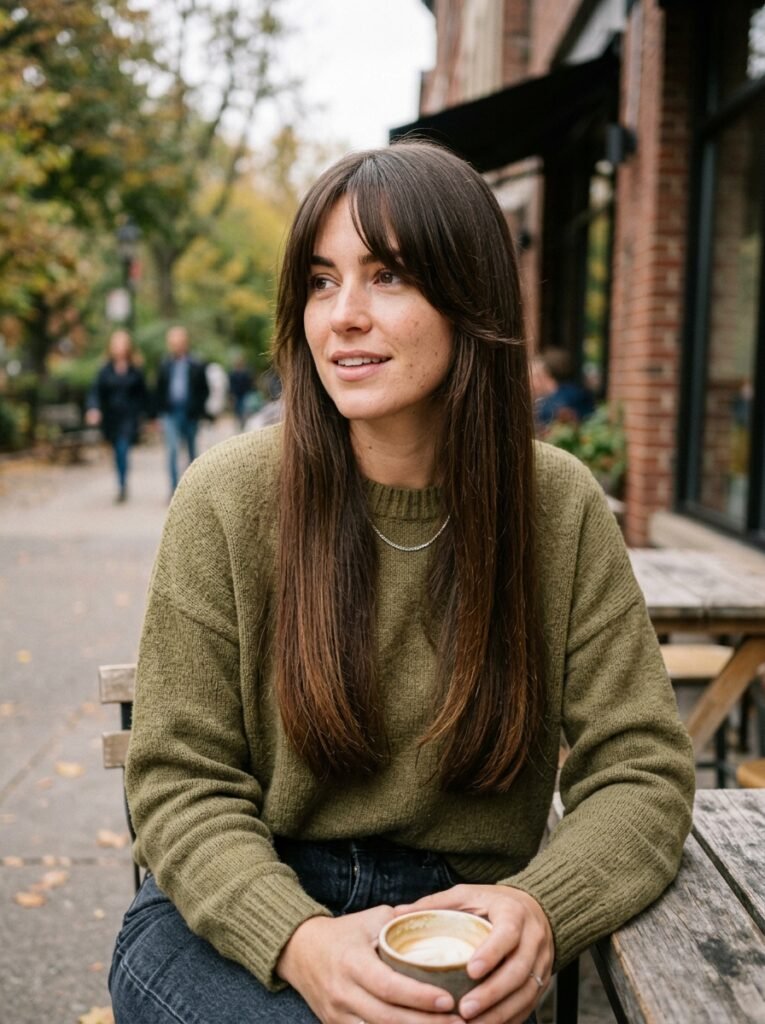
Less committal than full bangs, curtain bangs and soft face-framing layers offer a lot of the visual impact without needing a completely blunt line across your forehead. They’re a good middle step if full bangs feel too intense but you still want to play with something new around your face.
Textured or Piece-y Layers

If you’ve had the same one-length cut since high school, adding texture is one of the lowest-risk ways to feel like your hair looks different without losing much length at all. It’s a good starting experiment if bigger changes feel intimidating right now.
The Shag or Wolf Cut
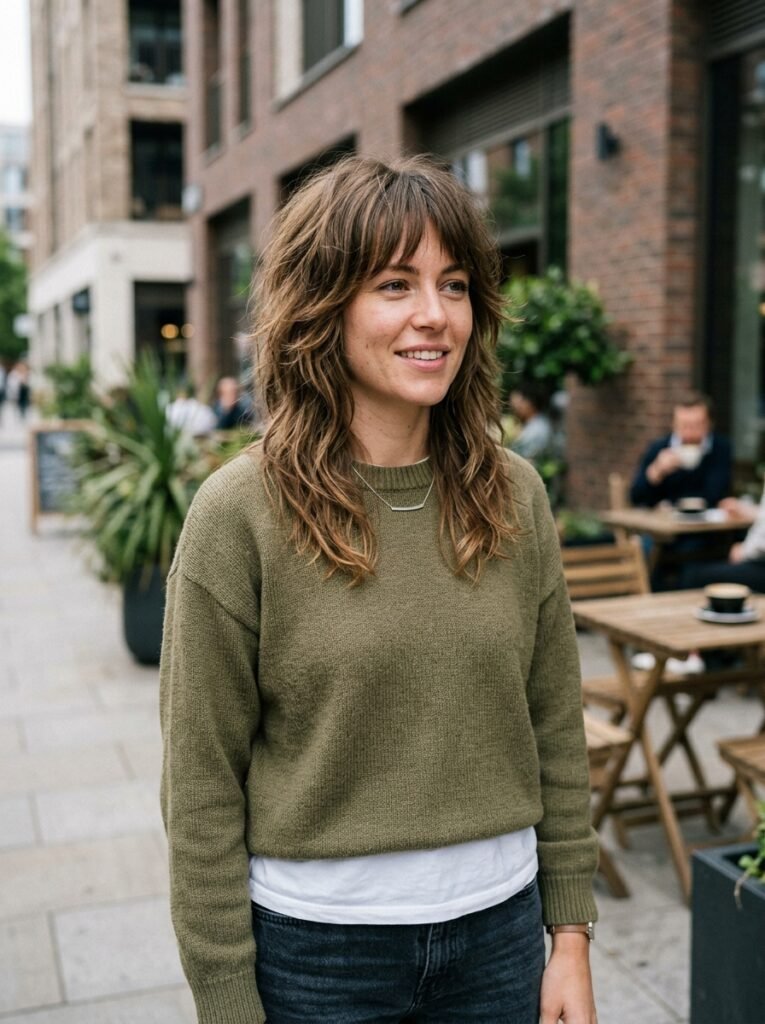
Heavily layered, a little undone, and built for movement rather than sleekness, this style has cycled back into popularity for good reason. It photographs well in a low-effort way and gives you a completely different silhouette than a clean, polished cut without requiring you to go dramatically shorter. It’s a good experiment if you want your hair to feel different without changing the overall length by much at all.
Color Experiments Worth Considering
Color tends to feel like the bigger leap for a lot of people, mostly because it’s harder to undo quickly compared to a haircut that just needs time to grow out.
Highlights or balayage are the gentlest entry point, since they add dimension without a full commitment and they grow out fairly gracefully. If you’re curious about going lighter or darker overall, doing it gradually over a couple of sessions tends to be both healthier for your hair and easier to adjust if you change your mind partway through.
Semi-permanent colors, including some of the bolder options like pastels or vivids, are a genuinely smart way to test a dramatic change without the long-term commitment of permanent dye. They fade out over several weeks rather than requiring another salon trip to reverse.
If you’re nervous about damage, ask your colorist directly about a strand test and a realistic maintenance plan before booking anything major. A good colorist would rather talk you through the healthiest way to get a look than rush you into something that leaves your hair fried six months later.
Experimenting Without Draining Your Bank Account
Salon experimentation isn’t cheap, and your 20s aren’t exactly known for having unlimited disposable income. There are ways to test the waters without booking every appointment at full price.
Ask about model nights or trainee programs at reputable salons, where stylists in training work under supervision at a fraction of the usual cost. It’s a great way to try a bigger change with expert eyes still involved, even if the appointment takes a bit longer than usual.
Clip-in extensions or temporary color sprays let you preview a dramatic change for a single event before deciding whether it’s worth committing to permanently. Even something as simple as styling your current hair differently for a week, curling it if you usually wear it straight, or trying a middle part instead of a side part, can reveal a lot about what you like without spending anything at all.
Ground Rules Before You Commit
Experimentation works best with a little structure behind it, otherwise it just turns into random decisions you regret.
- Bring reference photos, but also show your stylist your actual current hair, not just the inspiration image
- Ask what the growing-out process will look like before you commit to anything dramatic
- Consider a temporary version first if you’re on the fence, like clip-in color or a wig, before going permanent
- Give any new cut or color at least a few weeks before deciding you hate it, since first-day styling rarely reflects how it’ll actually look once you learn to work with it
- Keep a rough photo log of what you try, since patterns tend to show up more clearly in hindsight than in the moment
That last one sounds small, but it ends up mattering a lot. Looking back at six different hairstyles over two years usually reveals something useful about what you actually gravitate toward, separate from what was trending at the time.
How Experimenting Actually Leads to a Signature Style
Here’s the part that surprises people. A signature style rarely shows up as a single lightning bolt moment. It usually gets built slowly, through a string of experiments that each teach you something small.
Maybe the copper red disaster taught you that warm tones wash you out. Maybe the bangs you tried twice taught you that you actually prefer a soft curtain fringe over a full blunt line. Maybe the big chop taught you that you missed having length to pull back for workouts, so you landed somewhere in between.
None of those individual experiments were the final answer. Together, they mapped out the boundaries of what actually works for your face, your texture, and your lifestyle. That map is what eventually becomes your signature look, not a single perfect choice made on the first try.
People who seem to have effortlessly figured out their “thing” usually just experimented earlier and more freely than everyone else, then quietly kept doing what worked once they found it.
A Story That Sums This Up Pretty Well
A friend of mine went through what she jokingly calls her “hair arc” between ages 22 and 27. Platinum blonde pixie at 22. Waist-length extensions at 23. A blunt bob with bangs at 24. Back to natural color with soft layers by 26.
Every single one of those looks got compliments at the time. But when she finally settled into shoulder-length hair with subtle balayage and no bangs, something clicked differently. She wasn’t chasing a trend anymore. She just looked like herself, a slightly more polished version of the same face that had tried on five completely different identities over five years.
She still says the pixie was her favorite phase to live through, even though it’s not what she’d choose now. That’s kind of the whole point. The experiments don’t need to lead somewhere permanent to have been worth doing.
Common Mistakes to Watch For
A few patterns tend to trip people up during this phase, worth knowing before you dive in.
- Copying a look exactly without adjusting for your own face and texture. What worked for an influencer with a completely different bone structure might need real modification to work for you.
- Going too extreme with color all at once. Jumping from dark brown to platinum in a single session is hard on hair and hard on a budget. Gradual sessions are usually the smarter route.
- Judging a new cut within the first 48 hours. Fresh cuts often look different once you actually learn to style them yourself at home.
- Ignoring hair health in the name of chasing looks. Heavy bleaching or repeated heat styling without any recovery time catches up eventually, usually in the form of breakage and dullness.
- Being afraid to just try it because of what people might say. Most people are far too focused on their own lives to spend much time judging your hair choices, even when it feels like the opposite in the moment.
Frequently Asked Questions
Is my 20s really the best time to experiment, or is that just a myth? It’s not a hard rule, but there’s some truth to it. Lower stakes, fewer professional or social expectations tied to your appearance, and more flexibility in daily routine all make experimentation feel lower risk during this decade compared to later ones.
How do I know if I should try a bold color or start with something subtle? If you’re nervous, start subtle with highlights or a semi-permanent option before committing to something dramatic and permanent. There’s no rule saying you have to go all in on the first try.
What if I hate a haircut right after getting it? Give it a few days and try styling it yourself before deciding. A lot of dissatisfaction comes from the salon blowout looking different than your usual routine, not from the cut itself being wrong.
How often can I realistically change my hair without damaging it? Cuts can happen as often as you like, since hair grows back on its own timeline. Color changes need more spacing, generally a few months between major processing sessions, to avoid excessive damage.
When should I stop experimenting and settle into one look? There’s no specific age or deadline. Some people land on a signature style in their mid-20s, others keep evolving well into their 30s and beyond. The goal isn’t to stop trying things, it’s to notice what keeps working when you do.
Is it worth going to a trainee or model night instead of a full-price appointment for a big change? It can be, especially for lower-risk experiments like color glazing or a trim with a new shape. For something more drastic, like a first-time big chop, it’s worth weighing the savings against the comfort of working with a stylist you already trust.
Final Thoughts
Your 20s don’t need a five-year hair plan. They need permission to try things, including the ones that might not work out. Every awkward phase, every slightly regrettable color choice, and every haircut you grew out too fast is doing quiet work in the background, teaching you what actually fits.
The signature style people eventually land on rarely comes from playing it safe the whole time. It comes from being willing to look a little different for a while, paying attention to what felt right, and letting that information guide the next choice. Go dye it. Go cut it. You’ve got time to figure out the rest.