
Long Face? These Haircut Tricks Add Width and Balance
If you have a long face shape, you’ve probably noticed that certain haircuts make your face look even longer, while others somehow bring everything into better proportion without you quite knowing why. It’s not random. Long face shapes respond really well to specific cutting and styling techniques that add visual width, which balances out the length in a way that feels natural rather than forced.
This guide breaks down exactly which haircuts work with a long face shape, which ones tend to backfire, and the small styling details that make a bigger difference than most people realize.

How to Know If You Have a Long Face Shape
A long face shape is generally longer than it is wide, with a forehead, cheekbones, and jawline that are relatively similar in width, but stretched out vertically compared to other face shapes. The chin is often slightly longer or more elongated, and the overall impression is more rectangular or oblong rather than round or wide.
A simple way to check is to pull your hair back and measure your face length from your hairline to your chin, then compare that to the width across your cheekbones. If the length measurement is noticeably longer than the width, you’re likely working with a long face shape. This distinction matters because the styling goal here is almost the opposite of what someone with a round or square face might need. Instead of elongating the face, the focus shifts to adding width and breaking up length.
The Overall Goal for Long Face Haircuts
The main strategy behind flattering haircuts for long face shapes is creating horizontal volume and width, while avoiding styles that add extra height or length. Since the face already reads as elongated, hairstyles that pull everything straight down or add height at the crown tend to exaggerate that length even more.
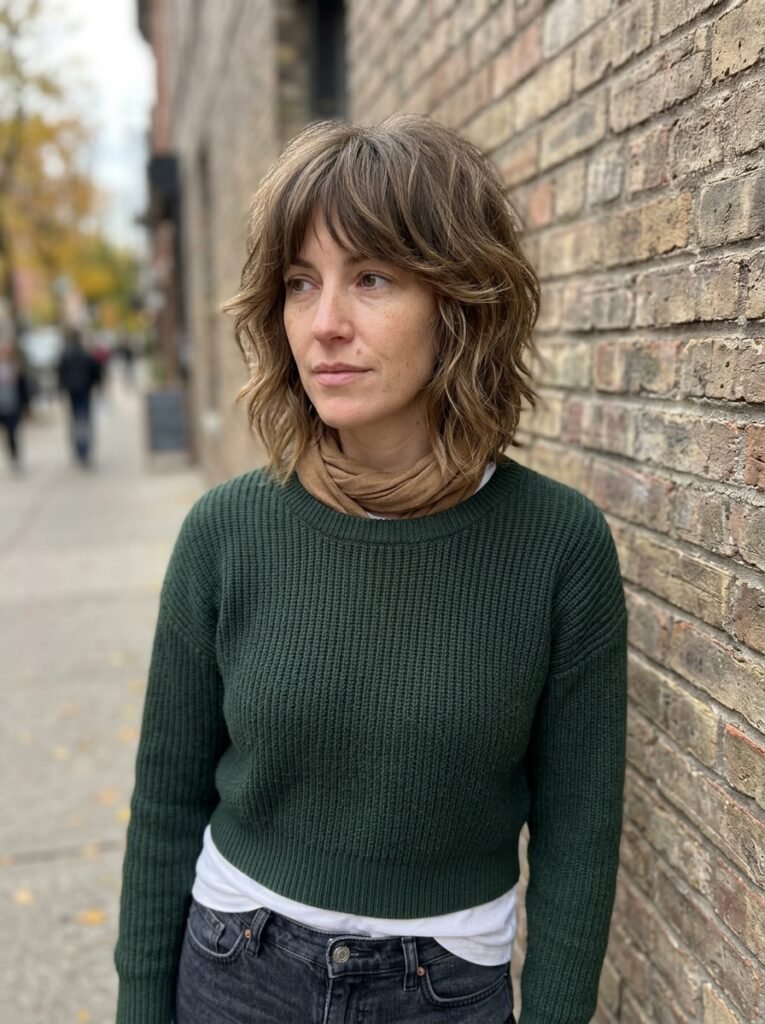
Instead, the most flattering cuts usually involve some combination of width at the sides, softness around the cheeks, and a defined ending point that stops the eye from traveling too far down the face. This doesn’t mean long hairstyles are off the table entirely. It just means certain adjustments, like face framing layers or added texture, help balance the proportions in a way that feels intentional.
The Do’s of Haircuts for Long Faces
Do Add Volume at the Sides
Width at the sides of the face is one of the most effective ways to visually balance a long face shape. Haircuts with soft waves, curls, or layers that add fullness around the cheeks and jaw create horizontal volume that offsets vertical length.

Do Try Blunt or Wispy Bangs
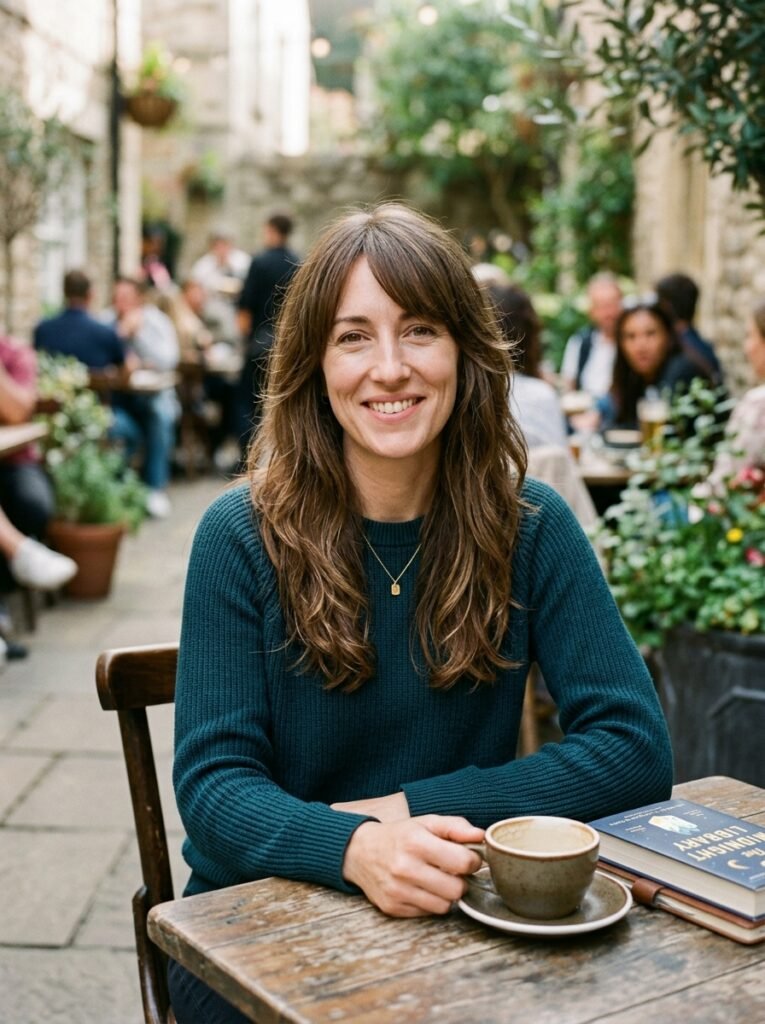
Bangs are one of the simplest ways to shorten the appearance of a long face, since they create a visual stopping point across the forehead. Full, blunt bangs work particularly well, though soft wispy bangs also help if you prefer something lighter and more textured.

Do Consider Chin Length or Shoulder Length Cuts
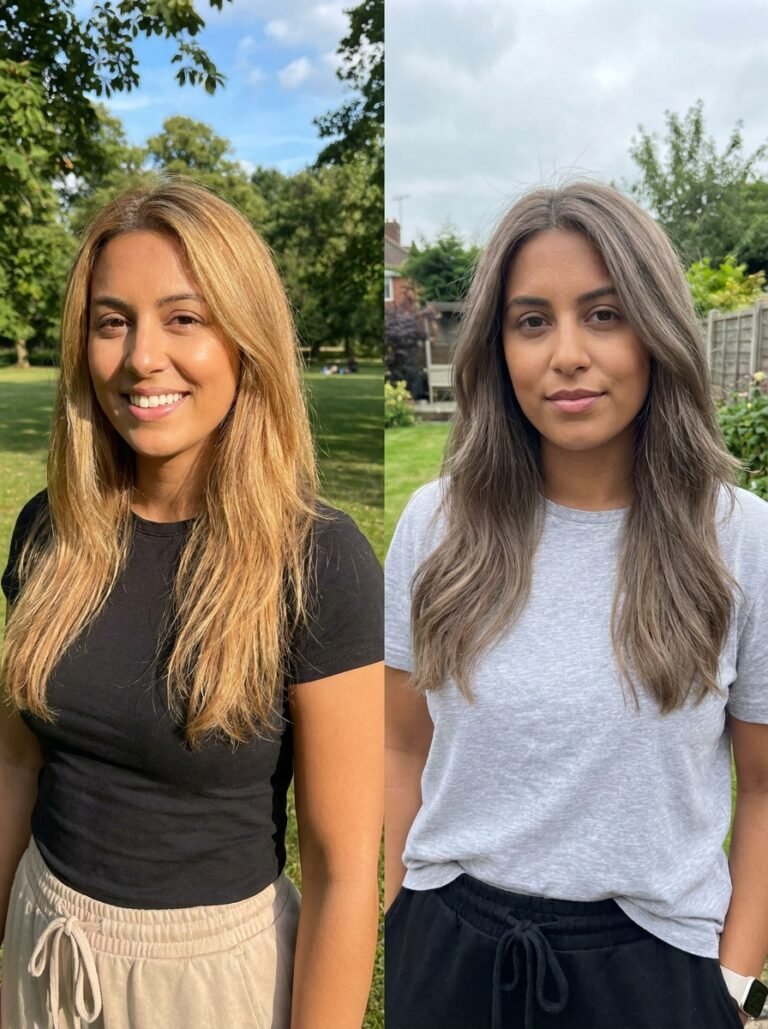
Medium length haircuts that hit around the chin or shoulders tend to be especially flattering for long face shapes. These lengths naturally add width at the point where the face needs it most, without pulling the eye further downward the way very long hairstyles sometimes do.

Do Add Waves or Curls
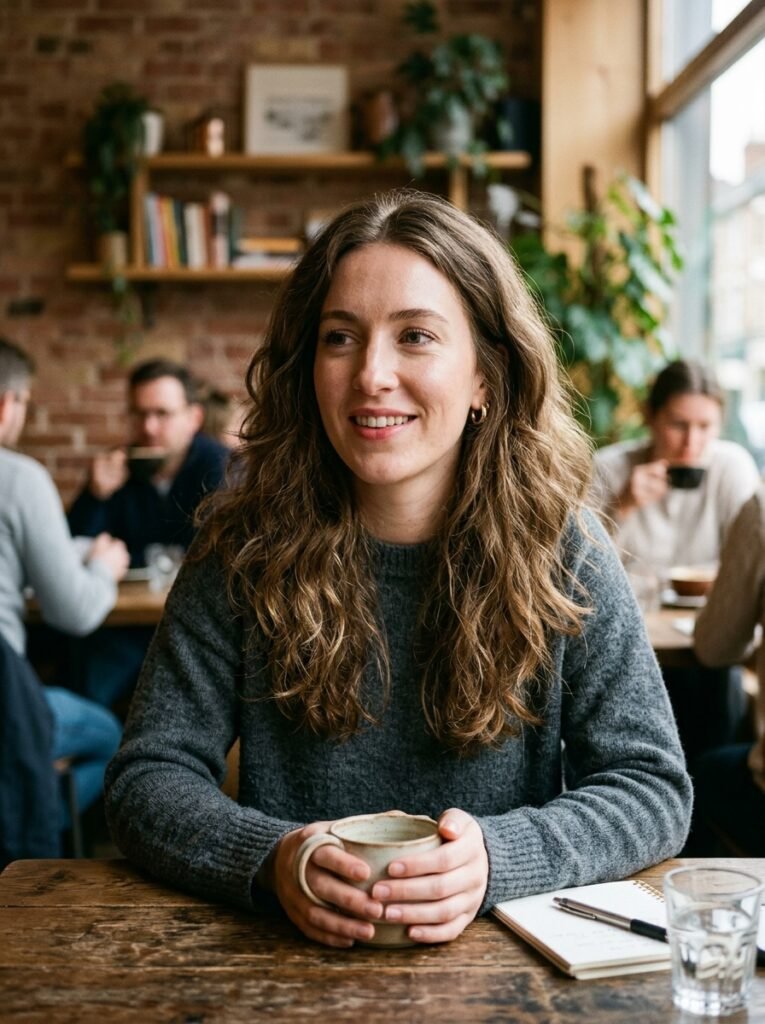
Texture works wonders for long face shapes. Loose waves or curls create fullness and horizontal movement, which breaks up the straight vertical lines that can make a long face look even longer.

Do Try a Middle Part With Fullness
While a middle part might seem like it would emphasize length, when paired with volume at the sides, it actually creates balance by drawing attention outward rather than straight down the center.
Do Consider Layered Cuts That Add Fullness
Layers that start around the cheekbone or jaw, rather than layers that taper everything downward, help build width and movement exactly where a long face benefits from it most.

The Don’ts of Haircuts for Long Faces
Don’t Choose Extremely Long, Straight Styles Without Layers
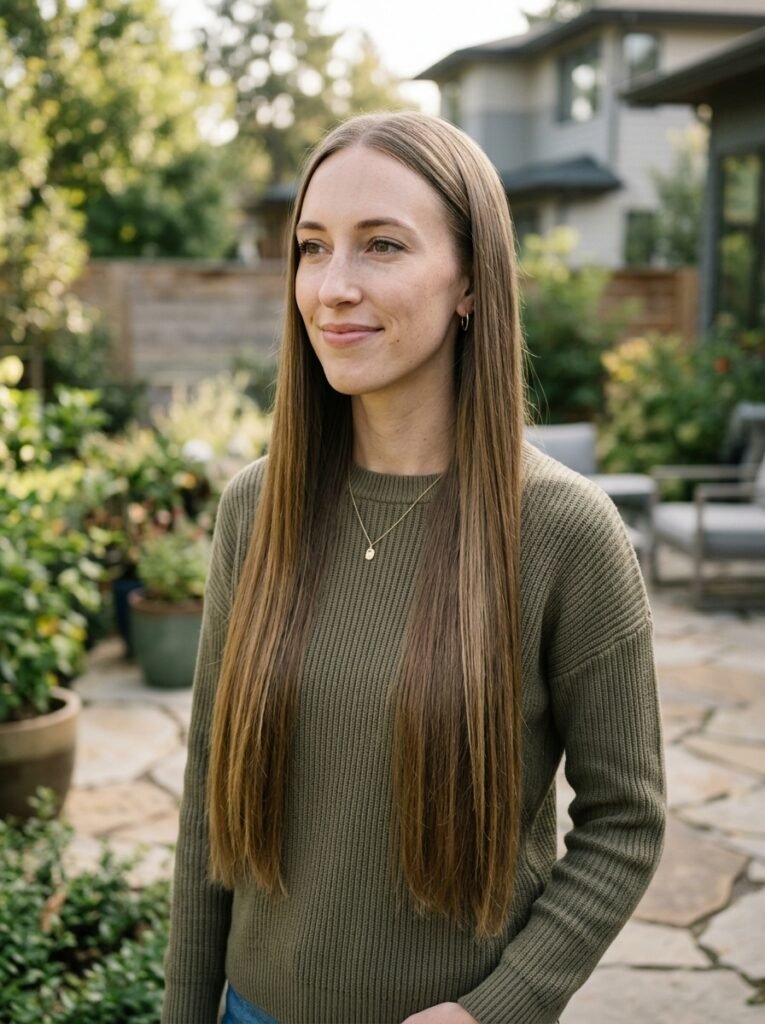
Very long, sleek, one length hair without any layering tends to pull the eye straight down the face, which exaggerates length rather than balancing it. If you love long hair, adding layers or waves helps prevent this effect.
Don’t Add Height at the Crown
Volume at the top of the head, like a high ponytail or a style teased at the crown, adds even more vertical length to an already elongated face. This is one of the most common styling mistakes for long face shapes.
Don’t Get a Center Part With Flat, Straight Hair
A center part on its own isn’t necessarily a problem, but paired with completely flat, straight hair, it creates a strong vertical line down the middle of the face that emphasizes length even further.
Don’t Choose Very High, Slicked Back Styles
Sleek, pulled back styles that eliminate volume around the face remove the natural width layers or waves would normally provide, which can make a long face look narrower and longer at the same time.
Don’t Avoid Bangs Out of Habit
Some people avoid bangs simply because they assume they won’t suit them, but bangs are actually one of the most effective tools for balancing a long face shape. It’s worth at least trying a soft, wispy version before ruling them out completely.
Don’t Go Too Short Without Considering Width
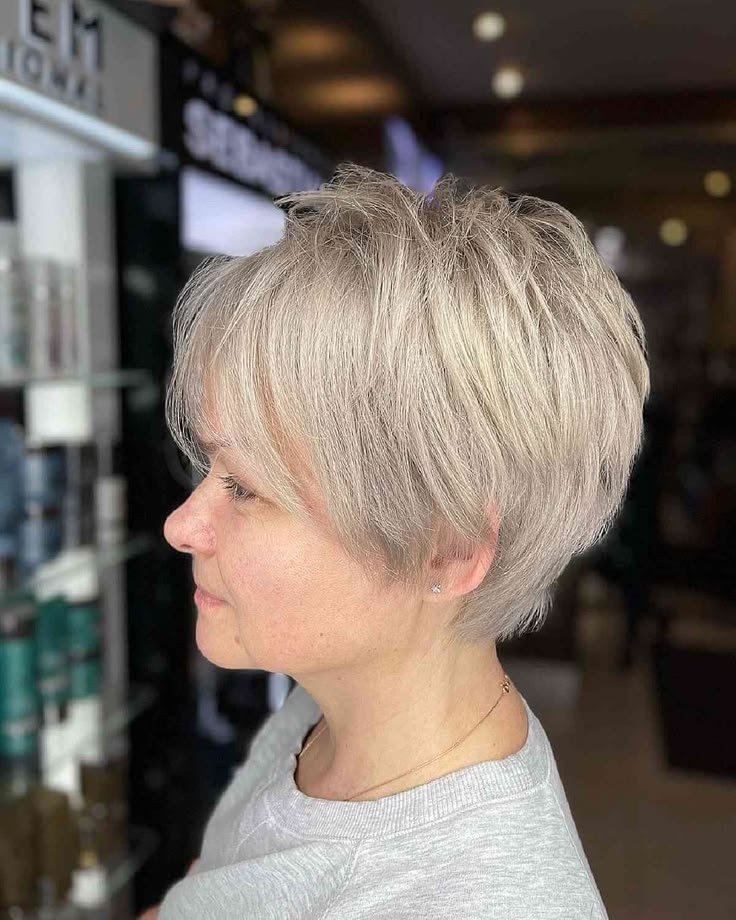
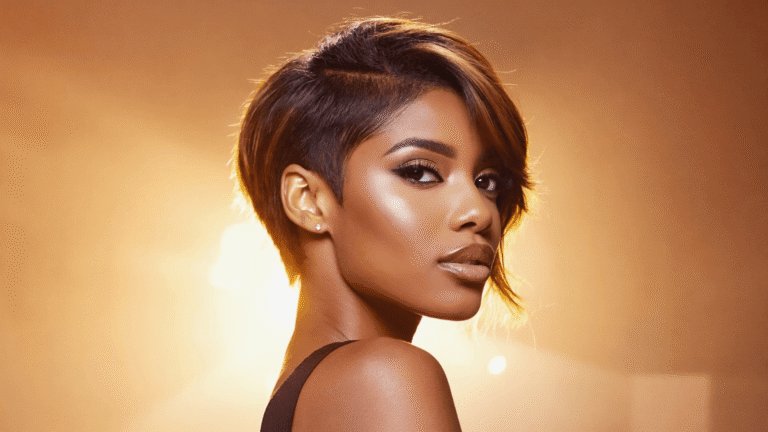
Very short haircuts can work for long face shapes, but only if they’re styled with some width or texture. A very close, flat short cut without any fullness can sometimes make the face look longer rather than more balanced.
Specific Haircuts Worth Considering
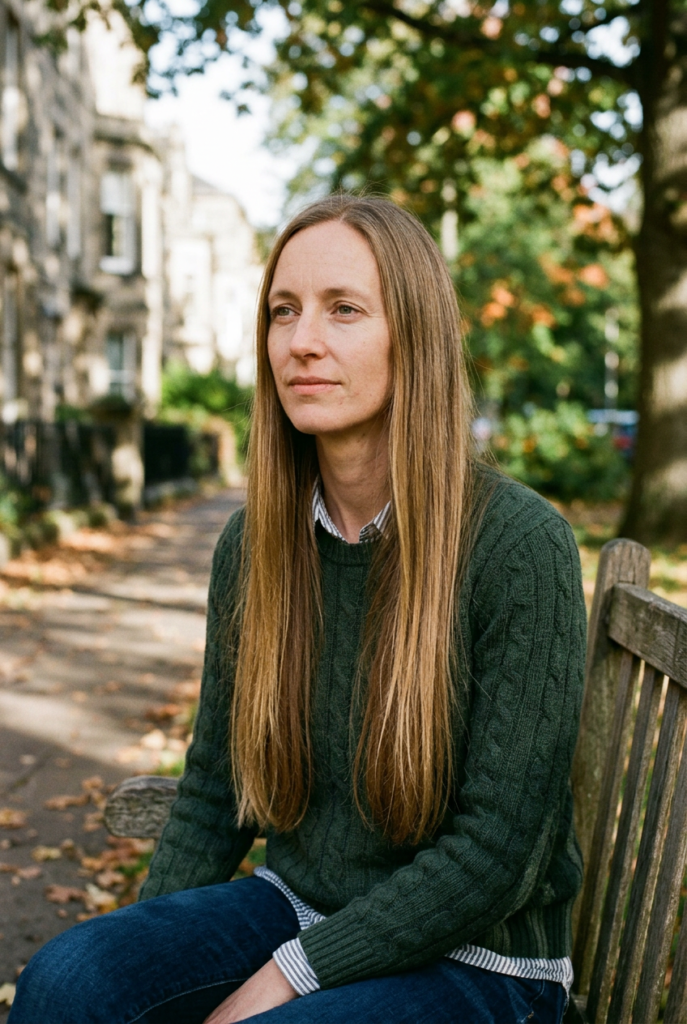
If you want concrete starting points, a few specific cuts consistently work well for long face shapes.
A textured lob with soft waves adds width right around the jaw and cheekbones while keeping the style versatile and easy to maintain. Full, blunt bangs paired with layers create a defined horizontal line across the forehead that visually shortens the face. A shoulder length shag with lots of texture adds fullness throughout, which balances length naturally. Soft curtain bangs combined with loose waves offer a gentler way to add width without a full fringe. A chin length bob with soft layers adds volume exactly at the point where long faces benefit most from extra width.
How Hair Texture Changes the Approach
Natural hair texture plays a significant role in how a haircut ultimately looks on a long face shape.
Straight hair often needs a bit more intentional styling, like waves added with a curling iron or texturizing spray, to create the width that naturally curly or wavy hair provides on its own.
Wavy hair tends to work beautifully with long face shapes since the natural movement already adds the horizontal fullness this face shape benefits from.
Curly hair often creates significant width on its own, which can be a major advantage, though length and how the curls fall around the jaw still matter for overall balance.
Sharing your natural texture and daily styling habits with your stylist helps them recommend a cut that will actually work with your hair on a regular basis, not just look good freshly styled in the salon chair.
Common Mistakes People Make
A few recurring mistakes show up often when people with long face shapes choose a new haircut.
Choosing length based on trends rather than face shape. A very long, straight style might be trending, but it isn’t always the most flattering option for someone with an elongated face.
Skipping bangs due to past bad experiences. A poorly cut or maintained bang in the past doesn’t mean bangs won’t work. A different style or a more experienced stylist often makes a noticeable difference.
Adding too much height during styling. Even a great haircut can look unbalanced if it’s styled with excessive volume at the crown, since this adds even more visual length.
Not accounting for hair texture. A cut that looks amazing on wavy hair might fall completely flat on straight hair without some styling adjustments built in.
Going too short too quickly. Dramatic length changes can be a big adjustment, especially when transitioning from very long hair to something significantly shorter without easing into layers first.
Expert Insight: Width Is the Real Goal, Not Just Shorter Hair
A common misconception is that people with long face shapes simply need shorter hair. In reality, the length of the haircut matters far less than how much width and volume the style creates around the face.
A long, layered style with lots of waves can be just as balancing as a chin length bob, as long as it adds fullness in the right places. The real goal is creating horizontal visual weight, not necessarily cutting length dramatically short. This shift in thinking opens up a lot more flattering options than people usually expect, especially for those who aren’t ready to give up longer hair entirely.
Practical Tips Before Your Next Haircut
A few simple habits make choosing and maintaining a flattering haircut much easier.
Bring reference photos that show volume and width around the face, rather than just length or color inspiration. Talk to your stylist specifically about adding fullness at the sides rather than focusing only on layering the ends. Ask about texturizing techniques, like point cutting or razor cutting, which can add natural looking width without much extra styling effort. Consider a soft fringe if you’ve never tried bangs before, since even a small addition can make a noticeable difference in balance. Pay attention to how you typically style your hair day to day, since a cut that requires curling every morning may not be realistic for your routine.
Frequently Asked Questions
What haircuts should be avoided with a long face?
Very long, straight, one length hairstyles without layering tend to be the least flattering, since they pull the eye downward and exaggerate the length of the face.
Are bangs a good choice for long face shapes?
Yes, bangs are one of the most effective tools for balancing a long face, since they create a horizontal line across the forehead that visually shortens the face.
Is short hair a good option for long face shapes?
Short hair can work well, as long as it includes some texture or volume. Very flat, close cropped styles without fullness can sometimes make the face look longer.
Does hair texture affect which haircuts work best for long faces?
Yes, wavy and curly hair naturally add width, while straight hair often needs styling techniques like waves or texturizing sprays to achieve a similar balancing effect.
Should long face shapes avoid middle parts?
Not necessarily. A middle part paired with volume at the sides can actually help balance a long face, while a middle part with completely flat hair may emphasize length.
What is the most universally flattering haircut for long face shapes?
A chin length or shoulder length cut with soft layers and waves tends to work well across most long face variations, since it adds width exactly where it’s needed most.
Conclusion
Choosing a flattering haircut for a long face shape really comes down to prioritizing width and volume over length reduction alone. Soft layers, added texture, and a well placed fringe can transform how a haircut interacts with an elongated face, while flat, straight, overly long styles tend to work against it.
The next time you’re considering a new haircut, remember that the goal isn’t to shorten your face, it’s to bring balance to your natural proportions. With the right combination of length, texture, and volume, a long face shape can look just as balanced and polished as any other, without sacrificing the styles you actually want to wear.