
The Big Chop, Explained: What to Know Before Going Short
It usually starts innocently. You see a photo of a perfect bob, or you catch your reflection mid-ponytail and wonder what you would look like without all that length. Then the thought refuses to leave. Going short is one of the most exciting things you can do with your hair, and also one of the most nerve-wracking, because unlike a color experiment, there is no rinsing it out.
Here is the truth about the big chop. The people who love their short haircut are almost never the luckiest ones. They are the prepared ones. They knew why they were doing it, what shape to ask for, and what the first few weeks would actually feel like.
This guide walks you through all of it, from figuring out whether you are truly ready to choosing the right short cut, preparing for the appointment, and settling happily into life with less hair.
What a Big Chop Actually Means
A big chop is any haircut that removes a dramatic amount of length in one appointment. For most people that means going from well past the shoulders to somewhere around the chin or above, though honestly, if the cut makes your stomach flip a little, it qualifies.
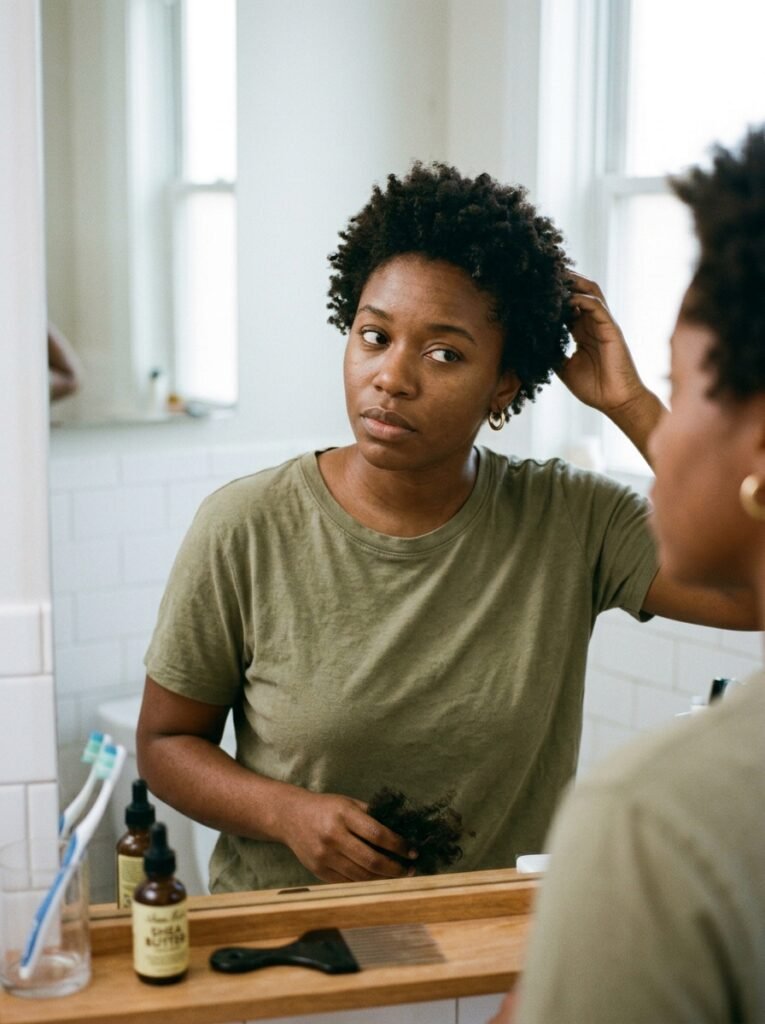
The phrase also carries a special meaning in the natural hair community, where the big chop refers to cutting away chemically relaxed lengths so natural texture can grow in fresh. If that is your journey, everything in this guide still applies, with one addition. Find a stylist experienced with your curl pattern, because texture changes everything about how a short cut should be shaped.
Either way, a big chop is more than a trim with ambition. It changes your styling routine, your product lineup, and often how you feel walking into a room, which is exactly why it deserves a little planning before the scissors come out.

How to Know You Are Ready to Go Short
The difference between a liberating chop and a regretted one usually comes down to motivation and timing.
Start with the why. Wanting a fresh style, an easier routine, or a look you have admired for ages are all solid reasons for going short. Wanting to feel different after a breakup, a job loss, or an awful week is shakier ground, because the urge is really about the feeling, not the hair. Emotional chops are the ones people grow out with gritted teeth.
Then apply the waiting test. If the idea has stuck around for three months or more, through good days and bad, it is a genuine desire rather than a passing mood. Screenshot every short haircut that catches your eye during that time. If the folder keeps growing, you have your answer.
Finally, get realistic about the commitment. Short hair grows at the same speed as long hair, about half an inch a month, so returning to shoulder length from a pixie takes a couple of years. If reading that sentence made you flinch, start with a longer bob. If it made you shrug, you are more ready than you think.

Will Short Hair Suit You
Almost everyone can wear short hair. The real question is which short hair, and a few quick checks will point you in the right direction.
Stylists have leaned on a famous rule of thumb for decades. Hold a pencil horizontally under your chin and a ruler vertically beneath your ear, and note where the two cross. If the distance from your ear down to the pencil is less than two and a quarter inches, shorter cuts like bobs and pixies tend to be extremely flattering on you. If it is more, a longer bob or collarbone-length cut will usually balance your proportions better. It is not a law, but it is a remarkably reliable starting point.
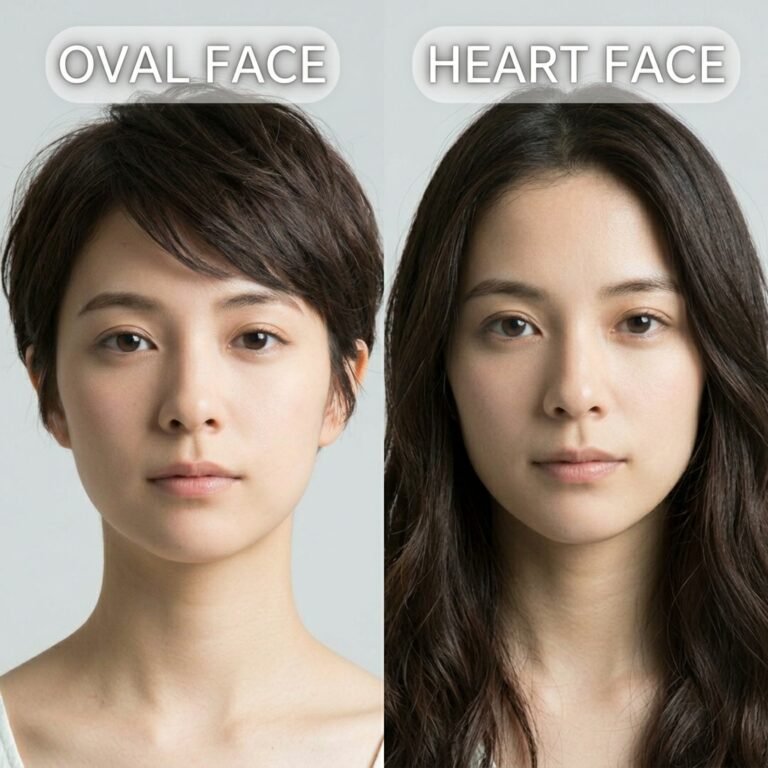
Face shape fine-tunes things from there. Round faces tend to love bobs that fall just below the chin, square jaws soften beautifully with wavy, textured short cuts, heart shapes shine with chin-length bobs and side-swept fringes, and oval faces can wear nearly anything, including the boldest crops.
One more thing people forget. Texture changes when the weight comes off. Waves spring up, curls can shrink by an inch or two, and cowlicks that long hair kept pinned down suddenly get a vote. A good stylist factors all of this in, which is exactly why the consultation matters so much.

The Best Short Haircuts to Start With
You do not have to leap straight to a pixie. Think of going short as a staircase, and pick the step that matches your courage today. Here are the five most reliable stops on the way down.

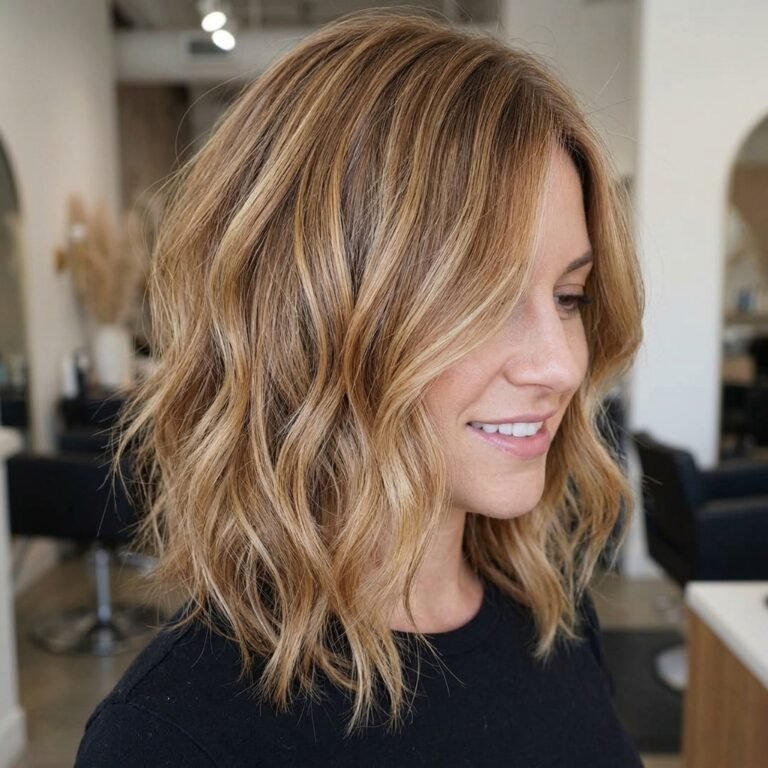
The Lob
The long bob, landing somewhere between the chin and collarbone, is the perfect first chop. It is short enough to feel dramatically lighter and fresher, yet long enough to still fit into a small ponytail, which is deeply reassuring for first-timers. A lob works on nearly every face shape and texture, grows out gracefully, and gives you an honest preview of how you feel with less hair. If you love life at lob length after a month or two, you have full permission to keep going shorter.

The Classic Blunt Bob
A one-length bob that hits at the jaw or just below it is the definition of a chic, deliberate short haircut. The strong blunt line makes hair look thicker and healthier, frames the jaw beautifully, and reads as polished with minimal styling. Straight hair wears it sleek, wavy hair wears it tousled, and both look completely intentional. Ask your stylist to keep a touch of extra length at the front if you want a subtly face-slimming angle. This is the cut for anyone who wants short hair that still feels elegant and versatile.

The French Bob
Cut at chin length or a whisper above, usually with soft wispy bangs, the French bob is the boldest bob on the menu and easily the most charming. It draws every eye to your cheekbones and jaw, pairs beautifully with both sleek and undone styling, and carries that effortless Parisian confidence that never really goes out of fashion. It suits anyone who wants a genuine statement without committing to a pixie, though be aware the fringe adds a small daily styling step to your routine.

The Bixie
Half bob, half pixie, the bixie is the modern bridge between the two. It keeps soft length through the top and around the ears while cropping the back and building lots of airy, feathered texture. The result is short, low-effort hair that still moves and can be tucked, tousled, or pushed back. It is a brilliant choice when a full pixie feels like too much exposure but a bob feels like not enough change, and it has quietly become one of the most requested short cuts in salons.
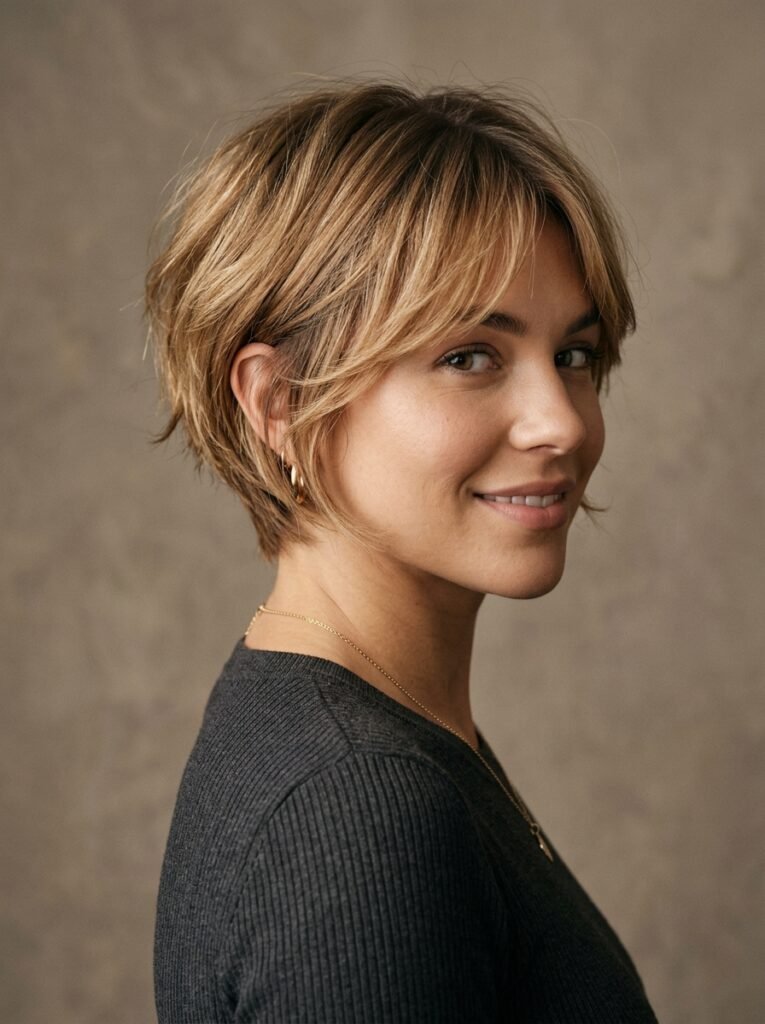
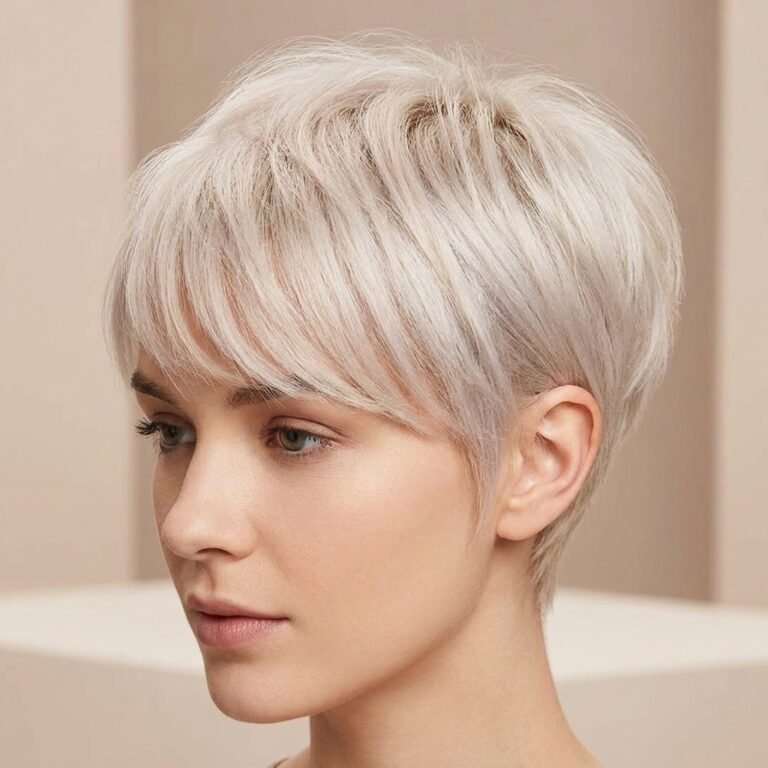
The Pixie
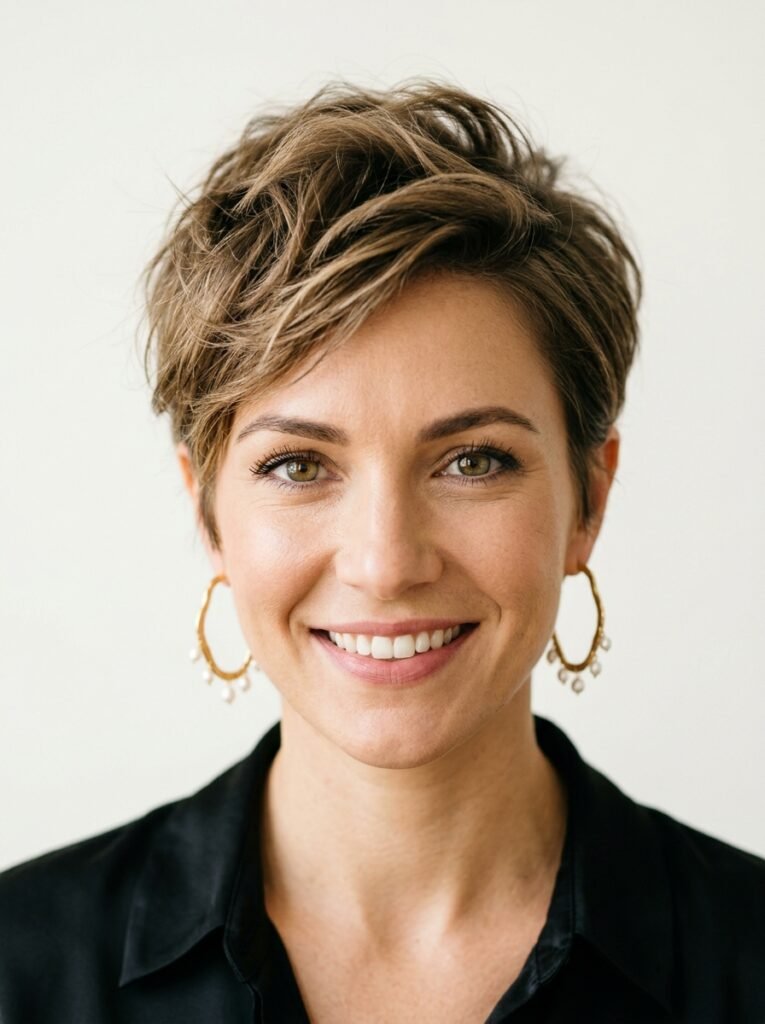
The pixie is the full leap, and for the right person it is pure freedom. With the length gone, all attention shifts to your eyes, cheekbones, and smile, and styling shrinks to a few minutes with a dab of paste or texture spray. Ask for softness, meaning a little length on top to play with and gentle edges around the face, rather than a severe uniform crop. Know that pixies need trims every four to six weeks to keep their shape, and that growing one out takes patience. Then enjoy the most liberating haircut there is.
How to Prepare Before the Appointment
A little preparation turns a scary appointment into an exciting one.
- Collect three to five photos of the cut you want, ideally on hair with a texture similar to yours, plus one photo of a short style you dislike.
- Book a consultation first for any dramatic change, and choose a stylist whose portfolio is full of short cuts they clearly love doing.
- If your ponytail is long enough, ask about donating it. Many organizations accept healthy hair of at least eight inches, and requirements vary, so check before the appointment. Turning your chop into a gift makes the whole day feel wonderful.
- Wear a top that makes you feel great and skip the bulky collar, since you will be staring at yourself with new hair above it for an hour.
- Schedule the appointment for a calm week, not the day before a wedding, an interview, or anything else involving photographers.
- Take a quick before photo. You will want it, either for the satisfying comparison or the growing-out motivation.
Walk in prepared like this and you have already avoided most big chop disasters.
What to Expect in the First Few Weeks
Nobody warns you about the strange, funny adjustment period after going short, so consider this your heads-up.
Expect phantom hair. You will reach back to pull length out of your collar that is no longer there, and you will grab a hair tie out of habit for at least a week. Everyone does it.
Expect a styling learning curve. Short hair is faster, but it is different. Bobs want a quick round brush or a soft bend from an iron, pixies want product and fingers instead of a hairbrush, and your first few attempts might feel clumsy. By week two your hands catch up.
Expect your products to change. You will use far less shampoo and conditioner than before, and you will probably add something new, like a texture spray or a light styling paste.
And expect a wave of emotion, in either direction. Some people feel instantly free, others feel a jolt of shock even when the cut looks fantastic. Give yourself the two-week rule before passing judgment. Wash it, style it yourself a few times, live in it. Almost everyone lands on love once the mirror stops surprising them.

Common Mistakes People Make When Going Short
The same missteps show up behind nearly every short hair regret story.
Chopping on impulse is the classic. The dramatic same-day cut after a hard week feels cinematic, but decisions made from a feeling rarely survive the feeling.
Skipping the consultation comes next. A dramatic change deserves ten minutes of honest conversation about your texture, cowlicks, and lifestyle before any scissors are involved.
Bringing one photo of a celebrity with a completely different face and hair type, then expecting an identical result, sets everyone up to fail. Bring several photos and talk about what you love in each one.
Underestimating maintenance surprises people too. Short cuts hold a precise shape, which means trims every four to eight weeks. Skip them and a sharp bob turns into a shapeless mushroom faster than you would believe.
Going shorter than your comfort level in one leap is another. The staircase exists for a reason, and there is no prize for skipping steps.
And finally, judging the cut on day one, styled by someone else, before you have lived with it. Give it the two weeks it deserves.
What Stylists Wish Every Big Chop Client Knew
Ask stylists who specialize in short hair and their advice is strikingly consistent.
A big chop is really a two-visit conversation. The first cut gets you safely short, and a follow-up a few weeks later refines the shape once your hair shows how it wants to behave at its new length. Build that second visit into your plan from the start.
Your texture will surprise you. Removing length changes how your hair sits, so trust your stylist when they adapt the photo to your reality rather than copying it strand for strand.
Short hair is not less feminine, less professional, or automatically aging. The right short cut sharpens features and usually reads as more confident, not less. Those old myths keep far too many people trapped in length they no longer enjoy.
And the clients who love their chop most are the ones who came in excited rather than escaping something. Cut toward a look you want, not away from a week you hated.
Frequently Asked Questions
How do I know if short hair will suit me?
Try the classic stylist test. Measure from below your ear to a pencil held horizontally under your chin. Less than two and a quarter inches means bobs and pixies will likely flatter you, while more suggests a longer bob is the safer starting point. A consultation confirms it.
Should I cut my hair short gradually or all at once?
Gradually is safer for your nerves. Moving from long hair to a lob, then a bob, then shorter lets you test each length before committing further. Cutting all at once makes sense if you are donating your hair or have wanted the short look for a long time.
How long does it take to grow out a short haircut?
Hair grows about half an inch per month. A pixie usually takes around a year to reach a bob and roughly two years to return to shoulder length, so treat a big chop as a season of your life rather than a weekend experiment.
Is short hair easier to maintain than long hair?
Daily styling is usually faster, and washing takes half the time. The trade-off is more frequent salon visits, since short cuts need trims every four to eight weeks to hold their shape. Easier day to day, a little more scheduled overall.
What should I do if I regret going short?
Wait two weeks before deciding anything, wash and style it yourself several times, and then ask your stylist for small refinements, since a minor reshape fixes most complaints. If you still want length back, headbands, earrings, and regular tidy-up trims make the grow-out far more graceful than it sounds.
Final Thoughts
Going short is not really about hair. It is about deciding you are allowed to look different, and then doing it thoughtfully enough that you actually get to enjoy the result.
Check your motivation, sit with the idea for a while, and run the quick suitability tests. Choose your step on the staircase, whether that is a gentle lob or the full pixie leap, and prepare for the appointment like the small event it is. Then give yourself two patient weeks on the other side.
Do all of that and the odds shift overwhelmingly in your favor. And if you do fall in love, welcome to the club nobody warns you about, the one where getting ready takes ten minutes, your neck sees sunlight, and every mirror feels like a small, pleasant surprise. Your scissors moment is waiting whenever you are ready for it.