Signs It’s Time for a Hairstyle Change After 40
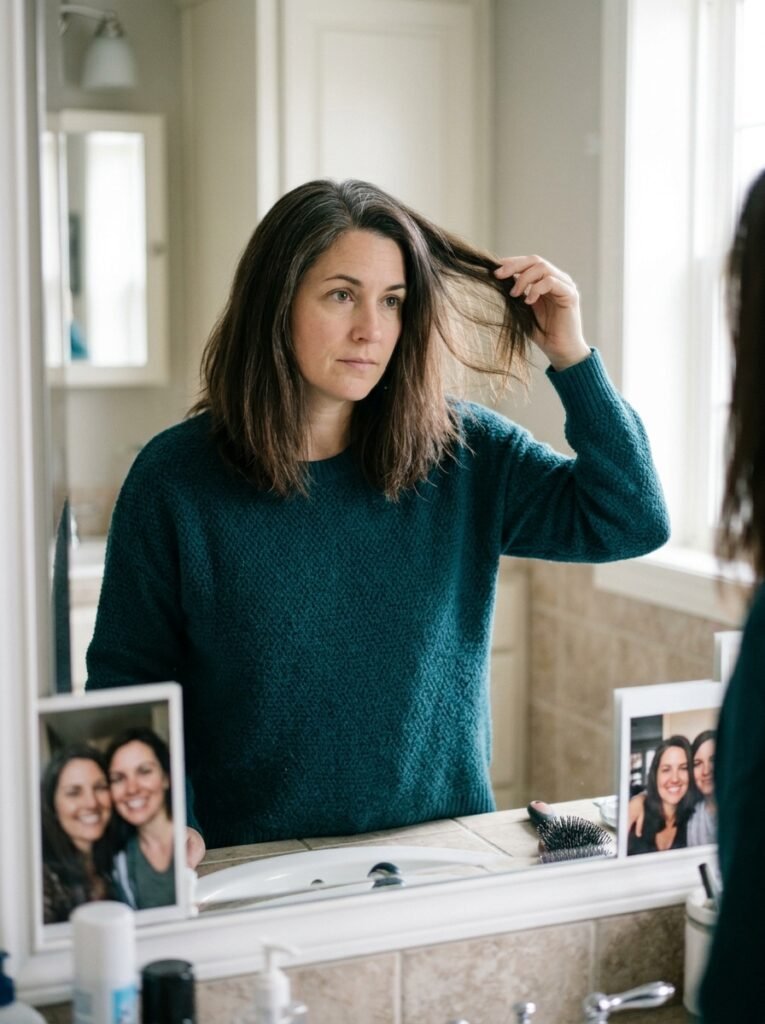
Most of us do not decide to change our hair. We simply keep the same style long after it stopped serving us, out of habit, out of busyness, and out of a vague fear that changing it might make things worse rather than better. Then one day a photo, a comment, or a frustrating morning in front of the mirror makes us wonder if we have been wearing the same hair for a decade without noticing.
Here is the reassuring part. Your hair genuinely changes after 40, in texture, density, and behavior, and a style that flattered you at 35 can quietly stop working without any dramatic moment announcing it. Recognizing that is not vanity. It is paying attention.
This guide walks through the honest signs that it might be time for a refresh, why hair shifts at this stage, what tends to work beautifully instead, and how to make a change you will actually love rather than regret.
Why Your Hair Changes After 40 in the First Place
Understanding what your hair is doing makes every other sign easier to read, so here is the honest biology without any gloom.
With time, individual strands gradually become finer and the scalp produces fewer of them, which is why many people notice their ponytail feeling slimmer through their forties. Hormonal shifts around this stage often accelerate the change. Grey strands frequently arrive with a different texture too, sometimes coarser or wirier, because the hair produces less of the natural oil that once kept everything smooth and shiny.
Hair also tends to get drier for that same reason, and growth slows a little, meaning tired ends hang around longer than they used to.
None of this is a problem to be fixed. It is simply a change of materials, and different materials call for different styling. A cut and color that suited thick, oily, fast-growing hair at 30 may genuinely not suit finer, drier, slower-growing hair now, which is the root of nearly every sign that follows. One note worth adding: gradual thinning is normal, but sudden or patchy shedding is worth a chat with your doctor, since it can have treatable causes.

Your Styling Routine Stopped Working
One of the clearest signs is a routine that used to work suddenly fighting you every morning.
Maybe your hair no longer holds a curl the way it once did, or your usual blow-dry falls flat within an hour, or the products that were reliable for years just stop delivering. This happens because your hair’s texture and density have changed, so the techniques and products calibrated for your old hair no longer match your current hair.
When your styling routine feels like a daily battle you keep losing, it is a strong signal that both your cut and your approach need to catch up with your hair as it is now. A fresh cut designed for your current texture, paired with updated products, often turns that frustrating routine back into an easy one. Sometimes the hair did not get harder to manage. The style just stopped fitting it.

Your Hair Looks Flat, Thin, or Lifeless
If your hair has lost the volume and body it once had and now falls flat and lifeless no matter what you do, that is one of the most common signs a change is overdue.
As hair naturally thins and becomes finer, long or heavy styles tend to drag it down, emphasizing the lack of volume and making everything look limp. The weight of length works against fine hair, pulling it flat against the head and reading as sparse.
The fix is usually a cut that removes some of that weight and builds in volume and movement. Shorter styles, strategic layers, and cuts designed to add fullness can transform flat, lifeless hair into something with body and bounce again. A layered bob, a lob, or a textured cut often brings hair back to life precisely because it stops working against your new texture. Volume, more than almost anything, is what reads as healthy and vibrant.

You’re Fighting Grey Instead of Working with It
Constantly battling grey regrowth, or feeling stuck with a color that no longer flatters you, is a clear sign it may be time to rethink both your color and your cut.
As grey comes in, many people find themselves locked into frequent root touch-ups that feel relentless, or realize their long-time hair color has started to wash them out as their skin tone shifts. Grey changes the game in two ways at once, altering both the color equation and often the texture.
There are several freeing directions here. You might embrace the grey with a modern cut and proper silver-toning care, transition gradually with highlights and lowlights that blend regrowth softly, or move to a warmer, more flattering shade that suits your complexion now. Any of these, paired with a cut that complements the change, can feel like a genuine reset. Fighting grey indefinitely is exhausting, and there is a more graceful option in every direction, whether that means keeping color or letting silver shine.

You’ve Had the Same Style for Years Without Thinking About It
Realizing you have worn essentially the same hairstyle for five, ten, or more years, not by deliberate choice but by pure habit, is one of the most telling signs of all.
It is easy to fall into a hair routine and simply stop questioning it, especially during busy years of career and family. The style becomes invisible to you through sheer familiarity, and you stop noticing whether it still flatters you or whether it has quietly dated. Meanwhile hair, faces, and trends all move on.
If you cannot remember the last time you meaningfully changed your hair, it is worth asking whether the current style still genuinely suits you or whether you are simply used to it. A style that fit your face, your texture, and your life years ago may not fit any of them now. Sometimes the most refreshing thing you can do is step back, look with fresh eyes, and consider a change that reflects who you are today.

Your Face Shape and Features Have Evolved
Faces change subtly over time, and a hairstyle that once perfectly framed your features may no longer be doing them any favors.
The right adjustments make a real difference. Softer layers, face-framing pieces, a length that lifts rather than drags, and a flattering part can all rebalance a style around your face as it is today. This is exactly where a skilled stylist earns their keep, assessing your current features and recommending a cut that frames them beautifully now. The goal is never to fight how your face has changed, but to flatter it, and small shifts often accomplish that surprisingly well.

You Feel Like You’ve Lost a Bit of Yourself
Sometimes the sign is not about the hair at all. It is about feeling like your outside no longer matches your inside, and that a refresh might help you feel more like yourself again.
Many people reach a stage where they feel a little invisible, stuck, or simply ready for something new, and a hair change can be a genuinely powerful and uplifting way to mark a fresh chapter. Hair is deeply tied to identity and confidence, and a style that feels current and intentional, rather than tired and default, can noticeably lift how you feel about yourself.
If you find yourself craving change or feeling disconnected from your reflection, a new hairstyle can be a small but meaningful act of self-expression and renewal. This is not superficial. Feeling confident and vibrant in your own appearance genuinely matters at any age, and a change made from that place, one of renewal rather than pressure, is almost always one you will love.
What Tends to Work Beautifully After 40
If the signs are resonating, here is the encouraging news about what flatters most people at this stage, so you walk into the salon with ideas rather than anxiety.
Volume and movement are the priorities, since they are exactly what hair tends to lose. Cuts that add body and bounce, whether a layered bob, a lob, a textured shag, or a soft pixie, consistently look fresh and youthful. Softness flatters more than severity, so gentle layers, wispy edges, and face-framing pieces tend to suit evolving features far better than harsh, blunt lines.
Brightness around the face is transformative too. Whether through a warm gloss, subtle highlights, dimensional color, or beautifully maintained silver, light near the face lifts the complexion. Curtain bangs are a gentle, low-commitment way to update a look. And the best cut is one that fits your real life, comfortable to style on ordinary mornings, because a style that only works after an hour of effort rarely lasts.
None of this requires going dramatically short or making a radical change. Sometimes the perfect update is a subtle one.

Practical Tips for Making a Change You’ll Love
A few smart steps make a hair change feel exciting rather than risky.
- Collect three to five photos of styles you love, ideally on people with a similar hair texture and stage of life.
- Book a proper consultation before committing, so your stylist can assess your texture, face shape, and lifestyle.
- Consider your color and cut together, since updating both at once often has the most transformative effect.
- Make dramatic changes in stages if you are nervous, moving to a lob before a bob, or a bob before a pixie.
- Be honest about how much time you will actually spend styling, and choose a cut that fits that reality.
- Update your products alongside your cut, since new texture usually calls for new formulas to look its best.
A little preparation turns a leap of faith into a confident, well-informed decision.
Common Mistakes People Make When Changing Their Hair After 40
A few missteps trip people up, and all are easily avoided.
Clinging to a style out of fear tops the list, keeping hair that no longer flatters simply because change feels risky, when a thoughtful update is usually far more rewarding than expected.
Making an impulsive dramatic change is the opposite trap, chopping it all off or going radically different on a whim, which can lead to regret without a proper consultation first.
Ignoring texture changes is common, choosing a style based on the hair you used to have rather than the hair you have now, which leaves the cut fighting your current texture.
Fearing short hair unnecessarily holds many back, ruling out flattering shorter cuts entirely, when the right short style can be genuinely rejuvenating.
Trying to look younger instead of current catches people out, chasing a much younger look rather than a fresh, modern one that suits them, which rarely lands the way they hope.
And skipping the color conversation is the quiet one, updating the cut while keeping a color that no longer flatters, missing half the transformation available to them.
What Stylists Wish Every Client Over 40 Knew
Stylists who work with this age group daily tend to repeat the same wisdom.
Change is not something to fear. A good stylist guides you toward a flattering update rather than a drastic gamble, so the process is far less risky than it feels from the outside.
Volume and softness are the real fountain of youth, far more than length or trend-chasing. Any change that adds body and gentle movement almost always flatters.
Your hair has genuinely changed, so your style should evolve with it. The most flattering results come from working with your current texture and density rather than clinging to what your hair used to do.
Brightness near the face lifts everything. Whether from color or well-kept silver, light around the front rejuvenates the complexion in a way that is hard to overstate.
And the goal is to look like the best version of yourself now. There is no such thing as age-appropriate hair, only hair that makes you feel confident and vibrant, and that is the entire point of a change.
Frequently Asked Questions
How do I know if I need a new hairstyle after 40?
Common signs include a styling routine that suddenly stops working, hair that looks flat and lifeless, constant battles with grey, wearing the same style for years out of habit, and feeling disconnected from your reflection. Any of these suggests your hair has changed and your style should evolve with it.
Why has my hair changed so much after 40?
Hair naturally becomes finer and less dense over time, often accelerated by hormonal shifts, while grey strands can bring a coarser texture and the scalp produces less oil, leaving hair drier. These changes mean a cut and color that suited you years ago may no longer flatter your current hair.
What hairstyles work best after 40?
Cuts that add volume, movement, and softness tend to work beautifully, such as a layered bob, a lob, a textured shag, or a soft pixie. Face-framing layers, curtain bangs, and brightness around the face through color or dimensional highlights are also consistently flattering.
Should I go shorter with my hair after 40?
Not necessarily, but shorter cuts often flatter because they remove the weight that drags fine hair flat and build in volume. That said, length can absolutely work if it is healthy and styled with layers, so the right choice depends on your texture, face, and preference.
Is changing my hairstyle worth it after 40?
For many people, yes. A thoughtful update can restore volume, flatter your evolving features, simplify a frustrating routine, and genuinely lift your confidence. When a change is made from a place of renewal rather than pressure, it tends to be one you truly love.
Final Thoughts
The signs it might be time for a hairstyle change after 40 are rarely dramatic. They show up as a routine that stopped working, hair that falls flat, an endless grey battle, a style worn on autopilot, features that have gently evolved, or simply a quiet sense that your reflection no longer matches how you feel inside.
None of these are cause for worry. Your hair has changed, which is completely natural, and letting your style evolve alongside it is one of the most rewarding things you can do. Volume, softness, brightness near the face, and a cut that fits your real life tend to flatter beautifully, and none of it requires a radical leap.
If the signs resonate, gather your photos, book a proper consultation, and consider your cut and color together. A change made thoughtfully, from a place of renewal rather than pressure, can leave you feeling more confident, more current, and more like yourself than you have in years. Your most vibrant hair era is not behind you. It is entirely available whenever you decide to reach for it.