Going Gray Gracefully: Blending, Coloring, and Caring for Silver Strands
At some point, gray hair shows up whether you were ready for it or not. For some people it starts as one stray strand in their late twenties. For others, it arrives gradually through their thirties and forties until one day there’s a noticeable section of silver at the temples or part line. However it happens, the question that follows is almost always the same. Do you cover it, blend it, or just let it grow in fully and embrace it.
The good news is there’s no single right answer here, and the options for handling gray hair have never been better. Blending techniques have come a long way from the flat, uniform gray coverage of years past. Whether you want to soften the transition, blend gray in with your natural color, or go fully silver in a way that actually looks intentional, this guide covers exactly how to do it well.
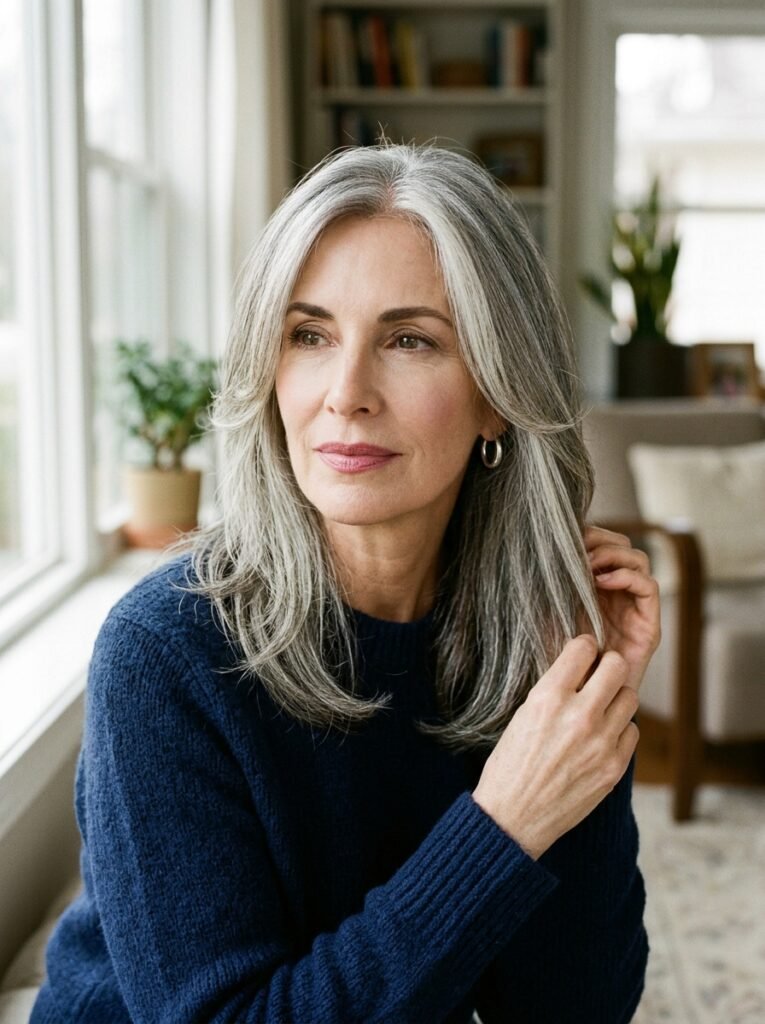
Why Blending Has Become the Go To Approach
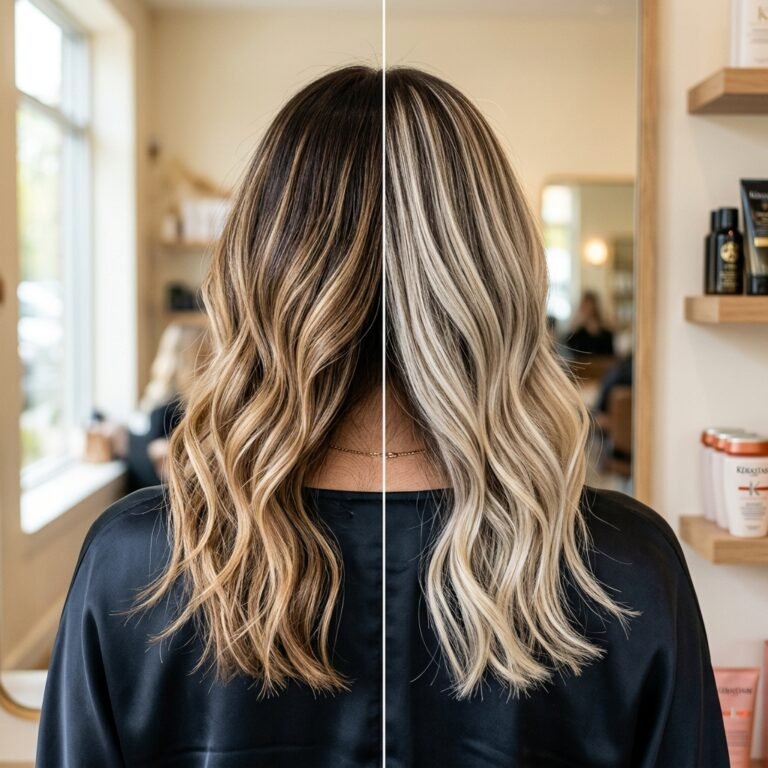
Traditional gray coverage used to mean fully dyeing hair back to its original color every few weeks, which often looked flat, overly uniform, and required constant upkeep as roots grew in. Blending takes a completely different approach. Instead of hiding gray hair entirely, blending techniques mix gray strands in with lowlights, highlights, or soft color placement so the gray looks like a natural part of the overall color pattern rather than something being covered up.
This shift matters for a few reasons. It requires far less maintenance than full coverage color, since regrowth blends in rather than creating an obvious line at the root. It also tends to look more natural overall, since real hair rarely grows in one flat, uniform shade. Blending mimics that natural variation instead of fighting against it.
Many people find blending appealing because it offers a middle ground. You don’t have to fully commit to solid gray coverage, and you don’t have to grow out every single gray hair either. It’s a flexible approach that can be adjusted over time as your gray percentage increases.

Understanding Your Gray Hair Before You Start
Not all gray hair behaves the same way, and understanding your specific situation makes a huge difference in choosing the right blending or coloring approach.
How Much Gray You Actually Have
Gray coverage typically gets categorized by percentage, and this matters because different techniques work better at different stages. Under thirty percent gray is usually easiest to blend using subtle highlights or lowlights. Between thirty and fifty percent often benefits from a more structured blending pattern, since there’s enough gray to create noticeable contrast without help. Over fifty percent gray usually needs a more intentional strategy, whether that means embracing a fuller silver look or using more concentrated color placement to maintain a blended appearance.
Knowing roughly where you fall on this spectrum helps you and your stylist choose a realistic starting point, rather than trying to apply a technique meant for minimal gray onto a head that’s already significantly grayed.

Gray Hair Texture Is Different
Gray hair isn’t just a color change. It’s often a texture change too. Gray strands tend to be coarser, sometimes wirier, and can feel noticeably different from the rest of your hair. This happens because the follicle changes structurally when it stops producing melanin, which is the pigment responsible for hair color.
This texture difference matters for coloring and blending because gray hair often absorbs color differently than pigmented hair. It can grab certain tones more intensely or resist others, which is part of why gray blending sometimes takes a bit of trial and error to get the tone exactly right.

Where Your Gray Grows In First
Most people notice gray hair starting around the temples and hairline before spreading elsewhere, though everyone’s pattern is a little different. Knowing where your gray concentrates helps determine where blending techniques should focus the most attention, since these areas are usually the most visible and the first to show regrowth.
Blending Techniques That Actually Work
There are several proven approaches to blending gray hair, and the right one for you depends on your hair color, how much gray you have, and how much maintenance you’re willing to commit to.
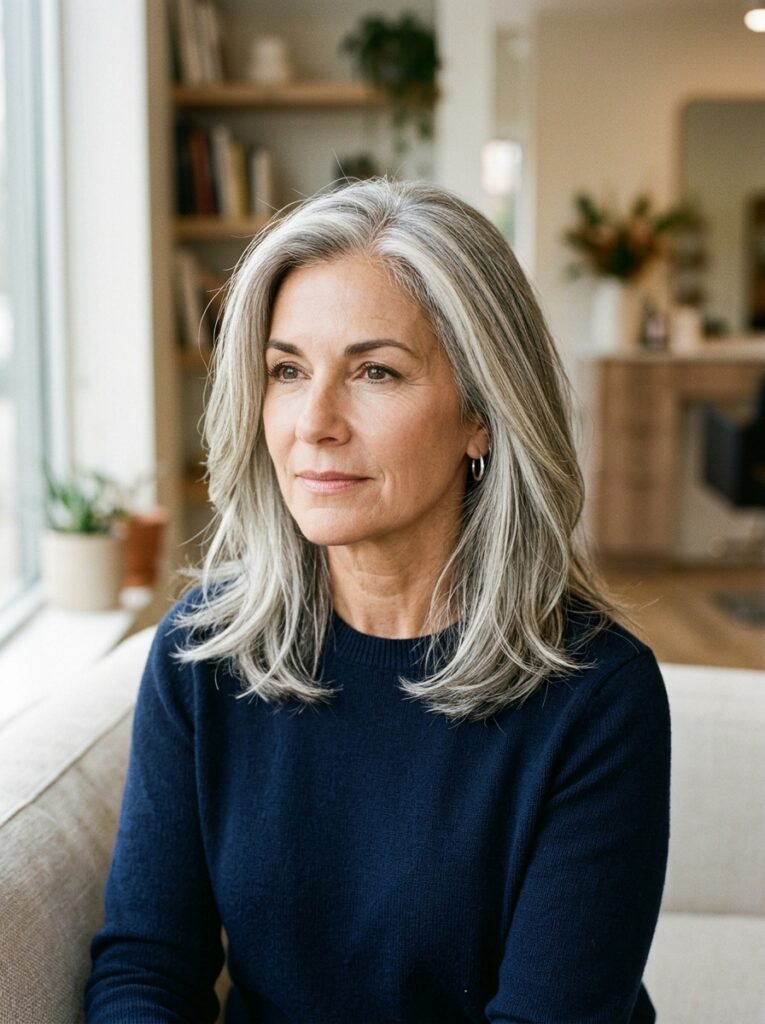
Lowlights to Add Depth
Lowlights involve adding slightly darker pieces of color throughout the hair, which creates dimension that helps gray blend in naturally. Instead of one flat color, lowlights break up the gray with strands of a deeper shade, making the overall look feel more textured and less like a solid block of gray or a solid block of dye.
This technique works particularly well for people with darker natural hair who are just starting to gray, since the contrast between the lowlights and the gray creates a natural looking salt and pepper effect rather than an obvious two tone look.
Highlights to Soften Contrast
Highlights work in the opposite direction, adding lighter pieces throughout the hair that blend with gray strands rather than fighting against them. This is especially effective for people with lighter natural hair colors, like blonde or light brown, since the highlights and the gray can blend together almost seamlessly.
Babylights, which are extremely fine, subtle highlights, have become particularly popular for gray blending because they create soft, gradual color variation without looking like a dramatic change all at once.
Balayage for a Grown Out, Natural Look
Balayage is a hand painted highlighting technique that creates a soft, gradual transition rather than the more uniform pattern of traditional foil highlights. For gray blending, balayage works beautifully because it mimics the way gray naturally grows in, meaning there’s no harsh line when new growth appears.
This technique has become one of the most popular choices for people transitioning to gray, since it allows for a much longer stretch between salon visits without an obvious regrowth line.
Color Melting for Seamless Transitions
Color melting blends multiple shades together so they transition smoothly from one to the next, rather than having distinct sections of color. When used for gray blending, this technique softens the line between your natural pigmented hair and your gray sections, creating a gradual fade rather than an abrupt change.
This approach works especially well for people who are somewhere in the middle of their gray transition, since it helps bridge the visual gap between old color and new natural gray growth.
Full Silver Blending for Advanced Gray
For people with a significant amount of gray who want to embrace it fully while still looking polished, a technique sometimes called silver blending or gray blending toner comes into play. This usually involves a semi permanent toner applied specifically to neutralize any yellow or brassy tones that can appear in gray hair, while also creating a more uniform, cohesive silver tone throughout.
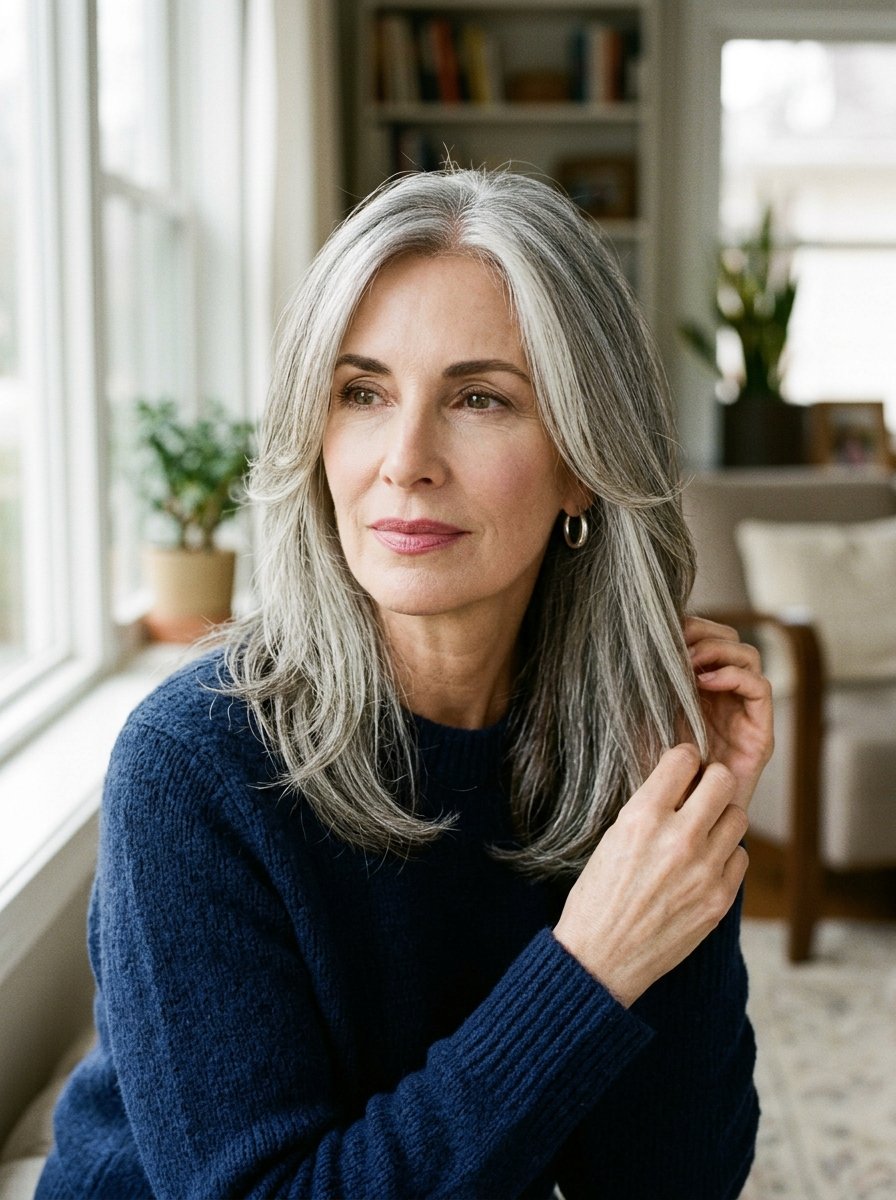
This approach isn’t about hiding gray at all. It’s about enhancing the natural silver or white tones so they look bright and intentional rather than dull or yellowed.
Coloring Approaches Beyond Blending
Blending isn’t the only route. Depending on your goals, full color or a modified coverage approach might make more sense.

Semi Permanent Color for a Softer Commitment
Semi permanent color deposits pigment onto the hair without lifting or lightening it, which means it fades gradually over several weeks rather than creating a hard regrowth line. This option works well for people who want to tone down the appearance of gray without a long term commitment, since it naturally fades and requires reapplication rather than growing out visibly.
Demi Permanent Color for Longer Lasting Results
Demi permanent color lasts longer than semi permanent formulas and processes slightly differently, often using a small amount of developer to help the color adhere better to gray strands. This option tends to offer better gray coverage than semi permanent color while still being gentler than full permanent color.
Permanent Color for Full Coverage
For people who prefer complete gray coverage rather than blending, permanent color remains the most reliable option. It fully changes the hair pigment and requires regular root touch ups, usually every four to six weeks, to maintain even coverage as new gray growth comes in.
Root Smudging and Root Shadowing
These techniques focus specifically on softening the root area where regrowth is most visible. Rather than coloring the entire head, root smudging blends a soft shadow of color right at the root, which helps disguise new gray growth between full color appointments.
Choosing the Right Approach for Your Hair Color
The best blending or coloring technique often depends heavily on your natural hair color and how your gray is growing in.
If you have naturally dark hair, lowlights combined with subtle babylights around the face tend to create the most natural looking blend, since the contrast between dark and gray needs some softening in both directions.
If you have naturally light or blonde hair, gray often blends in almost effortlessly with the right balayage or highlight placement, since light gray strands don’t contrast as sharply against blonde tones.
If you have red or auburn hair, gray blending can be a bit more complex, since red pigments fade differently and gray can sometimes create a more noticeable contrast. A skilled colorist often uses warm toned lowlights to bridge this gap smoothly.
If you’re mostly or fully gray already, focusing on toning and shine rather than traditional color blending usually produces the best results, since the goal shifts from disguising gray to enhancing the silver tones already present.
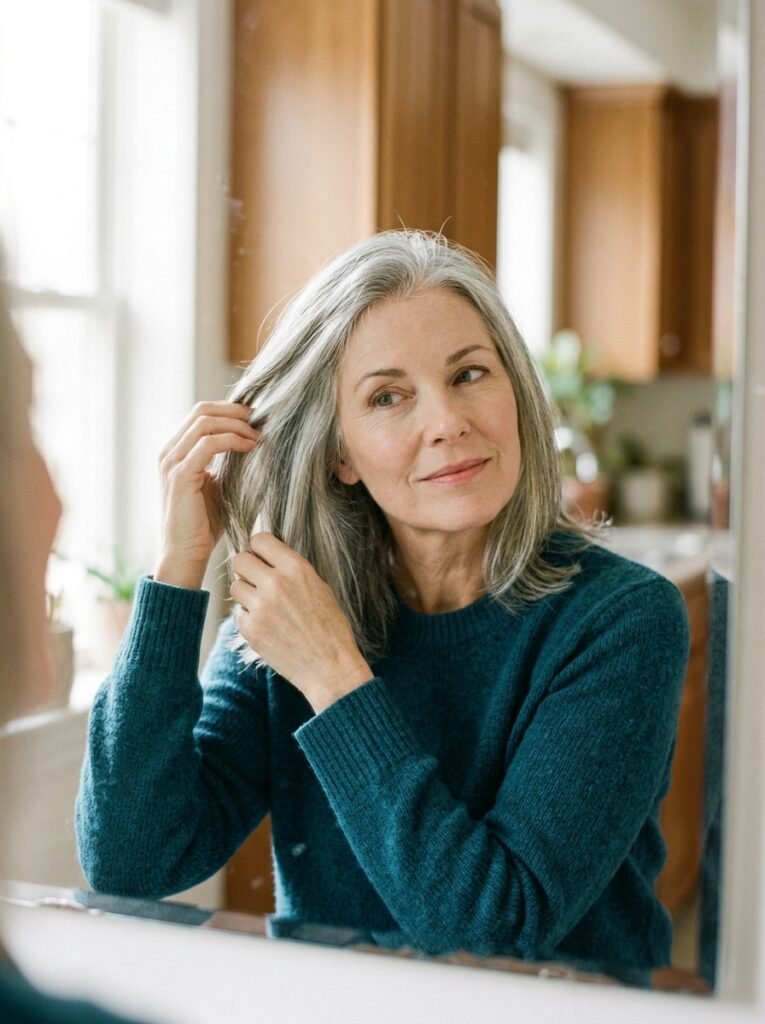
Caring for Gray and Silver Hair
Gray hair has different needs than pigmented hair, and understanding this is key to keeping it looking healthy, bright, and free of unwanted brassiness.
Use Purple or Blue Toning Products
Gray and white hair are prone to picking up yellow or brassy tones over time, especially with sun exposure, certain hair products, or hard water. Purple shampoo and conditioner help neutralize these unwanted warm tones, keeping gray hair looking bright and cool toned rather than dull or yellowed.
It’s worth starting with these products once or twice a week rather than daily, since overuse can sometimes leave a slight purple cast, especially on lighter or fully white hair.
Prioritize Moisture
As mentioned earlier, gray hair often has a coarser texture that can feel drier than pigmented hair. Rich, moisturizing shampoos and conditioners help keep strands soft and manageable. Weekly deep conditioning treatments are especially beneficial for gray hair, since they help combat the dryness and slight brittleness that can come with the texture change.
Protect From Sun Exposure
Gray hair is more susceptible to visible sun damage and yellowing than pigmented hair, since there’s no natural melanin left to help protect the strand. Wearing a hat during long sun exposure or using UV protectant hair products helps prevent unwanted discoloration, especially during summer months.
Choose the Right Styling Products
Certain styling products, particularly those containing alcohol or heavy silicones, can build up on gray hair and contribute to dullness over time. Lightweight, sulfate free products tend to work best, helping maintain shine without weighing down the hair or leaving residue that dulls the natural silver tone.
Get Regular Trims
Because gray hair can be more prone to dryness and breakage, regular trims help keep ends looking healthy and prevent split ends from making the hair look more frizzy or unkempt than intended.
The Growing Out Process
For people transitioning from colored hair to embracing their natural gray, the growing out phase is often the most challenging part, both visually and emotionally. Having a plan makes this transition much smoother.
The Two Tone Phase Is Temporary
The most common frustration during the grow out process is dealing with an obvious line between old color and new gray growth. This phase is temporary, and there are several ways to make it more manageable in the meantime.
Consider a Transitional Haircut
Many people find that gradually cutting their hair shorter throughout the grow out process helps minimize the appearance of the two tone phase, since less of the old colored length remains at any given time. Some choose to do this gradually with regular trims, while others opt for a more dramatic cut to speed up the process.
Use Blending Techniques During Transition
This is where lowlights, highlights, and balayage become especially useful, since they can be strategically placed to soften the line between old color and new gray growth while you wait for it to grow out naturally.
Be Patient With the Timeline
Hair typically grows about half an inch per month, meaning a full transition from colored hair to fully grown out gray can take anywhere from one to two years depending on your starting hair length and how much color needs to grow out. Many people choose to use blending techniques throughout this entire period rather than trying to speed through it, since it keeps hair looking intentional the whole way through.
Common Mistakes People Make With Gray Hair
Even with good intentions, a few recurring mistakes show up often when people are figuring out how to handle their gray hair.
Trying to fully cover gray with one flat color. This often looks more obvious than blending, since gray hair rarely comes in as a uniform shade, and flat color coverage doesn’t account for that natural variation.
Skipping toning products. Many people don’t realize how quickly gray hair can pick up brassy or yellow tones, especially in the summer months or with certain water conditions. Skipping purple shampoo often leads to duller, less vibrant looking gray.
Cutting corners on moisture. Because gray hair often has a coarser texture, using the same lightweight products that worked before graying can leave hair feeling dry and difficult to manage.
Rushing the grow out process. Chopping all hair off immediately to skip the transition phase can feel like a shock for some people. A gradual approach with blending techniques tends to feel more comfortable for most.
Choosing a colorist without gray blending experience. Not every colorist specializes in gray blending techniques, and choosing someone with specific experience in this area tends to produce far better, more natural looking results.
Expert Insight: Gray Hair Is Not One Single Color
One of the most helpful mindset shifts when it comes to gray hair is understanding that gray is rarely just one uniform shade. Natural gray hair often contains a mix of white, silver, and even some remaining pigmented strands, creating natural variation similar to how blonde or brunette hair naturally has subtle tonal differences throughout.
Experienced colorists use this understanding to their advantage, using multiple tones during blending rather than trying to match gray to one single flat shade. This is part of why professionally blended gray hair often looks more dimensional and healthy compared to a uniform, flat gray tone achieved through basic at home coloring. Working with this natural variation, rather than against it, tends to produce the most believable and low maintenance results.
Practical Tips for Maintaining Blended or Gray Hair
A few consistent habits make a noticeable difference in how gray or blended hair looks and holds up over time.
Schedule root touch ups or toning appointments every six to eight weeks if you’re using blending techniques, since this keeps the transition looking fresh without requiring the frequent upkeep of full color coverage. Invest in a good purple or blue toning shampoo specifically formulated for gray or silver hair, since these products vary quite a bit in strength and effectiveness. Deep condition weekly to combat the natural dryness that often comes with grayer, coarser hair texture. Talk to your colorist about which blending technique fits your specific gray pattern and percentage, since a technique that works beautifully for someone at twenty percent gray may not translate the same way at seventy percent gray. Protect your hair from excessive heat styling, since gray hair can be more prone to damage and dryness than pigmented hair.
Frequently Asked Questions
What is the best way to blend gray hair naturally?
Techniques like balayage, lowlights, and babylights tend to work best for natural looking gray blending, since they create soft, gradual color variation rather than a flat, uniform look.
How much gray hair is needed before blending techniques work well?
Blending can work at almost any percentage of gray, though the specific technique often changes depending on how much gray is present. Lower gray percentages usually blend well with subtle highlights, while higher percentages often benefit from more structured color placement.
Does gray hair need different hair care products?
Yes, gray hair tends to be coarser and more prone to dryness and yellowing, so moisturizing products and purple or blue toning shampoos are usually recommended.
How long does it take to fully transition to gray hair?
Depending on hair length and starting color, a full transition typically takes between one and two years, though blending techniques can make the process look intentional throughout.
Can gray hair be colored the same way as pigmented hair?
Not exactly. Gray hair often absorbs color differently due to its texture, so many colorists adjust their formulas and techniques specifically to account for this difference.
Is it better to embrace gray hair fully or keep blending it?
This really comes down to personal preference. Some people prefer to fully embrace their natural gray with toning treatments, while others enjoy the flexibility that blending offers as their gray percentage continues to change over time.
Conclusion
Going gray doesn’t have to mean choosing between hiding it completely or accepting a flat, undesirable look. With the right blending techniques, from lowlights and balayage to color melting and toning treatments, gray hair can look just as dimensional, healthy, and intentional as any other hair color.
Whether you’re just starting to notice a few silver strands or you’re several years into your gray journey, there’s a blending or coloring approach that can work with where you are right now. The key is understanding your specific gray pattern, choosing techniques that complement your natural hair color, and giving your hair the extra care it needs along the way. Gray hair, when cared for and blended thoughtfully, can be every bit as beautiful as the color it’s replacing.