Why Your Hair Color Fades So Fast (And How to Make It Last)
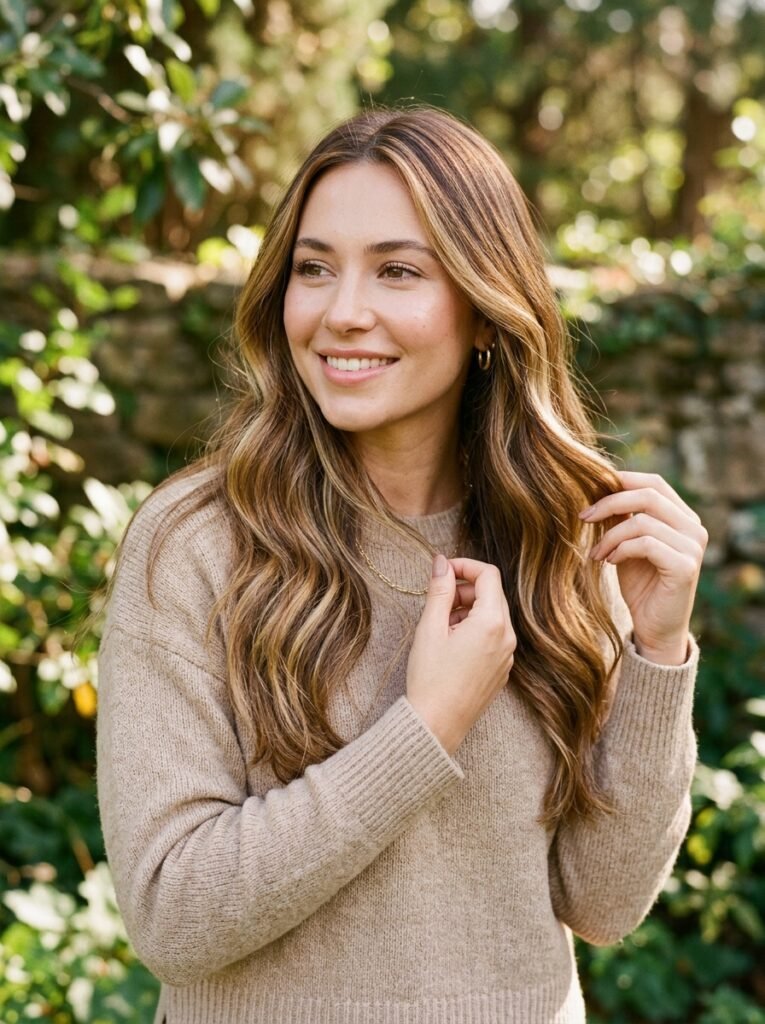
You walk out of the salon feeling like a completely different person. The color is rich, glossy, exactly what you pictured on the inspiration board. Then two weeks later you catch your reflection in an elevator mirror and think, wait, when did this get so dull?
If that timeline sounds painfully familiar, you’re not imagining things and you’re definitely not doing something uniquely wrong. Color fading fast is one of the most common frustrations people bring up after a salon visit, and there are actual, fixable reasons behind it.
Let’s get into what’s really happening to your color, and what genuinely helps it stick around longer.
The Honest Reason Color Doesn’t Last Forever
Hair color, whether it’s permanent, semi-permanent, or somewhere in between, works by depositing pigment into or onto the hair shaft. Permanent color opens the hair cuticle and deposits color molecules inside, while semi-permanent color mostly coats the outside.
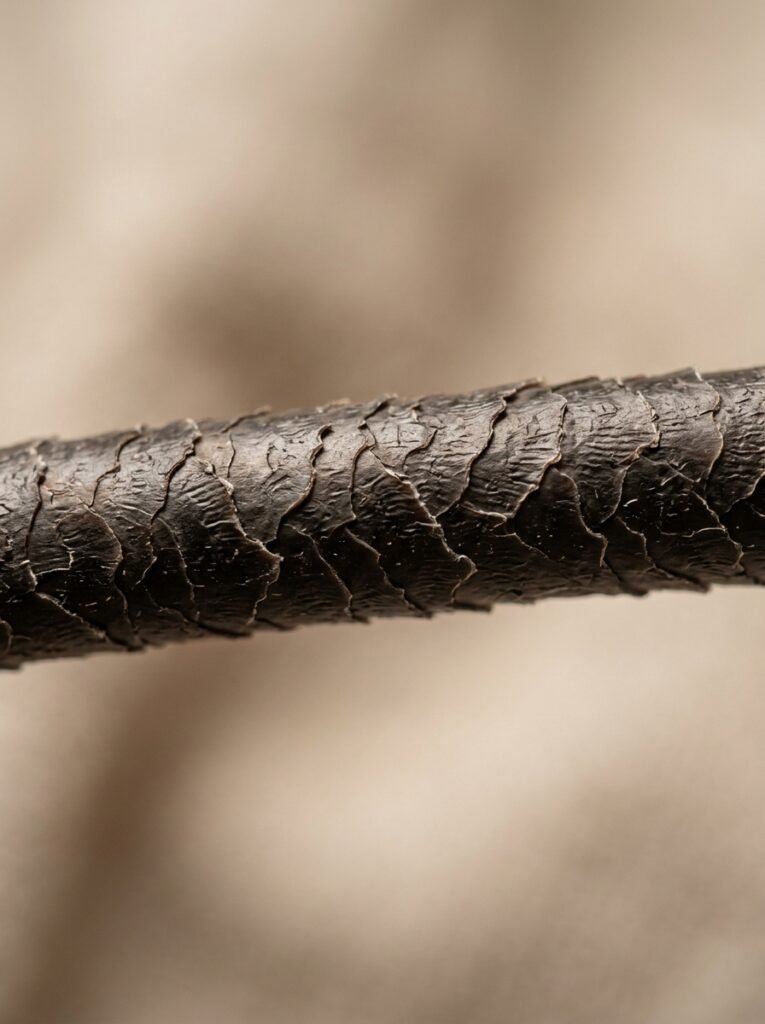
Either way, every wash, every bit of sun exposure, and every pass of a hot styling tool chips away at that pigment a little. The cuticle, which is the outer layer of your hair, naturally lifts slightly with heat, water, and friction, and every time it lifts, a bit of color molecule escapes.
This is completely normal. Color was never meant to be permanent in the sense of never changing. What separates fast fading from gradual, graceful fading usually comes down to a handful of habits that either protect that cuticle or work against it.
Your Hair’s Porosity Might Be Working Against You Too
Porosity is one of those terms that gets thrown around a lot without much explanation, but it genuinely matters for color longevity. Porosity refers to how easily your hair’s cuticle allows moisture, and by extension color molecules, to move in and out.
Highly porous hair, often the result of previous bleaching, chemical treatments, or just years of heat styling, has a cuticle that’s raised and a little rough rather than smooth and flat. That rougher surface actually absorbs color quickly at first, but it also lets it escape just as fast, which is part of why previously colored or damaged hair sometimes fades faster than healthy, virgin hair.
Low porosity hair, on the other hand, has a tightly closed cuticle that can resist color absorption initially but tends to hold onto whatever does get deposited for longer once it’s in.
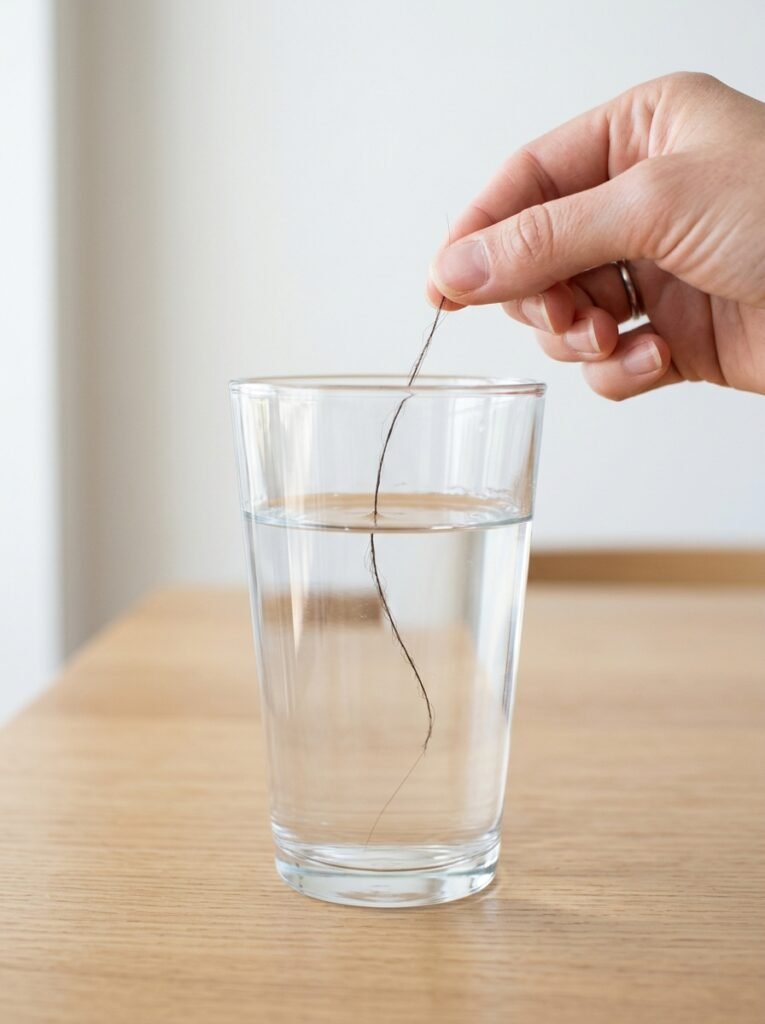
A simple way to get a rough sense of your porosity is the float test. Drop a clean strand of hair into a glass of water. Hair that sinks quickly tends to be more porous, while hair that floats near the surface for a while tends to be less porous. It’s not a lab-grade test, but it gives you a general idea of what you’re working with, and a good colorist will often be able to tell just by handling your hair during a consultation.
If your hair runs high porosity, leave-in treatments and bond-building products between color sessions can help smooth the cuticle down, which in turn helps new color hold on longer the next time you’re in the chair.
Hot Water Is Quietly Undoing Your Salon Visit
This is probably the single biggest culprit, and also the easiest one to fix. Hot water opens the hair cuticle more aggressively than warm or cool water, which means more color washes straight down the drain every single time you shower.
That satisfying scalding hot shower might feel amazing, but it’s doing your color no favors. Rinsing with lukewarm or even cool water, especially during the final rinse after conditioner, helps seal the cuticle back down and locks pigment in rather than letting it wash away.
You don’t need to suffer through an ice-cold rinse every day. Even just turning the temperature down a notch during hair-focused parts of your shower makes a noticeable difference over a few weeks.
Washing Too Often Speeds Everything Up
Every wash is an opportunity for color to fade a little more, so the math here is pretty straightforward. Washing daily means significantly more fading over a month than washing two or three times a week.
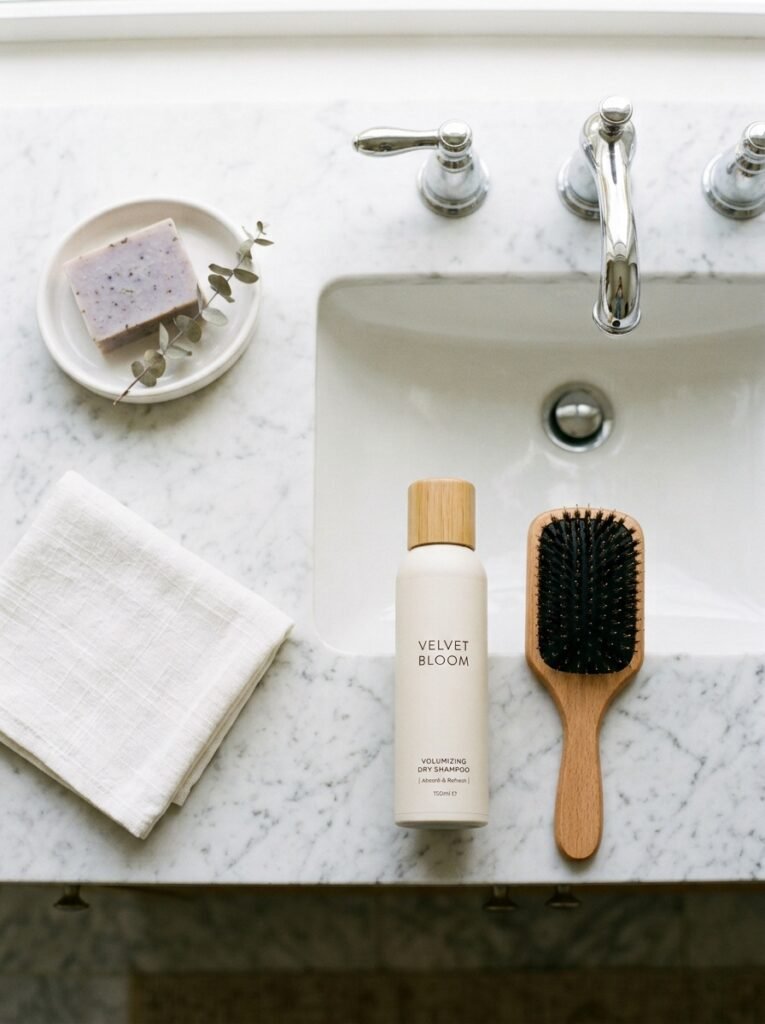
Stretching out washes with dry shampoo on off days, or simply training your hair to go a bit longer between washes, slows the whole process down considerably. If your scalp gets oily fast, focus dry shampoo right at the roots and let the color further down the hair shaft stay untouched for longer.
Sun Exposure Fades Color Faster Than Most People Realize
UV rays don’t just fade fabric and furniture. They break down hair pigment molecules too, both your natural color and anything applied at the salon. This is especially noticeable with reds and coppers, which tend to be some of the fastest fading shades to begin with.
If you’re spending a lot of time outside, especially during summer months, a UV-protectant hair spray or simply wearing a hat during peak sun hours can slow this down significantly. It sounds like a small thing, but consistent sun exposure over weeks adds up to a real difference in how quickly a fresh color looks tired.
The Wrong Shampoo Can Undo the Whole Appointment
A lot of people don’t realize how much their everyday shampoo affects color longevity. Regular shampoos, especially ones with strong detergents like sulfates, strip color out fast and aggressively, sometimes within just a few washes.
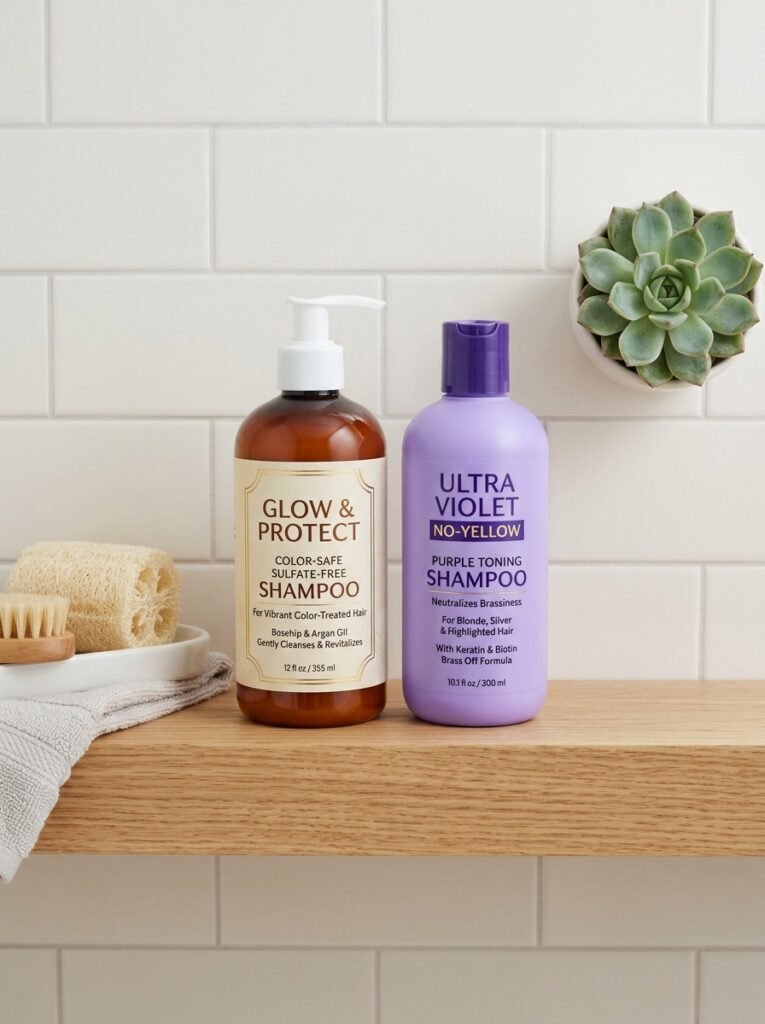
Switching to a sulfate-free, color-safe shampoo is one of the most effective, lowest-effort changes you can make. These formulas clean hair without stripping it as harshly, which means the pigment your colorist worked hard to place actually gets a chance to stick around.
If you have a specific tone you’re trying to maintain, like a cool blonde or a vibrant red, a color-depositing or purple shampoo used once a week or so can also help refresh tone between salon visits, rather than letting it drift toward brassy or dull.
Chlorine and Salt Water Are Sneaky Culprits
Pool and ocean trips are a classic color disaster waiting to happen, and it’s not just about the sun exposure that comes with them. Chlorine especially can react with hair pigment in unpredictable ways, sometimes causing color to shift tone entirely, not just fade.
Wetting your hair with clean water before swimming helps, since already-saturated hair absorbs less chlorinated or salt water than dry hair does. A leave-in conditioner or protective oil applied beforehand adds another layer of defense, and rinsing thoroughly right after getting out of the water helps limit how long chlorine or salt sits against your strands.
If pool days are a regular part of your summer, consider a swim cap for the days when you’re doing actual laps rather than just floating around, and keep a bottle of clarifying shampoo on hand for occasional deep cleans that remove mineral buildup chlorine tends to leave behind. That buildup alone can make color look dull even when fading itself isn’t the main issue.
Heat Styling Bakes the Color Right Out
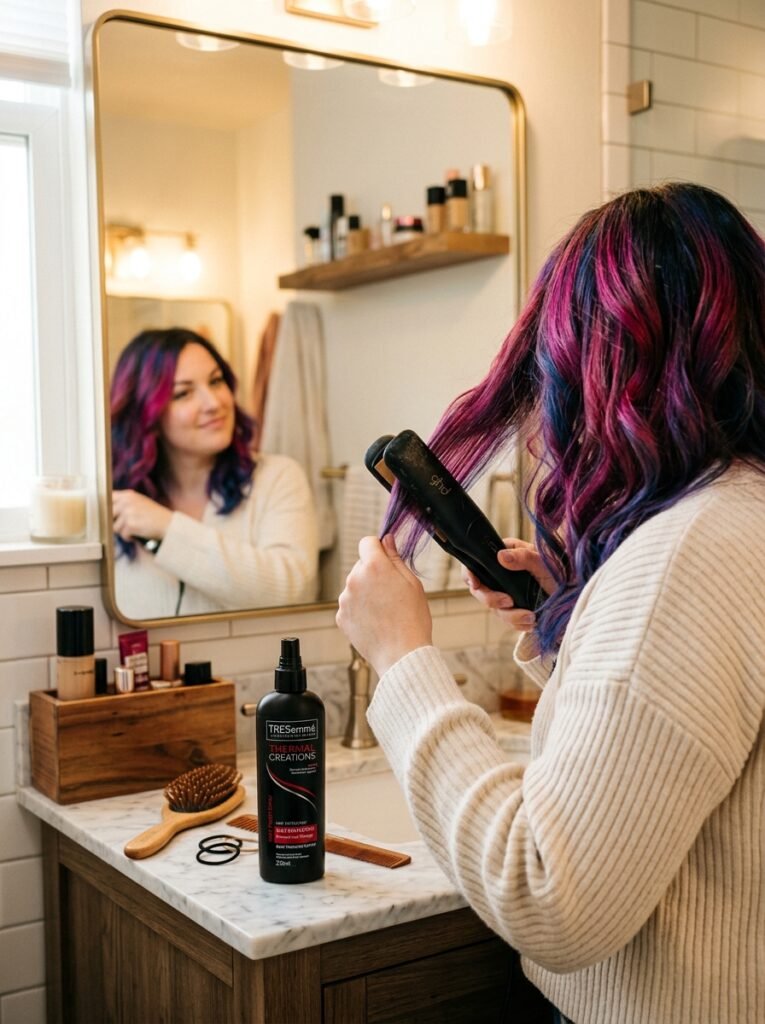
Flat irons, curling irons, and high-heat blow dryers all lift the cuticle temporarily, and repeated heat exposure without any protection accelerates fading noticeably faster than air drying or low-heat styling.
A heat protectant isn’t just about preventing breakage, it also creates a barrier that helps color hold its ground against direct heat. If you can build in a couple of heat-free days each week, your color will genuinely last longer between appointments, on top of your hair just being healthier overall.
Does the Type of Color You Choose Actually Matter?
It does, more than people usually expect going into an appointment. Permanent color tends to hold its base tone longest since it’s deposited inside the hair shaft, but even permanent color fades in vibrancy and shine over time as the cuticle wears down.
Semi-permanent and demi-permanent colors sit more on the surface, which means they fade faster overall but also tend to fade more evenly, without the harsh regrowth line permanent color eventually shows.
Bold fashion colors like vivid reds, purples, or blues fade the fastest of all, usually because the pigment molecules used in these dyes are physically larger and sit closer to the surface, making them easier to wash out. If you love a bold color, going in expecting more frequent touch-ups or refreshing glosses is realistic rather than disappointing.
Choosing a shade close to your natural level also tends to age more gracefully, since regrowth blends rather than creating an obvious line. If you’re still deciding what shade to go for in the first place, it’s worth reading through this guide on finding the hair color that actually flatters your skin tone before your next appointment, since starting with the right match makes the entire fading process look far less noticeable down the line.
A Simple Routine That Actually Preserves Color
Pulling everything together, here’s what a color-protective routine realistically looks like without turning your life upside down.
- Wash two to three times a week with a sulfate-free, color-safe shampoo
- Rinse with lukewarm or cool water, especially on the final rinse
- Use a heat protectant every time you reach for a hot tool
- Apply a UV-protectant spray or wear a hat during long sun exposure
- Wet hair before swimming and rinse thoroughly afterward
- Book a gloss or toner refresh between full color appointments if your shade tends to shift
None of these require major lifestyle changes. They’re small swaps that, stacked together, genuinely extend how long a fresh color looks fresh.
A Story That Might Sound Familiar
A coworker of mine used to come back from every salon appointment glowing, then complain within three weeks that her balayage looked flat and brassy again. She was washing daily with whatever shampoo was on sale, showering hot enough to fog the mirror, and using a flat iron most mornings without ever thinking about heat protectant.
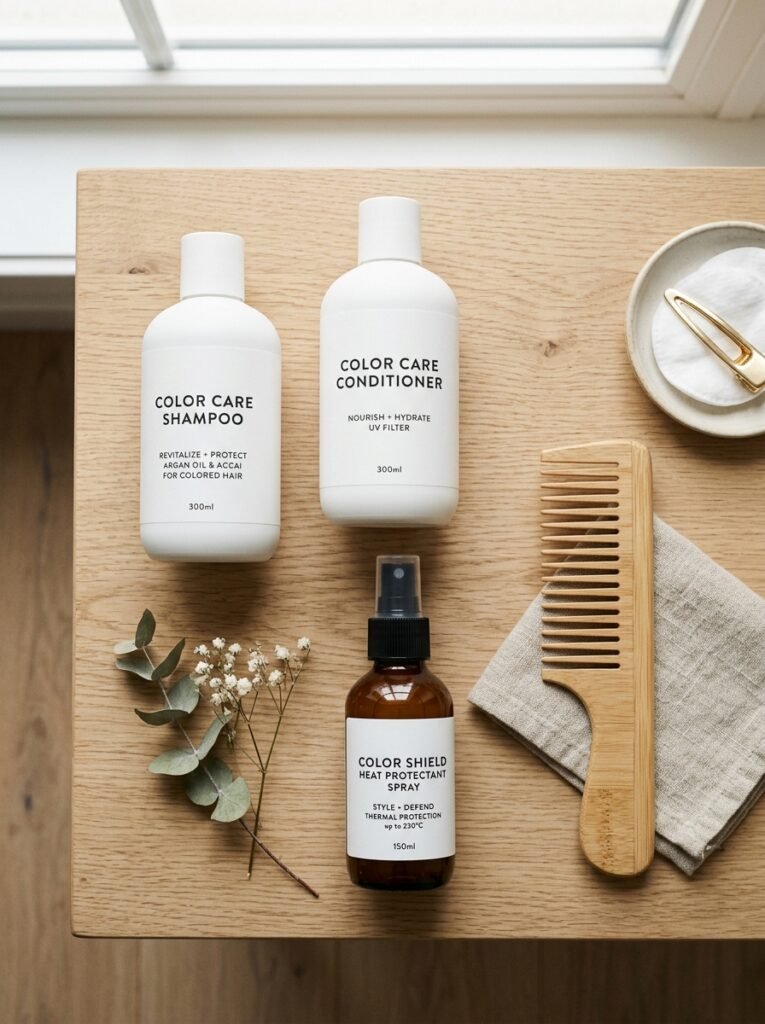
Her colorist finally sat her down and walked through exactly what was happening. She switched to a color-safe shampoo, turned her shower down a few degrees, and started using a heat protectant spray before styling. Nothing dramatic, just those three changes.
By her next appointment eight weeks later, her colorist actually commented on how much better the color had held up compared to her usual visits. She hadn’t changed the color itself at all. She’d just stopped accidentally working against it.
Common Mistakes Worth Fixing
A few habits show up again and again when color fades faster than expected.
- Assuming all shampoos are basically the same. Sulfates in regular shampoo are one of the fastest ways to strip color prematurely.
- Skipping heat protectant because it feels like an extra step. It takes seconds to apply and makes a real difference over time.
- Swimming without any prep. Jumping straight into a chlorinated pool with dry hair is one of the fastest ways to see unexpected color shifts.
- Going too bold without expecting more upkeep. Vivid colors are gorgeous but need realistic expectations about how often they’ll need refreshing.
- Waiting too long between root touch-ups or glosses. A quick gloss appointment between full color sessions keeps tone looking fresh without a full reapplication.
Frequently Asked Questions
How long should hair color realistically last before it starts fading? Permanent color typically holds its base tone for six to eight weeks before roots become noticeable, though shine and vibrancy can start softening sooner. Semi-permanent and vivid colors usually fade within four to six weeks depending on wash frequency and care.
Does the cost of the salon or product actually affect how long color lasts? Not necessarily on its own. A skilled colorist using proper technique and appropriate products for your hair type matters more than price alone. That said, cheaper at-home box dye sometimes uses larger pigment molecules that fade faster than salon-quality formulas.
Is it bad to wash my hair the day I get it colored? Most colorists recommend waiting at least 24 to 48 hours before the first wash after coloring, since this gives the cuticle time to fully close back around the new pigment, which helps it last longer from the very start.
Can diet or supplements affect how long hair color lasts? Not directly in a major way, though overall hair health does play a supporting role. Dry, damaged hair tends to hold color less evenly than healthy hair, so anything that supports overall hair health indirectly helps color longevity too.
Is purple shampoo only for blondes? Purple shampoo is specifically formulated to counteract yellow and brassy tones, so it’s most useful for blonde, gray, or light-colored hair. For other tones like red or brunette, color-depositing shampoos in matching shades work similarly to refresh tone between appointments.
Does brushing my hair a lot affect how fast color fades? Excessive brushing, especially with a rough-bristled brush on dry hair, does contribute to cuticle wear over time, which can make color look duller sooner. It’s a smaller factor compared to water temperature or wash frequency, but gentle detangling with a wide-tooth comb, especially on wet hair, is a small habit that helps overall.
The Bottom Line
Fading isn’t a sign your colorist did something wrong, and it isn’t something you’re doomed to deal with every single time. Most of what determines how long color lasts comes down to a handful of everyday habits: water temperature, wash frequency, the products sitting in your shower, and how much heat and sun your hair deals with regularly.
None of these changes require an overhaul of your entire routine. Start with the easiest one, maybe swapping your shampoo or turning the water down a few degrees, and build from there. Your color deserves to last longer than two weeks, and with a few small adjustments, it usually can.