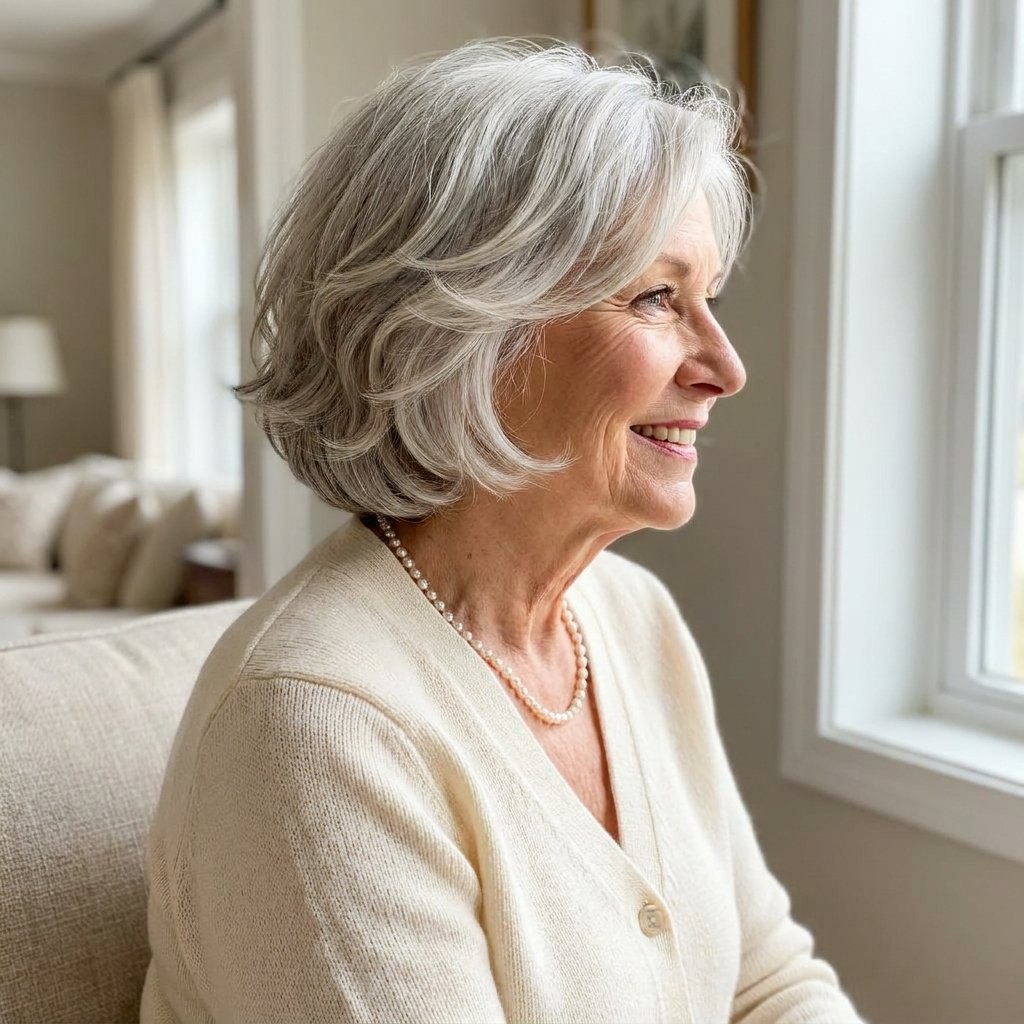
Elegant, Easy, Timeless: The Right Hairstyle for Your 60s
Picture this. You’re sitting in the salon chair, cape on, and your stylist turns around and asks the question you’ve been dreading. “So what are we thinking today?”
And you freeze. Not because you don’t care about your hair, but because everything you used to reach for doesn’t quite feel right anymore. The style you wore for the last twenty years suddenly looks a little tired. The trendy cuts your daughter sends you feel like they belong to someone else’s face. You just want something that looks like you, only better.
If that scene sounds familiar, you’re in good company. Hair changes in your 60s, sometimes gradually and sometimes seemingly overnight, and figuring out what actually works now takes a bit of recalibrating. The good news is that this decade offers more genuinely flattering, low-fuss options than most people expect.
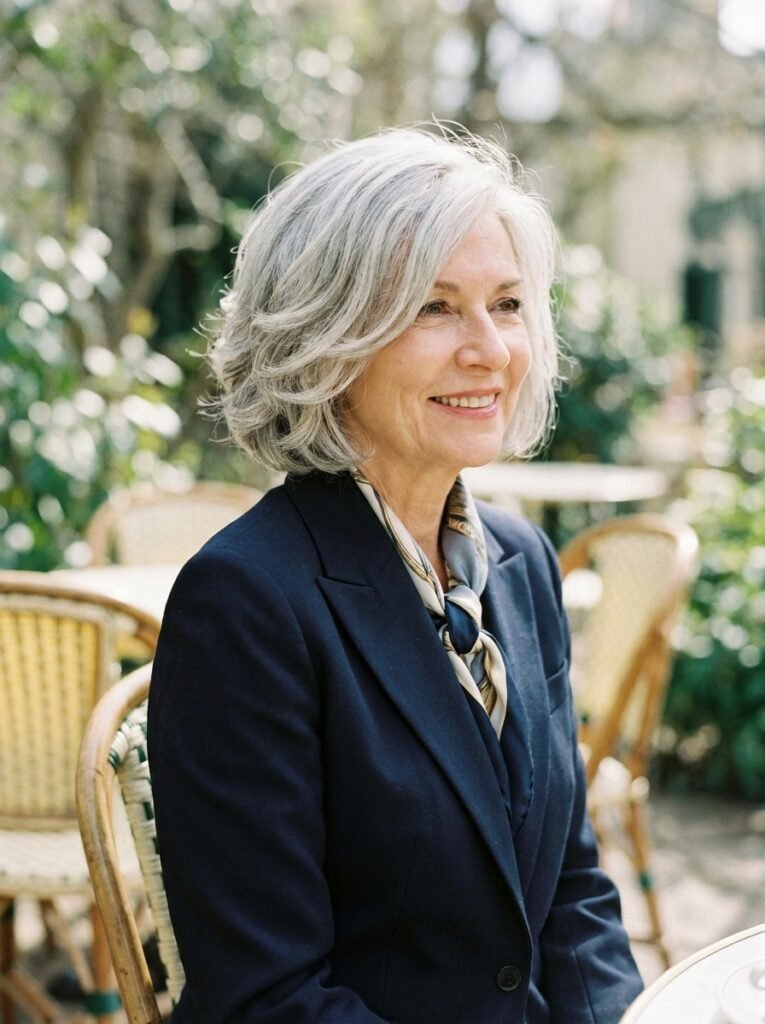
What Actually Changes With Hair in Your 60s
Before getting into specific styles, it helps to understand what you’re actually working with, because the rules that applied at 30 don’t always apply now.
Hair tends to grow finer in diameter as we age, even if the overall amount hasn’t changed dramatically. That finer texture means less natural body, which is why styles that relied purely on thickness for shape can start to fall flat, literally.
Growth also slows down a bit, so the same cut lasts longer between trims in terms of length, though the shape itself can still soften and lose definition faster than it used to.
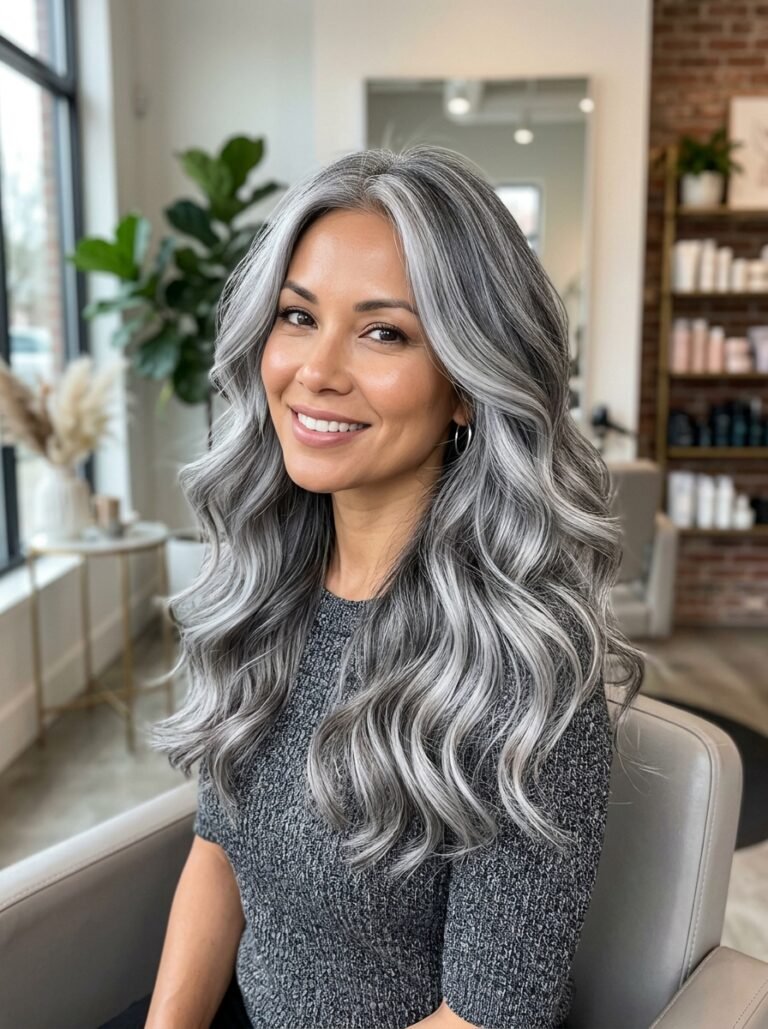
Then there’s gray, which usually has a different texture than your natural pigmented hair. It can be coarser, more resistant to color, and sometimes wirier at the crown or temples, which affects how a style sits.
None of this is bad news. It just means the goal shifts from finding a style that photographs well to finding one that actually works with what your hair is doing right now.
The Non-Negotiables for a Flattering Cut After 60
If you take nothing else from this, these are the things worth prioritizing no matter what specific style you land on.
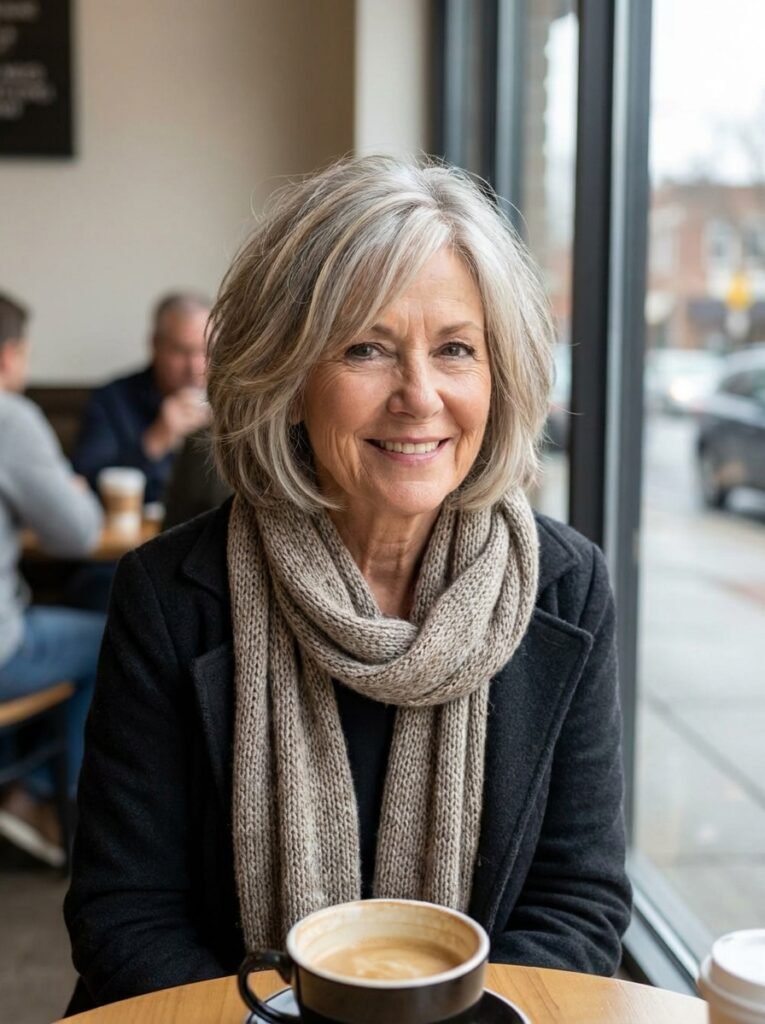
- A cut with movement rather than one flat, static shape
- Layers or texture near the crown to counteract natural flattening
- A length your stylist confirms works with your hair’s current density, not the density you had decades ago
- Softness around the face rather than harsh, blunt lines
- A style you can actually recreate at home in under fifteen minutes
Keep these in mind while you look through options, because a style can be beautiful on someone else and still miss every one of these boxes for you personally.
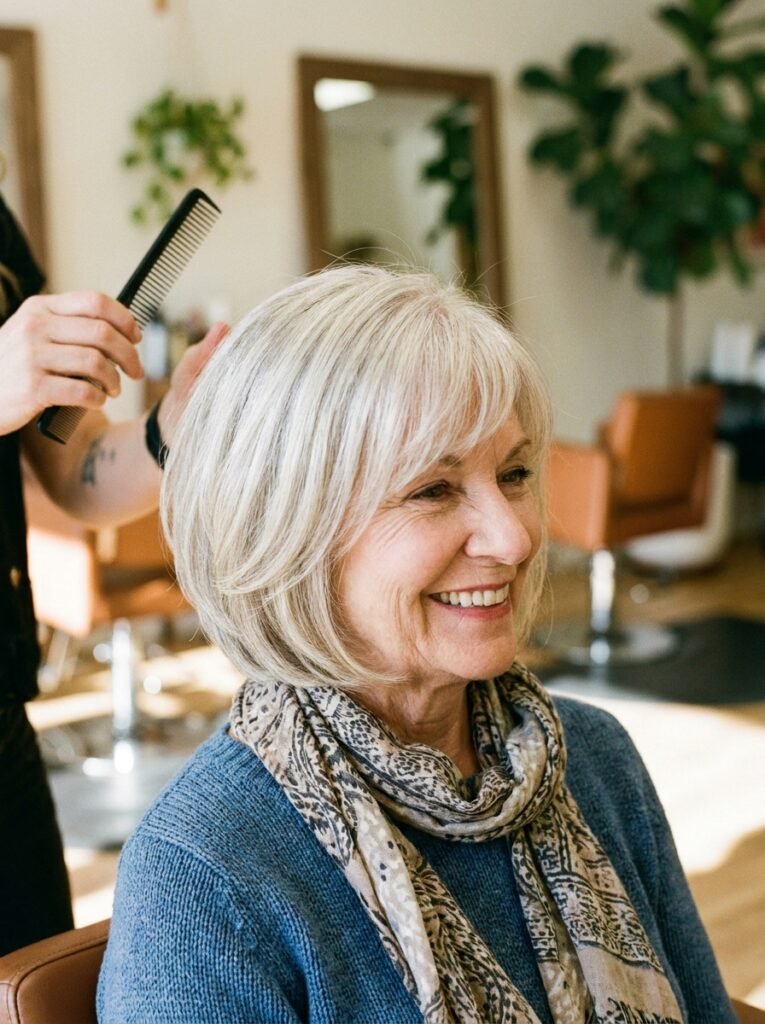
Let Your Face Shape Guide the Decision, Not Just the Trend
It’s tempting to bring in a photo of a celebrity you admire and ask for that exact cut, but face shape plays a bigger role than most people expect, especially once softer jawlines and changing cheek volume come into play with age.
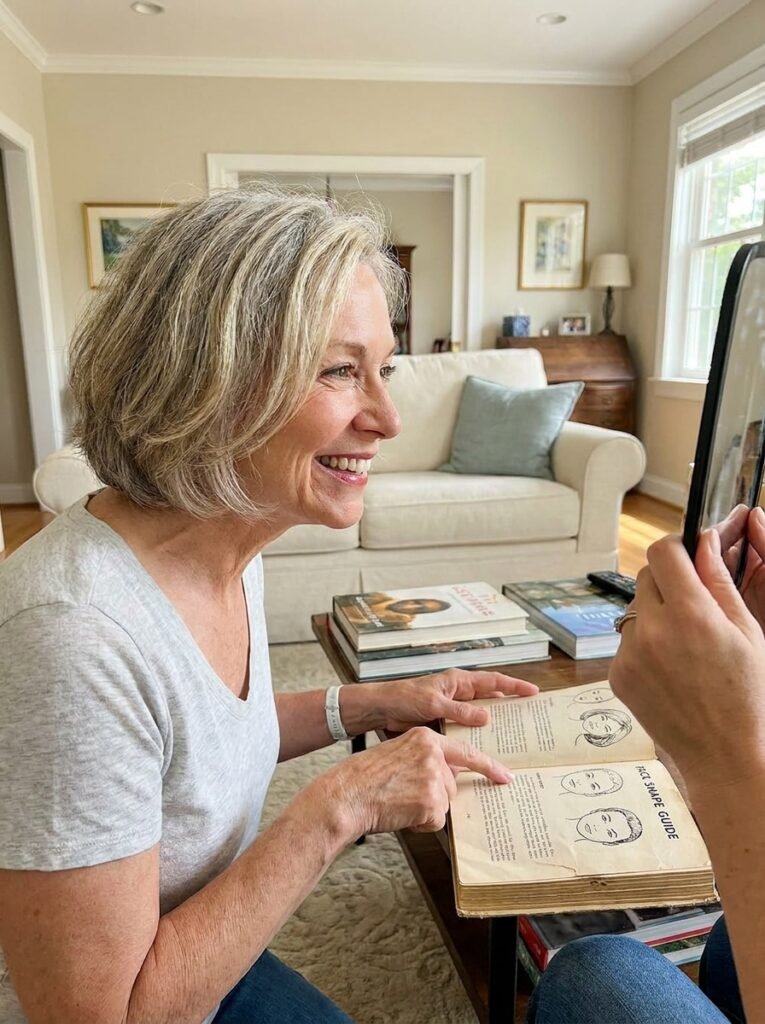
Rounder faces generally benefit from styles with some height at the crown and length that extends past the chin, since this elongates the overall shape rather than adding width where it’s already present. Longer or squarer faces tend to do well with soft, rounded layers and side-swept pieces that break up strong lines. If your jawline has softened over the years, a cut that skims just below it, rather than hitting right at it, tends to be more flattering than a blunt line that draws the eye directly to that area.
None of this means you need to memorize face shape rules like homework. It just means it’s worth having an honest conversation with your stylist about your current features rather than handing over a photo and hoping for the best. A good stylist will already be factoring this in, but it never hurts to ask directly.
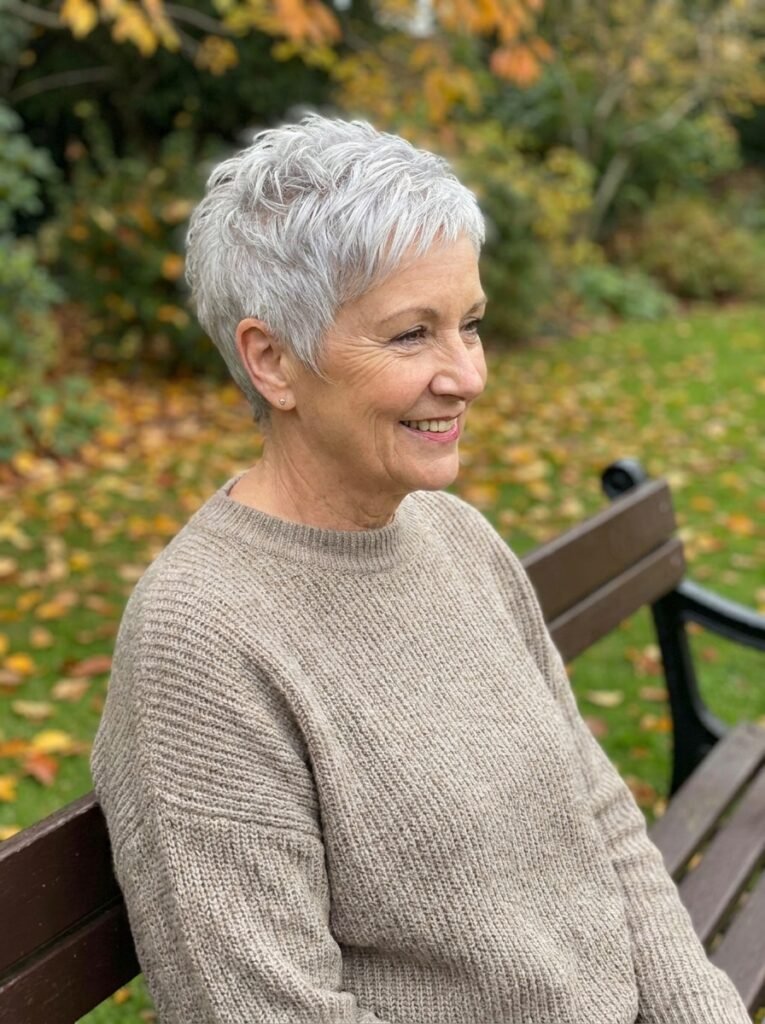
Short and Sharp: When Less Really Is More
A well cut short style is one of the most popular routes in this decade, and for good reason. Shorter hair tends to sit with more lift, since there’s simply less weight pulling everything down toward the scalp.
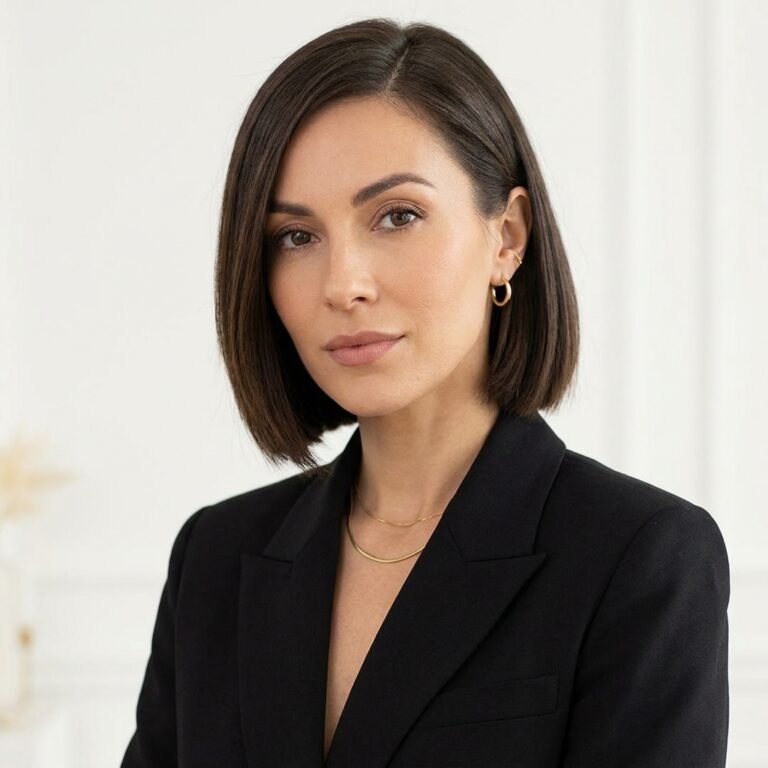
A textured pixie with a bit of length on top gives you room to style it differently depending on your mood, sleek one day, tousled the next. A jaw-length bob with soft graduation toward the back adds shape without looking severe. Both options tend to photograph beautifully because they catch light differently than flat, longer styles.
The trade-off is that short cuts need more frequent trims to hold their shape, usually every five to seven weeks. If you’re not someone who wants to be in a salon chair that often, this is worth factoring in before committing.
Mid-Length: The Middle Ground Most People Land On
If going short feels too dramatic but long hair feels like too much upkeep, a mid-length cut lands right in the sweet spot. Something that hits between the chin and the shoulders offers enough length to pull back into a low ponytail on busy days, while still being short enough to avoid the flat, stringy look that longer fine hair sometimes falls into.
A long bob with soft layers is probably the most universally flattering option in this range. It works across nearly every face shape and hair texture, and it grows out gracefully, so you’re not stuck making a rushed decision at every appointment.
Shoulder-length cuts with face-framing layers are another solid choice, especially if you want a bit more versatility for special occasions like curling for a wedding or straightening for everyday wear.

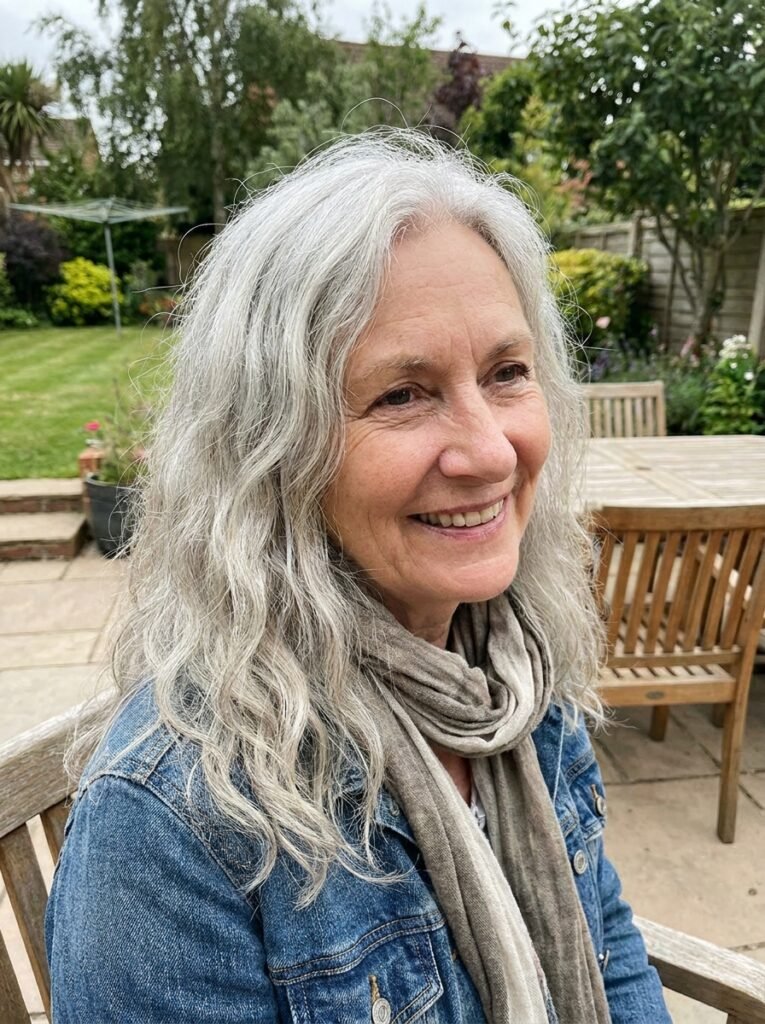
Long Hair Isn’t Off the Table
There’s still this outdated idea floating around that long hair automatically stops working at a certain age. It doesn’t, but it does need more intention to look right rather than tired.
The key is layering. Long hair with zero shape can look thin and stringy on finer, aging hair texture, but the same length with well placed layers can look full and deliberate. Face-framing pieces around the front help too, softening the overall look and drawing attention upward rather than letting everything hang in one heavy sheet.
If you love your length and aren’t ready to give it up, talk to your stylist specifically about layering for volume rather than just length maintenance trims. The difference in how the same length looks is genuinely surprising.
It’s also worth being honest about upkeep. Long hair in your 60s often needs a bit more moisture support than it used to, since drier scalp and slower oil production are common with age. A weekly deep conditioning treatment or hair mask can make a bigger difference here than any cut alone, keeping ends from looking brittle or dull even at greater lengths.
Dealing With Thinning and Volume Loss
This is probably the biggest practical concern for a lot of women in their 60s, and it deserves its own honest section rather than a quick mention.
Thinning is common and normal, tied to hormonal shifts, genetics, and just the natural aging process of hair follicles. It doesn’t mean your options are limited, it just means volume becomes a bigger part of the conversation than length or color.
Shorter and mid-length cuts generally handle thinning better than very long styles, simply because there’s less weight working against whatever lift you have left at the roots. Blunt ends, somewhat counterintuitively, can also create the illusion of thicker hair better than heavily thinned-out layers, since a clean solid edge reads as denser to the eye.
There’s a lot more detail worth exploring if volume is your main concern, including specific cutting techniques and product tips in this breakdown of haircuts and styling tricks that create fullness, which applies just as much here as it does for anyone dealing with fine or thinning strands.
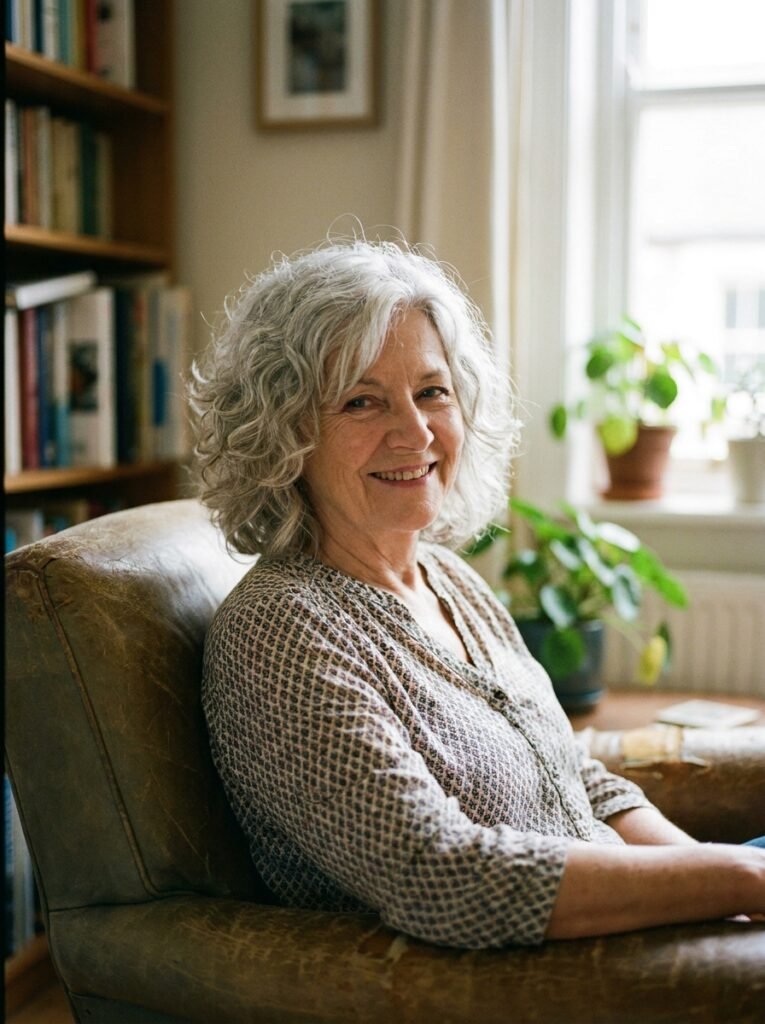
A Real Example Worth Sharing
My mother turned 62 last year and had been wearing the same shoulder-length style since I was in middle school. She wasn’t unhappy with it exactly, just bored, and a little frustrated that it seemed to need more effort than it used to for the same result.
Her stylist suggested a jaw-length bob with subtle layering near the crown, plus a soft, warm gray-blending color instead of her usual solid dye job. She was nervous going into it, mostly worried it would look too severe.
It didn’t. If anything, she looked more relaxed. The shorter length gave her natural texture room to actually show instead of getting weighed down, and she was out the door most mornings with just a quick finger-comb and some texturizing spray. Her words afterward were something like, “I didn’t realize how much effort I was putting into looking tired.”
That stuck with me, because it’s such a common trap. People assume keeping the same style for years is the low-maintenance choice, when sometimes the opposite is true.
Common Mistakes Worth Avoiding
A few patterns show up often enough that they’re worth calling out directly.
- Holding onto a style out of habit rather than because it still works. Hair changes over the years, and a cut that suited you at 45 might genuinely need adjusting by 65.
- Going too severe with color all at once. A dramatic switch from fully dyed to fully gray overnight can be a jarring transition. Many stylists recommend a gradual blend instead.
- Overwashing fine or aging hair. This can strip natural oils and leave hair looking even more limp. Washing two to three times a week is usually plenty.
- Skipping volumizing products entirely. A lightweight mousse or root spray at the crown makes a noticeable difference and takes seconds to apply.
- Choosing a style purely from a photo without considering your own texture. What worked beautifully on a celebrity with thick hair might need real adjustments for finer or coarser textures.
Styling Tips That Actually Save Time
None of these require fancy tools or a long morning routine.
Blow-drying with a round brush focused just at the roots gives you lift without needing to style the entire head. If you’re short on time, even sixty seconds of root-focused drying makes a visible difference.
A texturizing spray applied to dry hair before you leave the house adds grip and a bit of undone texture, which reads as intentional rather than flat. It works especially well on shorter cuts.
For longer or mid-length styles, a loose low bun or half-up style takes under a minute and still looks put together, even on days when a full blowout just isn’t happening.
Frequently Asked Questions
Is there really an ideal hairstyle for every woman over 60, or does it depend entirely on the individual? It depends on the individual, but there are patterns that tend to work broadly well, like added volume near the crown, softer face-framing pieces, and layers that counteract flatness. Face shape, hair texture, and lifestyle all factor into the final decision.
Should I go gray or keep coloring my hair? This is entirely personal preference. Neither choice is more flattering or more age-appropriate than the other. What matters more is that whichever route you choose is well maintained, since regrowth lines and uneven color tend to look more dated than the gray or the dye itself.
How often should I get a trim in my 60s? Short styles usually need trims every five to seven weeks to hold shape. Mid-length and long styles can typically stretch to eight to twelve weeks, especially with layering that grows out more gracefully.
Will a short haircut make my hair look thinner? Not if it’s cut well. In fact, shorter cuts often make thinning hair look fuller, since there’s less weight pulling hair flat against the scalp. Blunt ends in particular can create the appearance of density.
What’s the easiest style to maintain if I don’t want to spend much time styling? A well cut bob, whether jaw-length or slightly longer, tends to be the lowest maintenance option overall. It holds its shape with minimal effort and looks intentional even air dried.
Final Thoughts
Your 60s aren’t about finding a “safe” haircut or settling for whatever feels easiest. They’re actually a great decade to get a little more intentional about what suits you now, rather than what suited you decades ago.
Whether you land on something short and sharp, a versatile mid-length cut, or long layers that finally get the shape they deserve, the goal is the same. Find something that works with your hair as it actually is today, not as a memory of what it used to be. That’s usually where the most flattering, lowest effort styles end up living anyway.