
Everything You Need to Know About the Butterfly Haircut
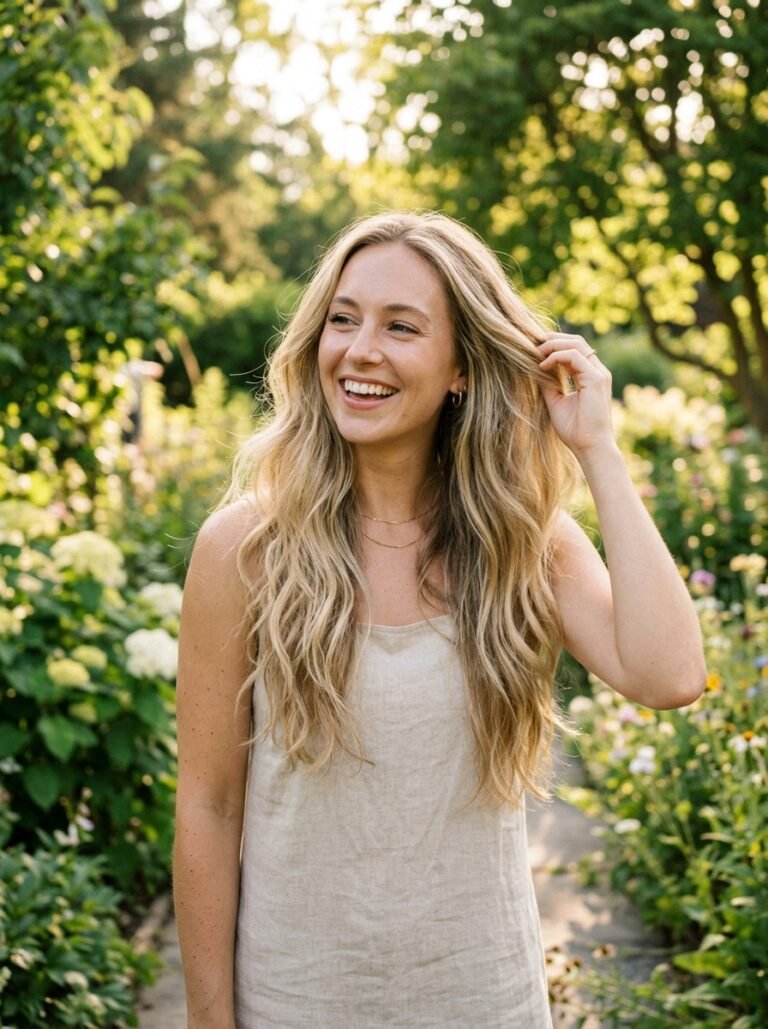
Every few years a haircut comes along that completely takes over, and for a while now that haircut has been the butterfly. You have seen it everywhere, even if you did not know its name. Long, bouncy hair with dramatic shorter layers fluttering around the face, all blown out into the kind of movement that looks borrowed from a shampoo commercial.
The butterfly haircut earned its popularity honestly. It delivers the freshness of a short cut and the romance of long hair at the same time, and it flatters an impressive range of faces. But it is not magic, and it is not for everyone, which is exactly what this guide is here to sort out.
Below you will find what the cut actually is, who it suits, how to ask for it properly, how to style it at home, and the mistakes that turn butterfly wings into stringy regret.

What Is a Butterfly Haircut, Exactly
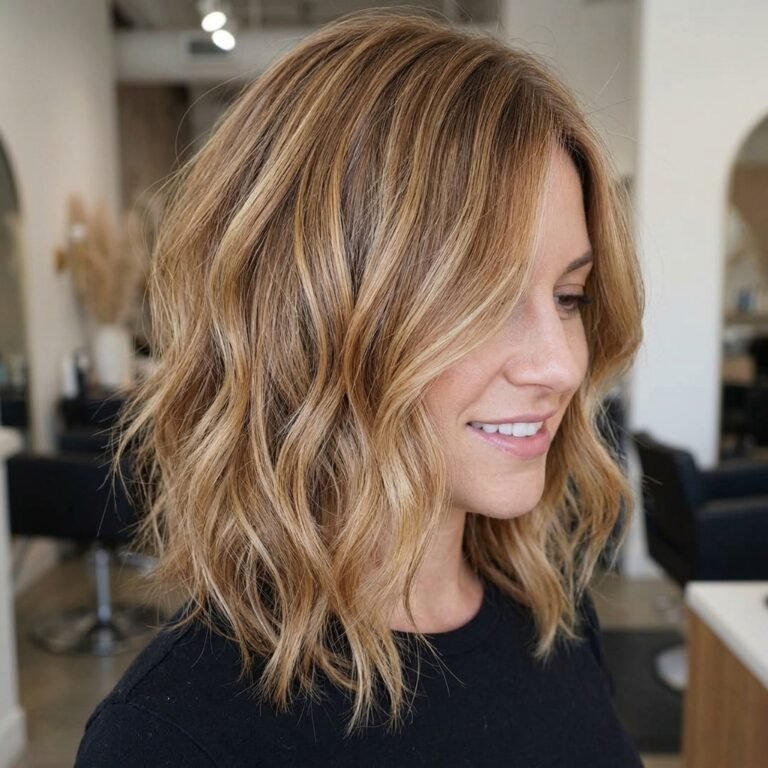
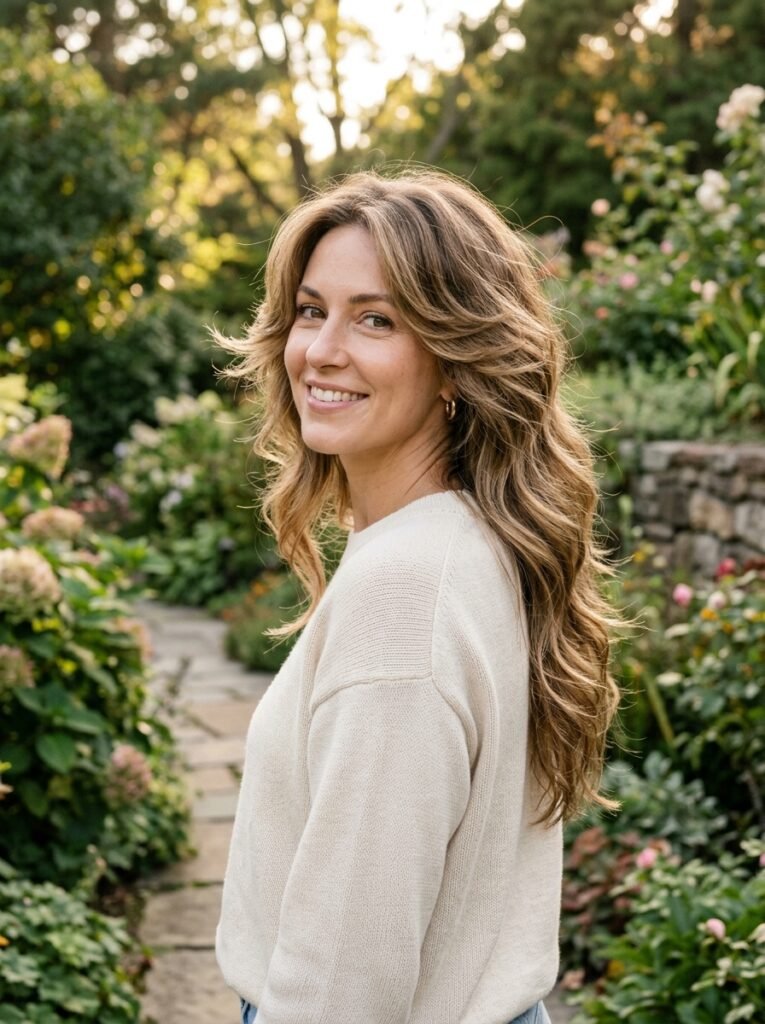
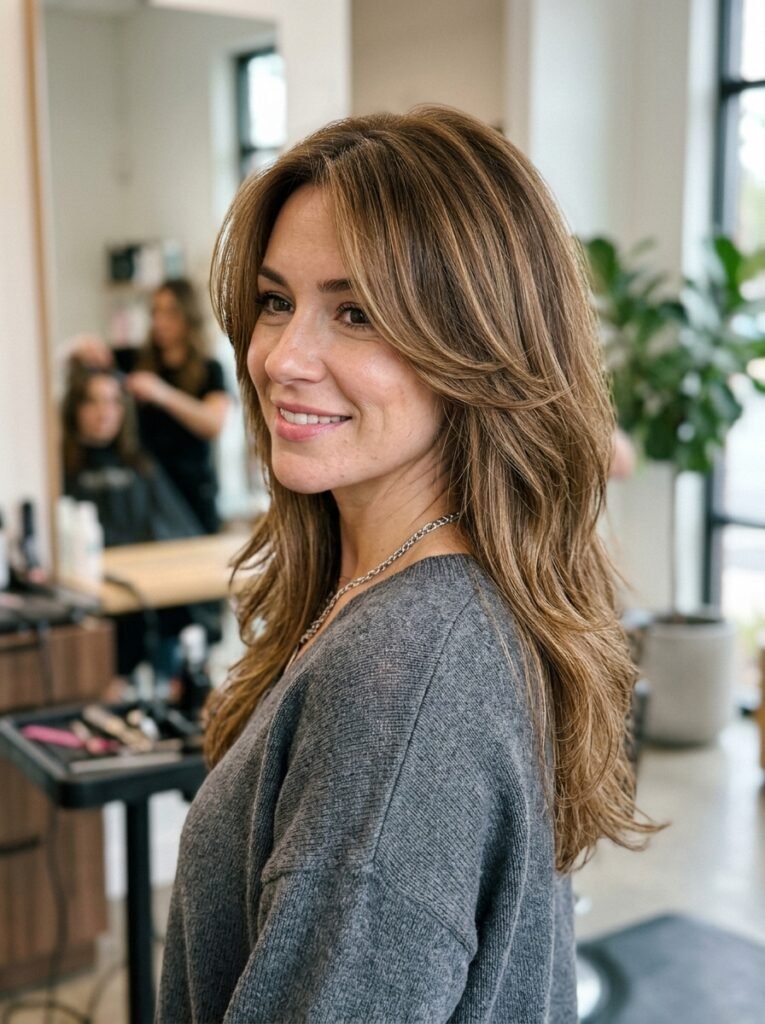
A butterfly haircut is a heavily layered cut built on two distinct tiers. The top tier is a set of short, face-framing layers that typically begin around the chin or jaw and flick away from the face. The bottom tier keeps your length, with long layers flowing through the mid-lengths and ends. Seen from the front, those shorter pieces open around the face like a pair of wings, which is exactly where the name comes from.
The effect is clever. From the front it reads almost like a shaggy bob, full of volume and shape around the face. From the back you still have all your length. It is essentially two haircuts living on one head, and that is precisely its charm.
The butterfly cut is usually paired with curtain bangs or a soft face frame, and it is styled, more often than not, into a big bouncy blowout with the ends flipped outward. If the whole thing feels like a love letter to the glamorous layered hair of the 90s, that is no accident. It is exactly that, modernized.
Why Everyone Is Asking for This Cut
Trendy haircuts usually fade fast. The butterfly stuck around for a few very practical reasons.
The first is commitment, or rather the lack of it. The cut delivers the fresh, face-framing energy of going short without sacrificing an inch of the length people spend years growing. For anyone who wants change but fears the big chop, it is the perfect compromise.
The second is the built-in party trick. Because the short tier sits separately from the long one, you can clip or tie the longer layers underneath and wear a convincing faux bob for the evening, then shake it out and have long hair again by morning. Two haircuts, one appointment.
The third is what it does for flat hair. All that layering removes weight and manufactures volume and swing, which is why the cut looks spectacular in motion and on camera.
And finally, it arrived hand in hand with the blowout revival. If bouncy, brushed-out, flipped-end hair is the look of the moment, the butterfly is the cut that look was designed for.

Who the Butterfly Haircut Suits Best
The butterfly flatters a wide range of people, but your hair type decides how the cut should be tailored, and in one case whether you should choose it at all.

If You Have Thick or Medium Hair
This is the butterfly’s dream client. Thick and medium-density hair has weight to spare, so the generous layering removes bulk, frees the movement, and leaves the ends looking full even after all that cutting. If your long hair currently hangs heavy and shapeless, this cut will feel like someone switched the lights on. Wear it a few inches past the shoulders or longer so the two tiers have room to breathe, and enjoy the fact that your hair finally moves the way it always should have.

If You Have Fine Hair
Here is the honest caution. A full butterfly cut removes a lot of weight, and fine hair does not have weight to give away. Ask for the dramatic version and you risk stringy, see-through ends sitting beneath wispy top layers. The fix is a softer translation. Request fewer, longer face-framing layers, keep the bottom perimeter as full and blunt as possible, and think of it as a mini butterfly rather than the full runway version. Styled with a volumizing blowout, the softened cut still delivers the wings and bounce without sacrificing the fullness fine hair depends on.

If You Have Wavy or Curly Hair
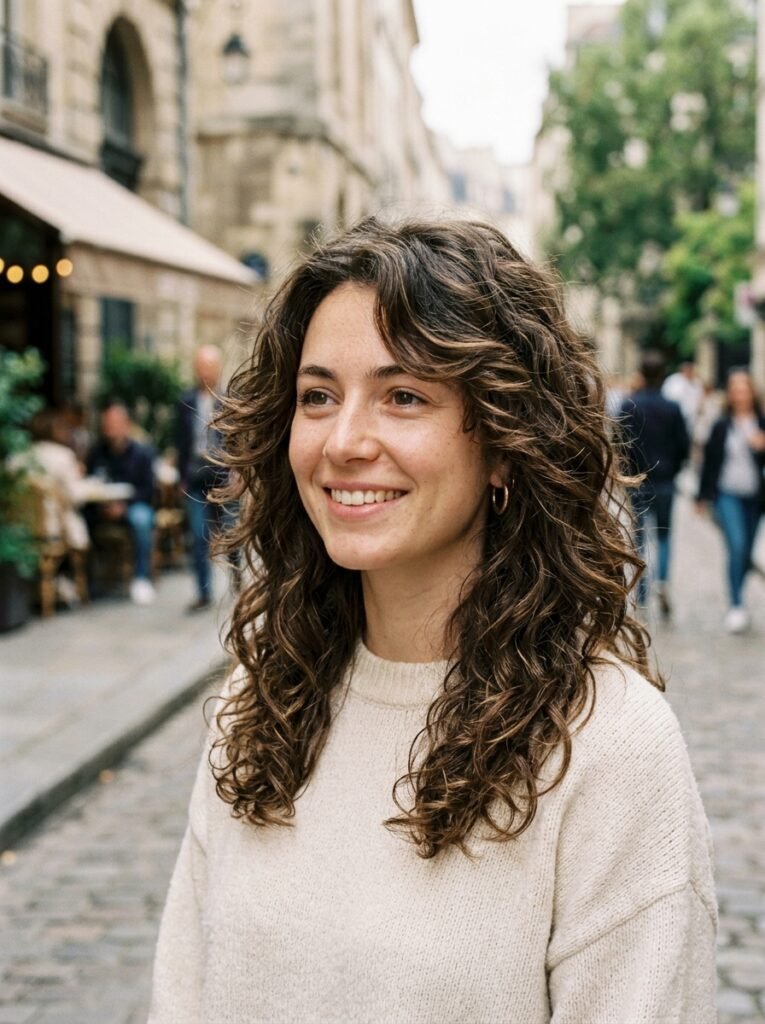
Waves and the butterfly cut are a genuinely beautiful match, since the layers free your natural texture and the face frame gives the waves somewhere lovely to land. Curls work too, with two adjustments. Ask for a stylist experienced with curly hair, request the layers slightly longer than the photo, because curls spring up when weight is removed, and consider having the shaping done on dry hair so every layer lands where it will actually live. Done that way, the butterfly turns curly volume from a management problem into the entire point of the haircut.
Butterfly Cut vs Wolf Cut vs Long Layers
These three get confused constantly, so here is the clean separation.
Standard long layers blend gradually. The shortest piece flows into the longest with no visible break, giving movement that whispers rather than announces itself. It is the subtle, low-drama option.
The butterfly cut takes the same idea and turns up the contrast. Its two tiers are deliberately distinct, with a noticeable jump between the short face-framing layers and the long lengths below. That separation is what creates the wings, the faux bob trick, and the dramatic volume. It is glamorous rather than edgy, made for round brushes and flipped ends.
The wolf cut lives at the other end of the attitude scale. It is a shag and mullet hybrid, choppy and heavily textured from the crown down, usually styled undone with texture spray rather than blown out. Where the butterfly says polished and bouncy, the wolf says rock and roll.
Choose standard layers for subtlety, the butterfly for soft glamour with maximum movement, and the wolf for deliberate, tousled edge. All three keep your length. Only the attitude changes.

How to Ask Your Stylist for a Butterfly Haircut
The cut has become famous enough that most stylists know it by name, but a good briefing still makes the difference between fine and fantastic.
Start with the name, then define your tiers. Tell your stylist where you want the shortest layers to land, whether that is chin, jaw, or collarbone, and confirm that the longest length is staying put. The lower the short tier sits, the softer and more wearable the result. The higher it sits, the more dramatic the wings.
Decide on the fringe question together. Curtain bangs complete the butterfly beautifully, but the cut also works with a longer cheekbone-grazing face frame if you are fringe-averse.
Ask the density question out loud. A good stylist will assess whether your hair can afford the full layering or needs the softened version, and you want that conversation to happen before the scissors move.
And bring two or three photos, including at least one showing the back, since the internet’s butterfly photos are almost all shot from the front and your stylist is cutting the whole head.
How to Style a Butterfly Haircut at Home
Here is the honest part nobody puts in the caption. The butterfly is a styled haircut. It looks wonderful with effort and merely pleasant without it, so learn the blowout and the cut pays you back daily.
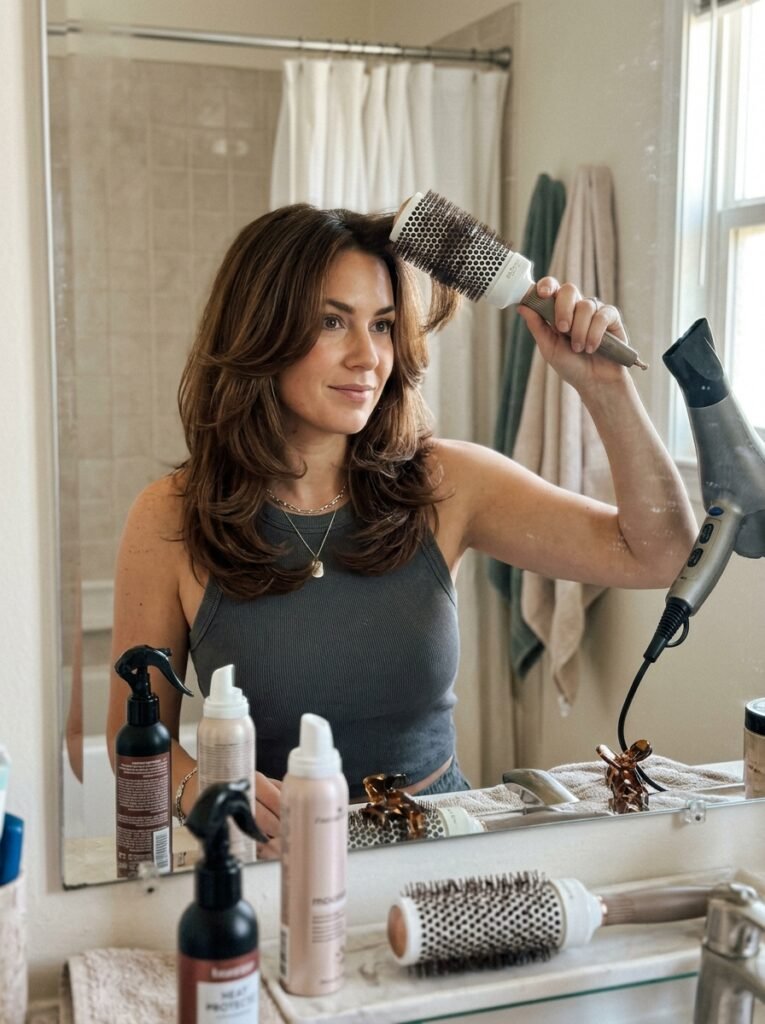
The classic method takes about fifteen minutes. Rough dry your hair to about eighty percent, then take the face-framing sections and wrap them around a large round brush, pulling up and away from your face and blasting with heat, then cool air. Roll the brush outward at the ends for that signature flick. Work through the rest in sections, always directing the hair away from the face.
The lazy version works too. Pop two or three large velcro rollers into the crown and face frame while you do your makeup, then release and shake. Or run a large-barrel curling iron through just the wings and the ends, flicking outward, and leave the rest natural.
Air drying gives you the soft, undone boho cousin of the look. Scrunch in a light texture spray and let the layers do their thing.
For day two, a little dry shampoo at the roots and a thirty-second re-flick of the face pieces brings the whole cut back to life.
Practical Tips Before You Book
A few checks now prevent a season of regret later.
- Measure your commitment to length. The cut needs hair at least a few inches past the shoulders for the two tiers to read clearly.
- Be honest about styling. If you will never pick up a round brush or rollers, softer standard layers will make you happier.
- Save two or three reference photos on hair with your texture and thickness, plus one back view.
- Decide your fringe position in advance, curtain bangs or a longer face frame, so the appointment starts with answers.
- Plan for trims roughly every eight to ten weeks, since grown-out tiers lose their definition.
- If your hair is fine, open the consultation by asking for the softened, fullness-preserving version.
Ten minutes of homework, months of good hair.
Common Mistakes That Ruin a Butterfly Cut
Most butterfly disappointments trace back to the same few errors.
Over-layering fine hair leads the list. The dramatic version of this cut on low-density hair produces exactly one result, wispy ends under fluffy wings, and it takes months to grow back. Softer tiers exist for a reason.
Trying it on short hair comes next. Without enough length below the shoulders, the two tiers collapse into one choppy layer and the whole concept disappears.
Expecting wash-and-go glamour is the quiet one. The photos you fell for were blow-dried. Unstyled, the butterfly is pleasant but ordinary, so the styling honesty matters before you commit.
Flat ironing everything poker straight defeats the entire cut, gluing down the layers that were built to fly. If you love sleek hair daily, this is not your haircut.
Skipping trims lets the tiers blur into shapelessness faster than most cuts.
And attempting the layers yourself with a home ponytail method turns a precision haircut into an expensive correction appointment. This one belongs to professionals.
What Stylists Wish Clients Knew About This Cut
Stylists who cut butterflies weekly repeat a few reliable truths.
It is genuinely customizable. The tier heights, the amount of disconnection, and the fringe can all be tuned to your face shape and density, which is why the consultation matters more than the reference photo.
Density is the gatekeeper. A skilled stylist decides how far to take the layering based on what your hair can afford, and the best ones will talk you down from the dramatic version when your hair votes otherwise.
It is a blowout haircut at heart. Clients who love styling adore it, and clients who hate styling quietly resent it within a month.
It grows out kindly. The tiers soften into regular long layers over time, which makes it one of the lowest-risk trend cuts you can try.
And the faux bob trick is real. Ask your stylist to show you how before you leave the chair.
Frequently Asked Questions
What exactly is a butterfly haircut?
A butterfly haircut is a layered cut with two distinct tiers, short face-framing layers that start around the chin or jaw and flick outward like wings, sitting over long layers that keep your full length. It creates the look of a short cut and long hair at once.
Who should avoid the butterfly haircut?
Anyone with very fine or sparse hair should skip the dramatic version, since heavy layering leaves the ends stringy, and ask for the softened cut instead. Hair shorter than shoulder length also lacks the room the two tiers need to show properly.
Is the butterfly haircut high maintenance?
Moderately. It looks its best blow-dried or set with rollers, which takes ten to fifteen minutes, and the layers need a trim every eight to ten weeks to hold their shape. The trade-off is volume and movement that most cuts cannot match.
What is the difference between a butterfly cut and a wolf cut?
The butterfly is soft and glamorous, with two clear layer tiers styled into a bouncy blowout. The wolf cut is a choppy shag and mullet hybrid, heavily textured throughout and styled undone. Both keep your length, but the attitudes are opposites.
Does the butterfly haircut work on fine or thin hair?
Yes, in its modified form. Ask for fewer, longer face-framing layers and a full, blunt perimeter at the bottom so the ends stay dense. The soft version delivers the wings and the bounce without the see-through ends the full cut would cause.
Final Thoughts
The butterfly haircut earned its moment for good reason. It hands you volume, movement, and a fresh face-framing shape while leaving every inch of your length exactly where it was, and very few cuts can make that offer.
The decision comes down to two honest questions. Does your hair have the density and length to support two tiers, and will you actually style it often enough to let the wings fly? Answer yes to both and this may be the most flattering haircut you have worn in years. Answer no and a softer layered cut will make you happier.
Either way, walk into the consultation with your photos, your fringe decision, and your density question ready. The butterfly rewards the prepared, and now you are exactly that.