
From Frizzy to Smooth: Taming Thick Hair in Humid Weather
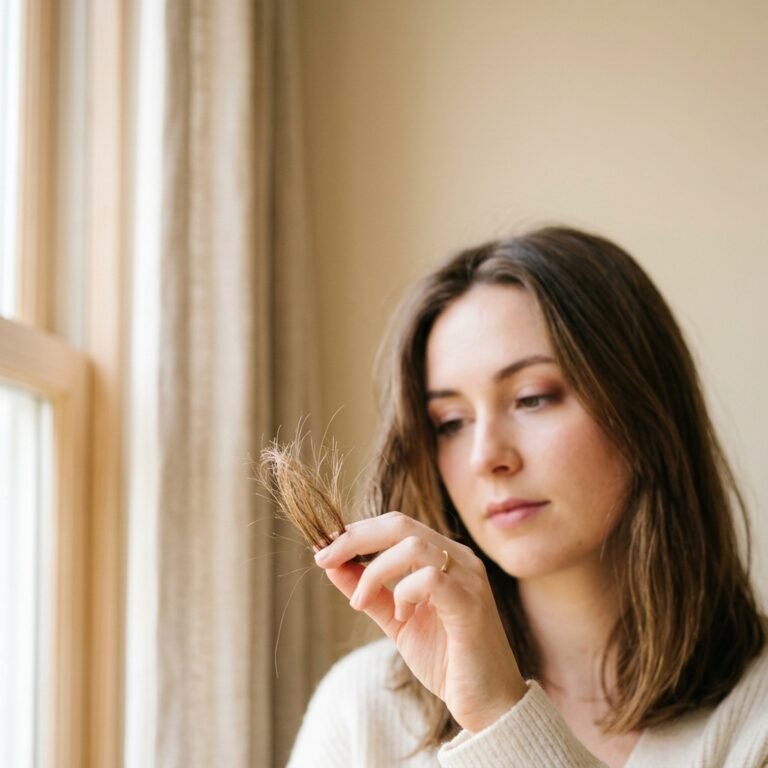
There’s a specific kind of dread that comes with checking the weather app and seeing a humidity percentage in the high 80s or 90s when you have thick hair. You know exactly what’s coming. The smooth style you worked on that morning is going to swell, lift, and expand the second you step outside, no matter how much product you used. If you’ve ever felt like your hair has a personality of its own the moment humidity rolls in, you’re not imagining it.
The good news is frizzy thick hair in humid weather is very manageable once you understand what’s actually happening at the strand level and adjust your routine accordingly. This guide covers exactly why humidity affects thick hair so intensely, and what you can actually do about it, from wash day habits all the way through your final styling steps.

Why Thick Hair Reacts So Strongly to Humidity
All hair types are affected by humidity to some degree, but thick hair tends to show it the most dramatically. The reason comes down to the structure of the hair itself. Thick strands typically have a larger diameter and more layers in the outer cuticle compared to fine hair, which means there’s simply more surface area for moisture in the air to interact with.
When the cuticle is even slightly raised or rough, humid air finds its way into the hair shaft and causes the strand to absorb that extra moisture. The hair swells in response, and that swelling is what shows up as frizz, flyaways, and an overall bigger, less defined shape than what you started with that morning.
Fine hair often just falls a bit flatter in humidity, since there’s less mass to swell in the first place. Thick hair has more to work with, which is why the same muggy afternoon can leave one person’s hair completely unaffected while another person’s hair puffs up within minutes of walking outside.

Frizz Is About Moisture Balance, Not Just Dryness
A common assumption is that frizzy hair simply needs more moisture, so people respond by loading on heavy creams or oils. In humid weather, this approach often doesn’t solve the actual problem, and sometimes makes hair feel greasy without reducing frizz at all.
The real issue in humid conditions is usually an imbalance between the hair’s internal moisture and the excess moisture trying to get in from the air. A smooth, healthy cuticle acts like a seal, keeping your hair’s moisture levels steady no matter what’s happening outside. When the cuticle is rough or damaged from heat styling, chemical treatments, or harsh brushing, that seal weakens, and humidity has a much easier time sneaking in.
This is why frizz control in humid weather is really a two part job. You need enough internal hydration to keep the hair shaft healthy and flexible, and you also need something on the surface that helps seal the cuticle and block excess outside moisture from getting in.

Setting Up Your Wash Day for Frizz Prevention
The habits you build on wash day have a bigger impact on your hair’s humidity resistance than most people realize. What you do here sets the stage for how your hair behaves for the rest of the week.
Pick a Shampoo That Cleanses Without Roughing Up the Cuticle
Sulfate heavy shampoos can strip natural oils and leave the cuticle rougher than it needs to be. A gentle, moisturizing shampoo cleanses effectively while helping preserve the smoothness of the hair’s outer layer, which matters a lot once humidity becomes a factor.
Don’t Skip Conditioner, Even If Your Hair Feels Heavy
Thick hair sometimes gets skipped on conditioner out of fear it will feel weighed down, but conditioner plays a critical role in smoothing the cuticle after shampooing opens it slightly. Focus conditioner from the mid lengths to the ends, where hair tends to be oldest and most prone to dryness and roughness.
Use a Weekly Mask or Deep Treatment
A rich hair mask or deep conditioning treatment once a week gives thick hair the extra hydration it needs to stay flexible and resist swelling from humidity. Leave it on for the full recommended time, and consider adding gentle heat with a shower cap to help the treatment absorb more effectively.
Finish With a Cool Water Rinse
Cool water helps flatten and seal the cuticle after conditioning, which creates a smoother surface with less opportunity for humid air to work its way in later in the day.
How You Dry Your Hair Matters More Than You Think
A huge amount of frizz actually gets created during the drying process, long before you even reach for styling products. Small adjustments here can make a noticeable difference.
Swap Your Regular Towel
Standard bath towels are rough and create friction against the hair, which lifts the cuticle and sets the stage for frizz. A microfiber towel or a soft cotton t shirt is much gentler and helps you blot out excess water without roughing up the strand.
Apply Products While Hair Is Still Damp
Leave in conditioners, smoothing creams, and anti frizz serums generally work best on damp hair rather than soaking wet or completely dry hair. Damp hair absorbs product more evenly, which helps create a more even, effective barrier against humidity.
Try Air Drying With the Right Amount of Product
Air drying can actually be gentler on thick hair than heat styling, as long as you use enough product to coat the hair properly. Thick hair typically needs more product than other hair types to fully cover every strand and create an effective smoothing layer.
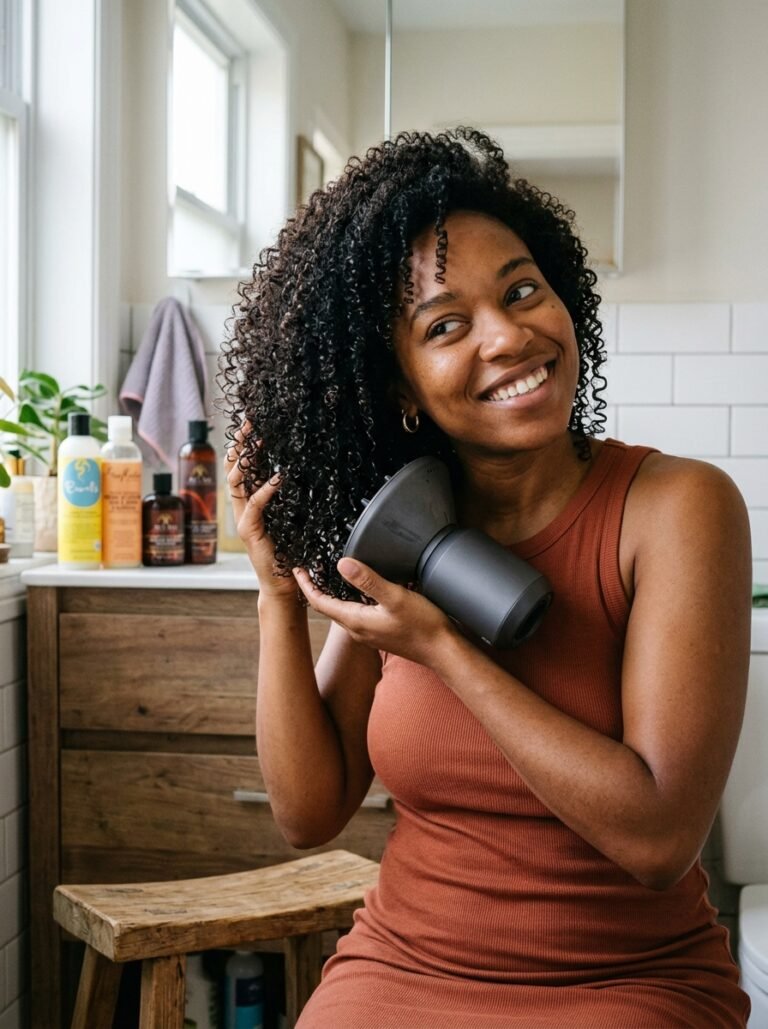
Use a Diffuser for Blow Drying
If you prefer to blow dry, attaching a diffuser and using low heat with low airflow helps dry hair more gently than direct high heat blasting, which tends to disturb the cuticle and increase frizz.
Daily Styling Choices That Help Hair Resist Humidity
Once your hair is dry, a few finishing habits make a real difference in how well your style holds up as the day goes on.
Seal ends with a lightweight oil. A small amount of argan or jojoba oil smoothed over the ends helps seal the cuticle and adds shine without weighing thick hair down.
Finish with an anti humidity spray. These sprays create a light protective layer on the hair’s surface, making it harder for outside moisture to penetrate and trigger swelling.
Resist the urge to touch your hair. Running your fingers through your hair throughout the day disrupts the smooth surface you created and can actually stir up more frizz.
Switch to a silk or satin pillowcase. Cotton pillowcases create friction overnight that roughs up the cuticle, while silk and satin allow hair to glide more smoothly, helping preserve your style into the next day.

Products Worth Having in Your Routine
A handful of product categories consistently help thick hair manage humidity more effectively.
- A leave in conditioner for lightweight, ongoing hydration
- An anti frizz serum or cream formulated specifically for humidity
- A lightweight finishing oil for the ends
- An anti humidity spray as a final styling step
- A weekly deep conditioning mask for extra moisture
You don’t need to use everything on this list every single day. Start with a couple of products that address your biggest frustrations, then adjust based on how your hair responds over the next few weeks.

Cuts and Styles That Cooperate With Thick Hair
Beyond products, the actual cut and everyday styles you choose play a real role in how frizzy your hair looks and feels.

Layers Reduce Bulk and Weight
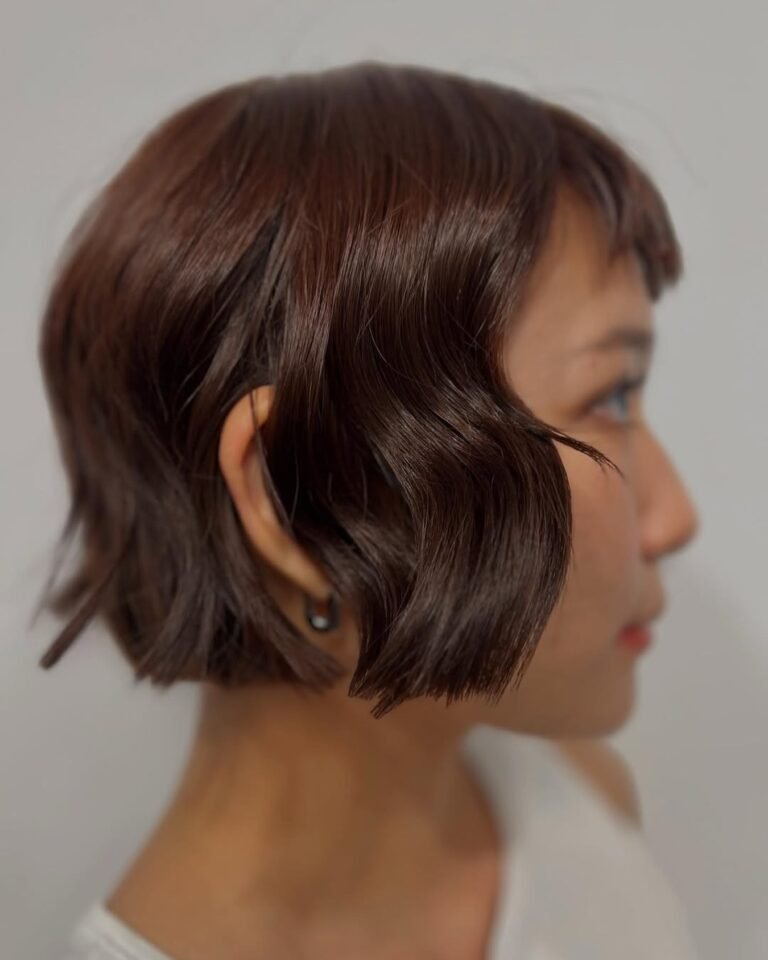
Thick hair without any layering can feel heavy and can push outward into a frizzy shape, especially in humidity. Well placed layers remove some of the internal bulk, which allows the hair to move and lay more naturally instead of expanding.
Updos and Braids Limit Exposure
On especially sticky, humid days, pulling hair into a loose braid, low bun, or half up style reduces how much hair is exposed to the air, which naturally cuts down on visible frizz throughout the day.
A Good Round Brush Makes a Difference
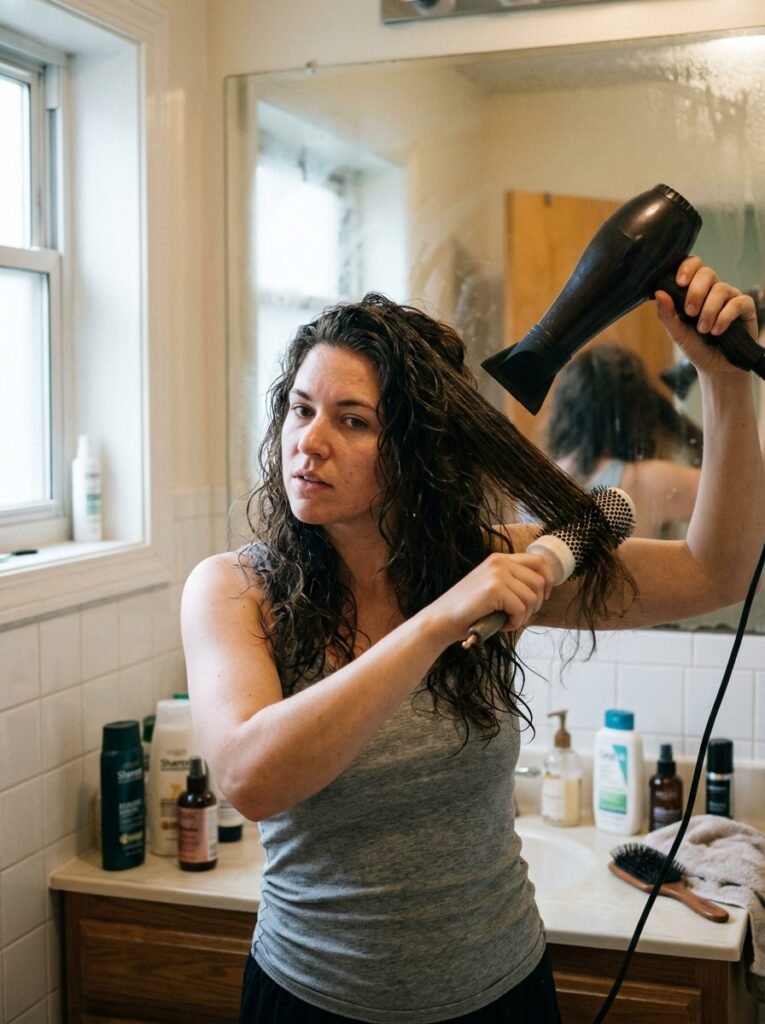
If you like a smooth blowout, using a boar bristle or ceramic round brush while drying helps distribute natural oils along the hair shaft and creates a smoother finish that tends to hold up better in humidity compared to letting hair air dry without any brushing.
Mistakes That Make Frizz Worse Without You Realizing It
Even with the best intentions, a few habits tend to work against people trying to control frizz in thick hair.
Washing hair every single day. Daily washing strips natural oils that actually help protect against humidity, and most thick hair does better with washing every two to three days.
Relying too heavily on high heat tools. Repeated high heat styling damages the cuticle over time, making hair more porous and more prone to frizz whenever humidity is in the forecast.
Skipping a leave in product before styling. Jumping straight from the shower to styling products misses an important protective layer that helps everything applied afterward work more effectively.
Using a rough towel out of habit. This is one of the most overlooked causes of frizz, since the friction from a regular towel roughs up the cuticle before you’ve even started styling.
Letting split ends go too long between trims. Split and damaged ends catch on themselves and create extra texture that often reads as frizz, even when the rest of the hair is smooth.

Expert Insight: Layer Your Products From Lightest to Heaviest
One detail that makes a noticeable difference for thick hair is applying products in the correct order. Start with the lightest product, usually a leave in conditioner, then move to a slightly heavier smoothing cream or serum, and finish with the lightest layer last, typically an anti humidity spray or a small amount of oil applied only to the ends.
Applying products out of order, like using a heavy oil before a lighter leave in conditioner, often prevents the lighter product from absorbing properly, since the oil creates a barrier that blocks it out. Following this lightest to heaviest layering approach allows each product to actually do its job, which adds up to noticeably better frizz control over the course of a humid day.

Practical Tips for Long Term Frizz Management
A few consistent habits, beyond your daily routine, make a meaningful difference over time.
Stay consistent with weekly deep conditioning, since well hydrated hair resists humidity swelling far better than hair that’s dry or damaged. Get regular trims to prevent split ends from adding unwanted texture and bulk. Switch to a silk or satin pillowcase to reduce nightly friction. Pay attention to how your hair responds to different products, since thick hair often takes some trial and error before you land on the right combination. Keep a small anti frizz product in your bag for touch ups on unexpectedly humid days.
Frequently Asked Questions
Why does thick hair frizz more in humidity than other hair types?
Thick hair has more cuticle layers and surface area, which means it absorbs more moisture from humid air, causing more noticeable swelling and frizz compared to finer hair.
What is the biggest mistake people make when trying to control frizz?
Overloading hair with heavy products in an attempt to add moisture, without addressing the cuticle’s ability to seal out excess humidity, is one of the most common mistakes.
Is it better to air dry or blow dry thick hair in humid weather?
Both can work well with the right technique. Air drying with enough product can be gentle and effective, while blow drying with a diffuser on low heat also helps minimize frizz.
How often should thick hair be washed to help with frizz?
Most thick hair types do best being washed every two to three days, since washing too frequently strips the natural oils that help protect against humidity.
Do anti humidity sprays actually make a difference?
Yes, anti humidity sprays create a light protective barrier on the hair’s surface that helps prevent outside moisture from penetrating the cuticle and causing frizz.
Can a haircut really help with frizz control?
Yes, layered cuts reduce bulk and allow hair to move more naturally, while regular trims prevent split ends from adding extra texture that often looks like frizz.
Conclusion
Managing frizzy thick hair in humid weather comes down to understanding your hair’s specific needs and building a routine that supports it every step of the way, from the shower to your final styling touches. Once you find the right balance of hydration, sealing products, and gentle handling, humid weather stops feeling like something your hair simply can’t handle.
Thick hair has a lot going for it, including natural volume and body that plenty of people wish they had. With the right care, that same thickness can show up as smooth, healthy fullness instead of frizz, no matter what the humidity level looks like outside.