
Before You Get Bangs: What Every Face Shape Needs to Know
Everyone has a bangs story. Either you got them once, loved them for exactly four days, then spent six months growing them out with a fistful of bobby pins, or you have wanted them for years and lost your nerve in the salon chair every single time. Bangs are the most impulsive and the most regretted haircut decision there is, and it is almost always for the same reason. Nobody told us that the right fringe depends entirely on your face shape.
Here is the truth that changes everything. There is no such thing as bangs that suit everyone. There are only bangs that suit your face, and once you know which ones those are, a fringe stops being a gamble and becomes one of the most flattering, face-framing things you can do.
This guide breaks it all down. How to find your face shape, which style of bangs flatters each one and why, the details that matter beyond bone structure, and the mistakes that send so many people straight back to the growing-out phase.

Why Face Shape Decides Whether Bangs Work
Before choosing a style, it helps to understand why face shape matters so much with a fringe specifically.
Bangs sit at the very center of your face, right at eye level, framing your features more directly than any other part of a haircut. That means they have an outsized effect on how your proportions read. The right fringe can shorten a long face, soften a strong jaw, or draw attention straight to your eyes. The wrong one can widen an already round face or overwhelm delicate features.
Think of bangs as the frame around the most important part of the picture. A frame that suits the artwork makes the whole thing sing, while a mismatched one fights it, no matter how lovely the frame is on its own.
This is exactly why the same trendy fringe looks incredible on one person and awkward on another. It was never about the bangs being good or bad. It was about whether they balanced that particular face. Get the match right and a fringe becomes genuinely transformative.

First, Find Your Face Shape
You cannot choose the right bangs until you know what you are working with, so take five minutes to confirm your shape.
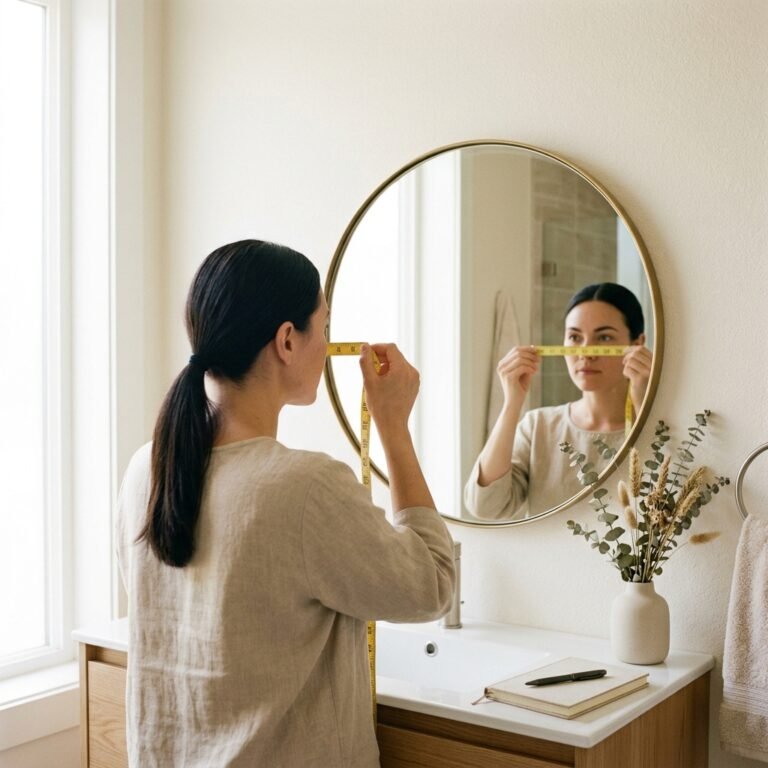
Pull all your hair back, stand in front of a mirror in good light, and look at four things: the width of your forehead, the width of your cheekbones, the width of your jaw, and the length of your face from hairline to chin. An old trick that still works is tracing the outline of your reflection on the mirror with a washable marker, then stepping back to study the shape.
Here is the quick guide. An oval face is longer than it is wide with softly balanced proportions. A round face is roughly as wide as it is long with full cheeks and a soft jaw. A square face has equal widths and a strong, angular jaw. A heart face is widest at the forehead and narrows to a pointed chin. A long or oblong face is noticeably longer than it is wide. And a diamond face is widest at the cheekbones with a narrower forehead and chin.
Most people are a blend of two shapes, so pick the closest match and treat the guidance that follows as a flexible starting point rather than a strict rule.

The Best Bangs for Every Face Shape
Now the heart of it. Find your shape below and note the reasoning, because understanding why a fringe works lets you adapt any bang trend to suit you.

Oval Face Shape
If your face is oval, you have quietly won the bangs lottery, because nearly every fringe suits your balanced proportions. Blunt bangs, curtain bangs, side-swept, wispy, and full fringes all tend to work beautifully.

With so much freedom, let your features and hair texture guide the choice. Curtain bangs enhance your natural balance without hiding it, blunt bangs make a bold statement, and wispy bangs keep things soft and low-maintenance. The only real caution is avoiding anything so heavy that it covers your naturally even proportions, since your face shape is an asset worth showing rather than concealing.
Round Face Shape
For a round face, the goal is to add length and structure, so the most flattering bangs create vertical lines and angles rather than width. Long, side-swept bangs are your best friend, sweeping diagonally across the forehead to slim and elongate the face beautifully. Curtain bangs that part in the middle and fall to the sides work wonderfully too, framing the cheeks with lengthening lines.
The fringe to approach with real caution is a short, straight, blunt one, since a hard horizontal line across a round face emphasizes width and can make it read even rounder. If you love the idea of a blunt fringe, ask for it longer and softly textured rather than short and severe, so it lengthens rather than widens.

Square Face Shape
A square face has a striking, angular jaw, and the aim with bangs is usually to soften those strong lines. Soft, wispy bangs and side-swept fringes work beautifully, adding gentle movement that balances the angles. Curtain bangs are excellent here too, their soft diagonal sweep softening the forehead and complementing a defined jaw.
The style to think twice about is a heavy, blunt, straight-across fringe, because a hard horizontal line stacked above an already angular face can amplify the squareness and make the whole look feel boxy. Texture is your friend, so anything piecey, feathered, and soft will flatter far more than anything sharp and geometric.

Heart Face Shape
A heart-shaped face is wider at the forehead and narrows to a delicate chin, so the goal is to balance that wider top half. Side-swept bangs are particularly flattering, softening a broader forehead while drawing the eye downward. Wispy, textured bangs work beautifully too, adding softness without adding width up top. Curtain bangs are a lovely choice as well, framing the face and breaking up the forehead gently.
Be a little cautious with very full, heavy blunt bangs, since piling weight and width across an already wider forehead can throw off the balance and make the chin look narrower still. Softer and wispier almost always suits a heart face better than dense and blunt.

Long or Oblong Face Shape
If your face is long, bangs are genuinely one of the best tools you have, because a fringe instantly reduces the visible length of the face. This is the one shape where a fuller, blunter fringe truly shines. Blunt bangs and heavier straight-across styles work wonderfully, creating a horizontal line that breaks up the length and makes the face appear shorter and more balanced.
The style to avoid is a very long, wispy, side-swept fringe that keeps the forehead mostly exposed, since it does little to shorten the face and can even emphasize the length. Go for something with real presence and a defined bottom line, which is exactly the opposite of the advice for a round face, and precisely why face shape matters so much.

Diamond Face Shape
A diamond face is widest at the cheekbones with a narrower forehead and chin, and bangs can beautifully add width up top to balance those striking cheekbones. Curtain bangs are ideal, adding softness and gentle width at the forehead while framing the face. Soft, side-swept and wispy fringes work well too, filling out the narrower forehead and drawing attention to the eyes.
Approach a very short, narrow blunt fringe with some caution, as it can emphasize the narrowness of the forehead rather than balancing it. The aim is to add a little softness and width at the top of the face, so anything that opens up and frames the forehead will flatter a diamond face nicely.
What Matters Beyond Your Face Shape
Face shape is the foundation, but a few other factors decide whether your bangs actually behave, so consider these before committing.
Hair texture comes first. Straight hair takes to blunt and sleek fringes easily, while wavy and curly hair needs bangs cut specifically for that texture, usually longer and softer, since curls shrink up considerably once dry. Fighting your natural texture into a fringe it does not want to hold is a recipe for daily frustration.
Then there are cowlicks and your hairline. A stubborn cowlick at the front can make certain bangs difficult or impossible, and a good stylist will spot this and steer you accordingly. Your forehead height matters too, with taller foreheads suiting fuller fringes and shorter ones often better with wispier styles.
Finally, be honest about maintenance. Bangs need styling most mornings and a trim every two to four weeks to stay the right length, which is more upkeep than people expect. If that sounds like too much, softer curtain or side-swept styles are far more forgiving than a precise blunt fringe.
Practical Tips Before You Commit to Bangs
A little preparation prevents the classic bangs regret, so try these before the scissors come out.
- Test the look first with clip-in bangs or by pinning your hair to mimic a fringe, and live with it for a day.
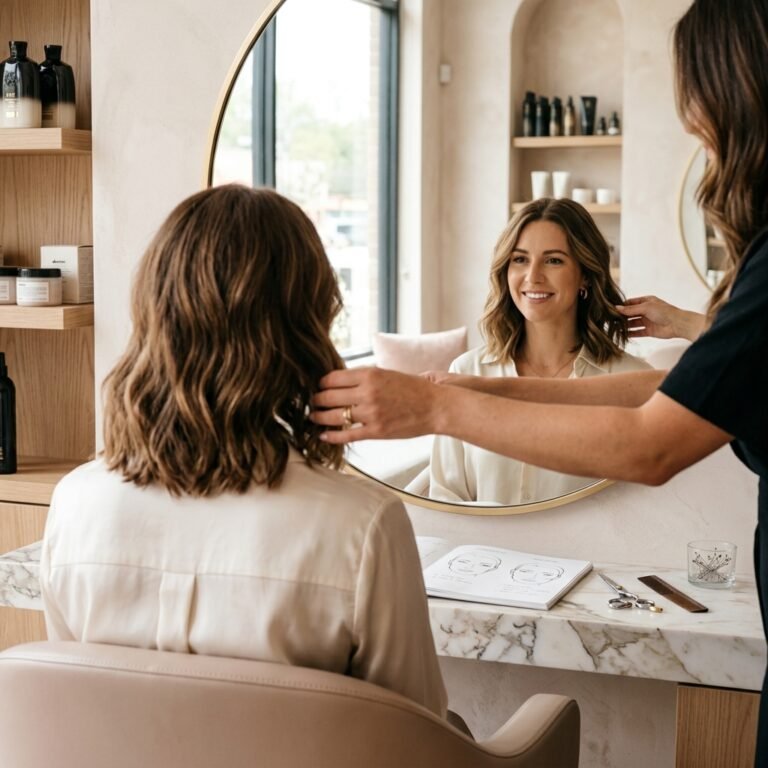
- Bring photos to your consultation showing the exact style you want, ideally on someone with a similar face shape and hair texture.
- Ask your stylist to cut bangs longer than you think you want, since a fringe can always go shorter but cannot go back.
- Book the appointment during a calm week rather than right before a big event, so you have room to adjust.
- Ask for a quick styling lesson before you leave the chair, so you know how to handle your new fringe at home.
- Be realistic about the trim schedule, since bangs grow out faster and more noticeably than the rest of your hair.
Ten minutes of preparation is the difference between loving your bangs and battling them.
Common Bangs Mistakes to Avoid
Most fringe regret traces back to the same handful of missteps, all of them avoidable.
Getting bangs on impulse tops the list, deciding in the chair on a whim without considering your face shape, texture, or lifestyle, which is how mismatched fringes happen.
Ignoring your face shape entirely is the classic, copying a fringe from someone with completely different proportions and expecting the same result.
Cutting them too short too soon is a frequent heartbreak, since a fringe that is too short cannot be undone and leaves you waiting weeks for it to grow.
Choosing a style that fights your texture surprises many, picking a sleek blunt fringe for curly hair or a wispy one that will not hold, then blaming the bangs rather than the mismatch.
Underestimating the upkeep catches people out, not realizing bangs need near-daily styling and frequent trims, then feeling stuck when the reality sets in.
And forgetting your cowlick is the quiet one, choosing a fringe that a stubborn growth pattern simply will not allow to sit properly.
What Stylists Wish Every Client Knew About Bangs
Stylists who cut fringes all day tend to repeat the same wisdom.
Face shape is the starting point, not the whole story. A skilled stylist weighs your proportions alongside your texture, hairline, and lifestyle, which is why the consultation matters more than any photo.
Always start longer. The most common regret is bangs cut too short, so a good stylist leaves room, lets you see the length, and trims down gradually rather than all at once.
Curtain bangs are the safest bet by far. They flatter nearly every face shape, grow out gracefully with no awkward stage, and are far more forgiving than a precise blunt fringe, which is why stylists suggest them so often.
Texture changes everything. Your stylist can see how your hair will behave once cut, so trust their guidance when they adapt the fringe you asked for to the hair you actually have.
And bangs are a commitment, not a whim. The clients who love their fringe are the ones who understood the upkeep going in, so knowing what you are signing up for is half the battle.
Frequently Asked Questions
What type of bangs suit my face shape?
It depends on your shape. Round faces suit long, side-swept, and curtain bangs that add length, square faces flatter with soft wispy fringes, heart faces suit side-swept styles, long faces shine with fuller blunt bangs, diamond faces suit curtain bangs, and oval faces can wear almost any style.
Are curtain bangs good for every face shape?
Curtain bangs are the most universally flattering fringe, working beautifully for round, square, heart, diamond, and oval faces because their soft diagonal sweep adds movement and frames the face. They are also the easiest to grow out, which makes them the safest bangs to try first.
What face shape should avoid blunt bangs?
Round, heart, and diamond faces should generally approach short, straight, blunt bangs with caution, since a hard horizontal line can emphasize width or narrowness. Long and oblong faces, by contrast, are exactly the shape that blunt bangs flatter most.
How do I know if bangs will suit me before cutting them?
Test the look first with clip-in bangs or by pinning your hair forward to mimic a fringe, then live with it for a day. Bring reference photos to a consultation and ask your stylist to assess your face shape, texture, and cowlicks before committing.
Are bangs high maintenance?
Yes, more than most people expect. Bangs typically need styling most mornings and a trim every two to four weeks to keep the right length. Softer curtain and side-swept styles are more forgiving, while precise blunt fringes require the most upkeep.
Final Thoughts
Bangs are only a gamble when you skip the one question that actually matters, which is what your face shape needs. Once you know that, a fringe stops being a risk and becomes one of the most flattering, refreshing changes you can make to your hair.
Find your shape, choose the style that balances it, whether that is lengthening side-swept bangs for a round face, softening wispy ones for a square jaw, or a fuller blunt fringe to shorten a long face, and factor in your texture, cowlicks, and how much upkeep you genuinely want. Test the look first, bring photos, and always start longer than you think.
Do that, and you sidestep the entire growing-out nightmare that gives bangs their reputation. The perfect fringe for you exists, it was simply waiting for you to match it to your face rather than to a trend. Now you know exactly how to find it.