The Layered Pixie Cut: Everything You Need to Know Before Your Next Salon Visit
If you’ve been scrolling through Pinterest or TikTok lately, you’ve probably noticed one style showing up everywhere: the layered pixie. It’s short, it’s textured, and it has this effortlessly cool energy that makes you want to call your stylist immediately. And honestly? That instinct is right.
The layered pixie cut has been around for decades, but it keeps coming back because it just works. Unlike a blunt, one-length pixie, the layered version has movement, dimension, and a softness that suits a much wider range of face shapes and hair types. Whether your hair is fine and silky or thick and wavy, there’s a version of this cut that’ll make you look like you spent way more time getting ready than you actually did.
In this post, we’re going to break down what exactly makes a layered pixie different from other short cuts, which face shapes it suits best, how to style it at home, and what to ask your stylist so you actually walk out with the cut you want.
What Actually Makes a Layered Pixie Different From a Regular Pixie
A lot of people lump all short haircuts together and call them pixies. But there’s a big difference between a blunt, close-cropped cut and a true layered pixie. The layering is what does all the heavy lifting here.
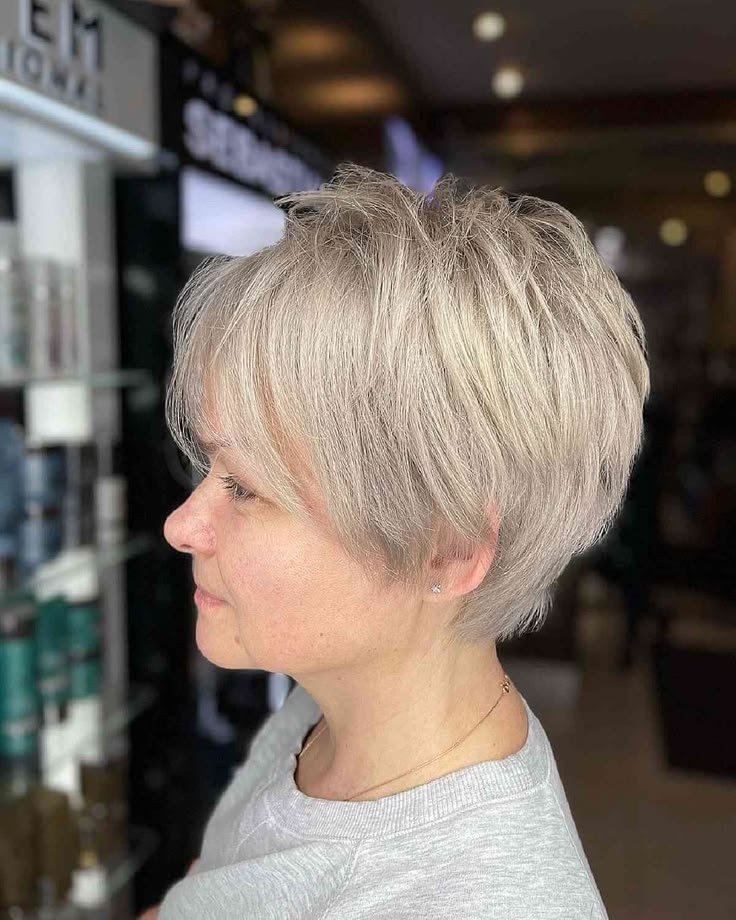
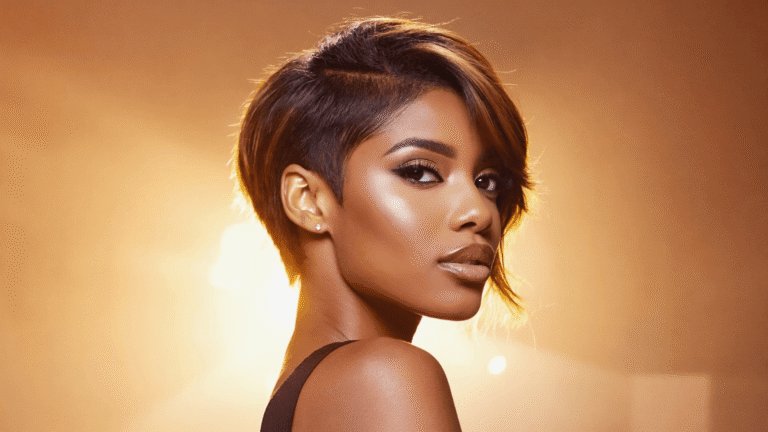
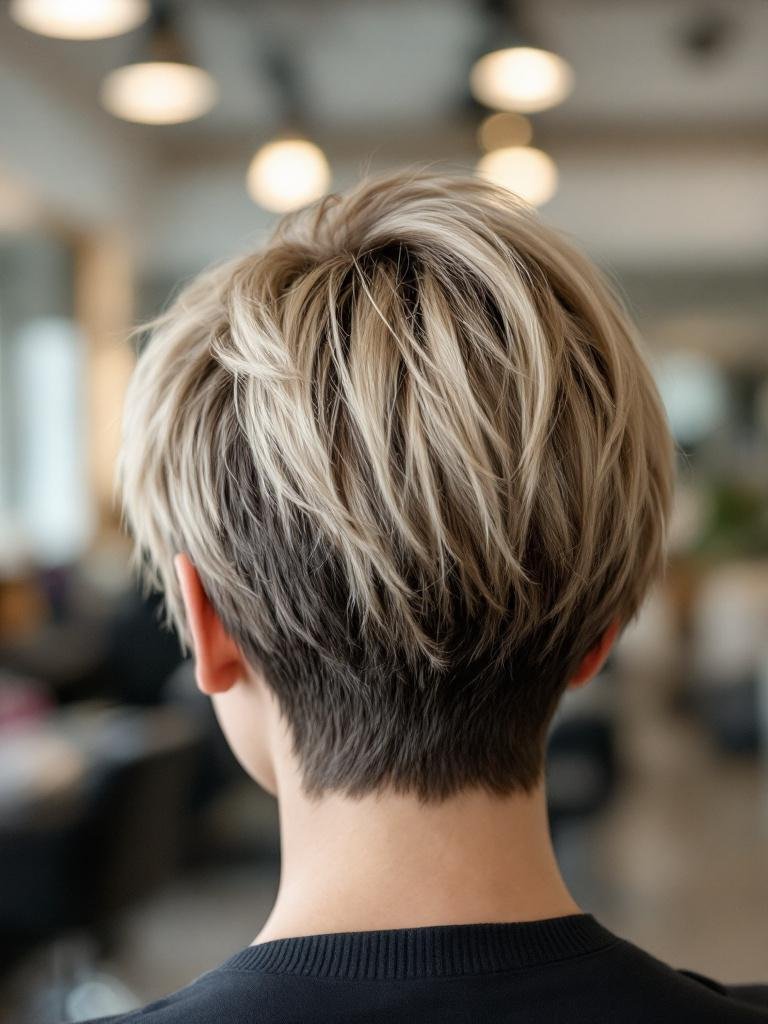
With a layered pixie, your stylist cuts the hair at multiple lengths instead of one uniform length all the way around. This creates texture, movement, and that wispy, lived-in look that photographs so well. The layers can be subtle or dramatic depending on what you’re going for. Some people want just a touch of softness around the face, while others want full choppy layers that give the cut a real edge.
The back and sides are usually kept shorter and tighter, while the top and crown have more length and dimension. This contrast is what gives the layered pixie its shape. It frames your face in a way a uniform crop simply can’t.
Fine Hair vs. Thick Hair: Does It Matter?
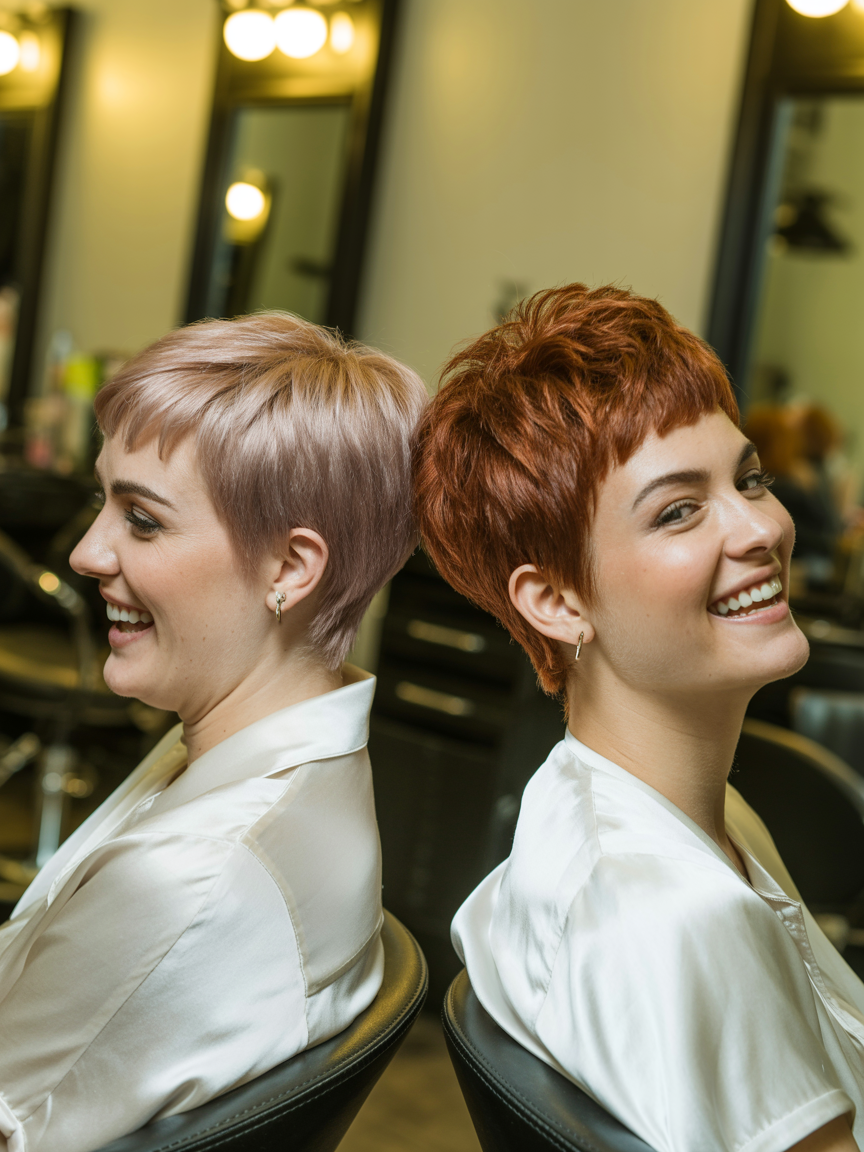
It matters a little, but not in the way most people think. Fine-haired folks actually do really well with a layered pixie because the layers create the illusion of volume and body. Without layers, fine hair tends to lie flat and look lifeless. With them, the same hair looks airy and full. It’s kind of amazing what a good pair of scissors can do.
If you have thick hair, layers are genuinely necessary rather than just nice to have. Without them, a pixie can look bulky and heavy, especially at the sides. The right layering removes weight while keeping the shape intact. Talk to your stylist about point cutting or razor finishing, which are techniques that work especially well for thick textures.
Which Face Shapes Look Best With a Layered Pixie
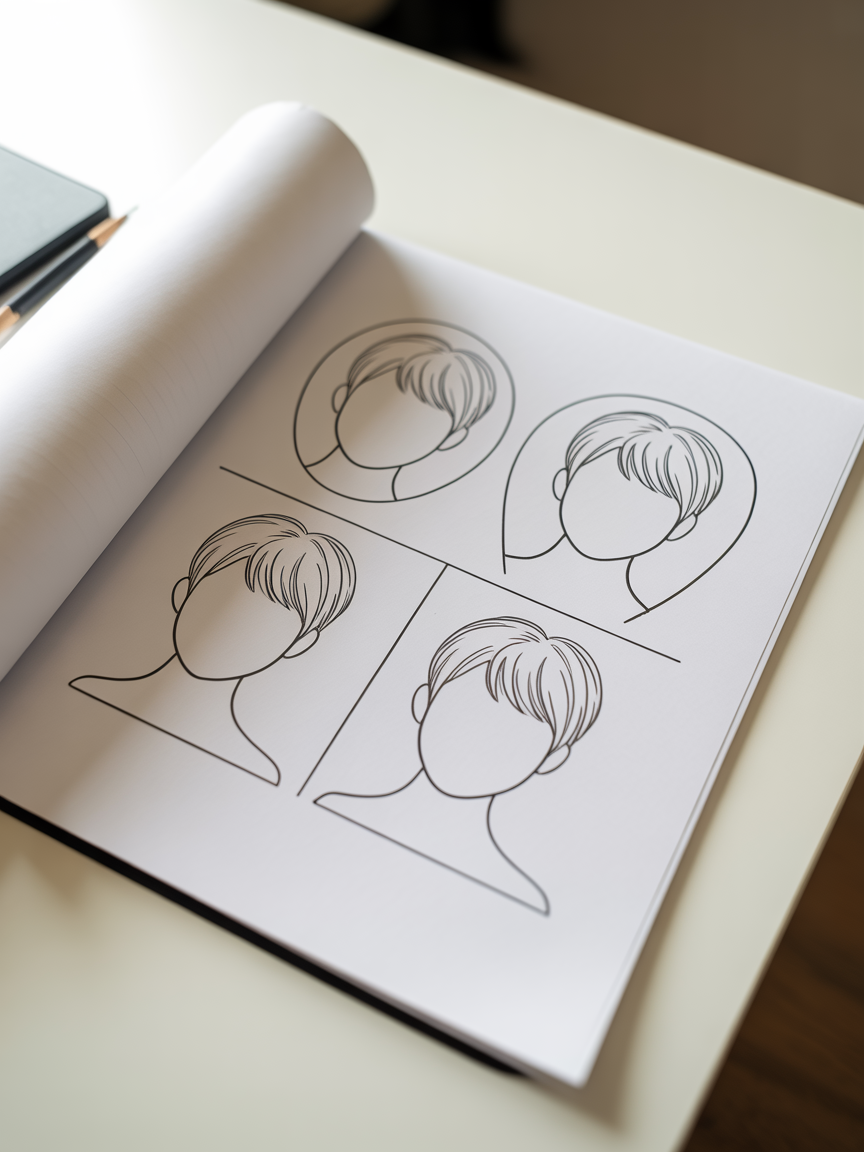
Here’s the truth: this cut can work for almost anyone. The key is adjusting the details to suit your specific face shape. It’s not about whether you can pull it off. It’s about knowing which version flatters you most.
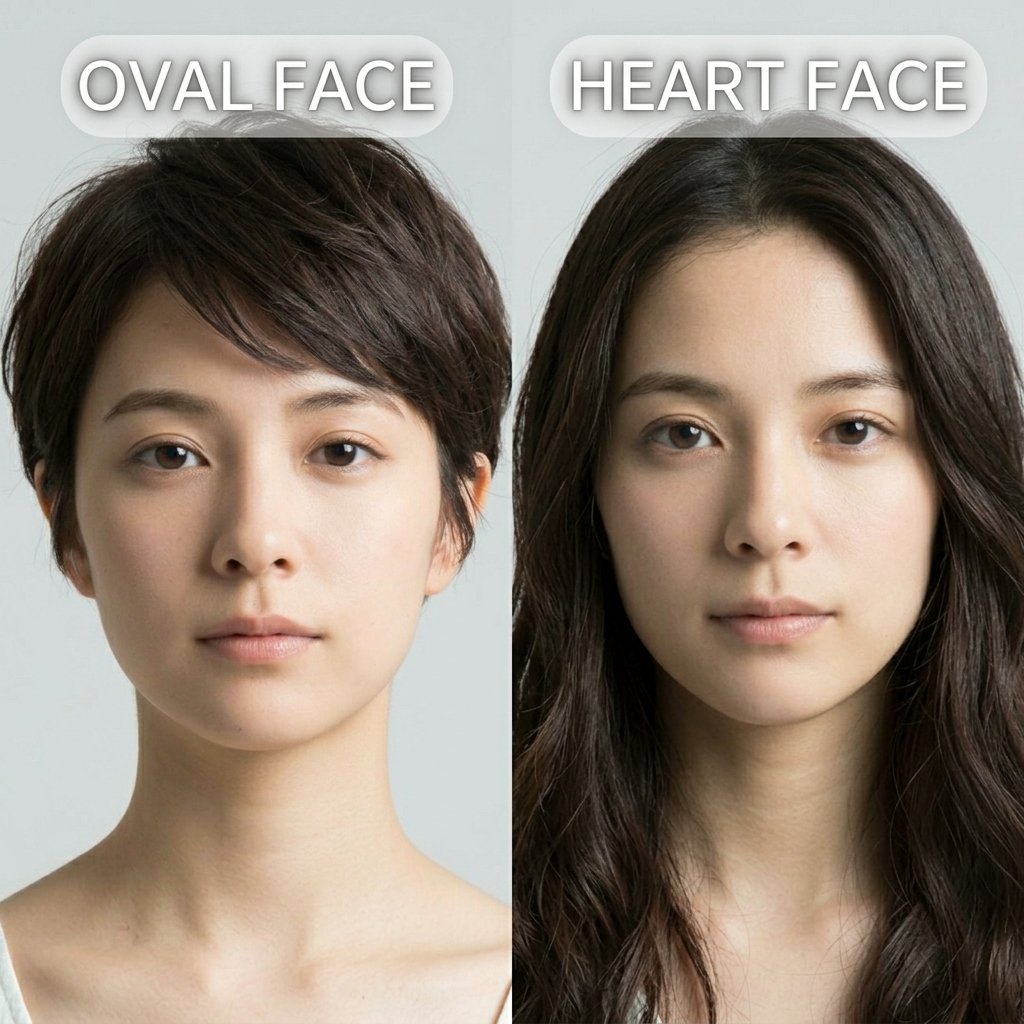
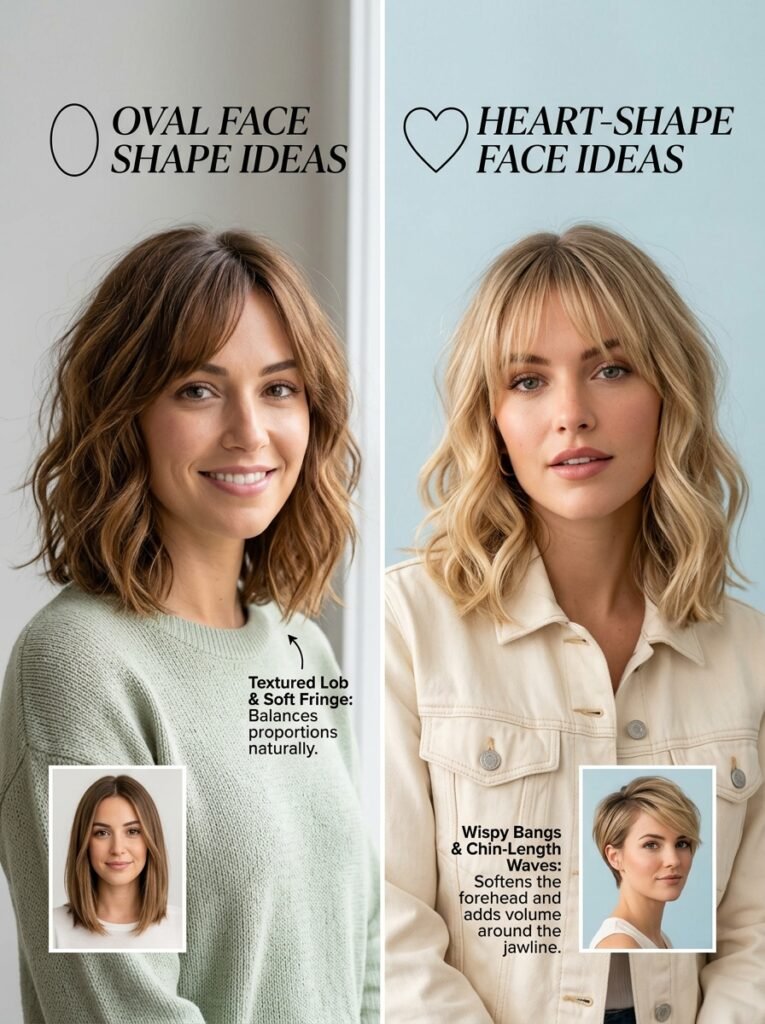
Oval and Heart-Shaped Faces
If you’ve got an oval face, congratulations, you basically won the hair lottery. Almost every variation of the layered pixie is going to look good on you. Go as short as you want on the sides or keep a bit more length on top. Either way, it works. Heart-shaped faces do particularly well with a layered pixie that has some volume at the crown and softness around the jaw line. Side-swept bangs or wispy fringe can also help balance a slightly wider forehead.
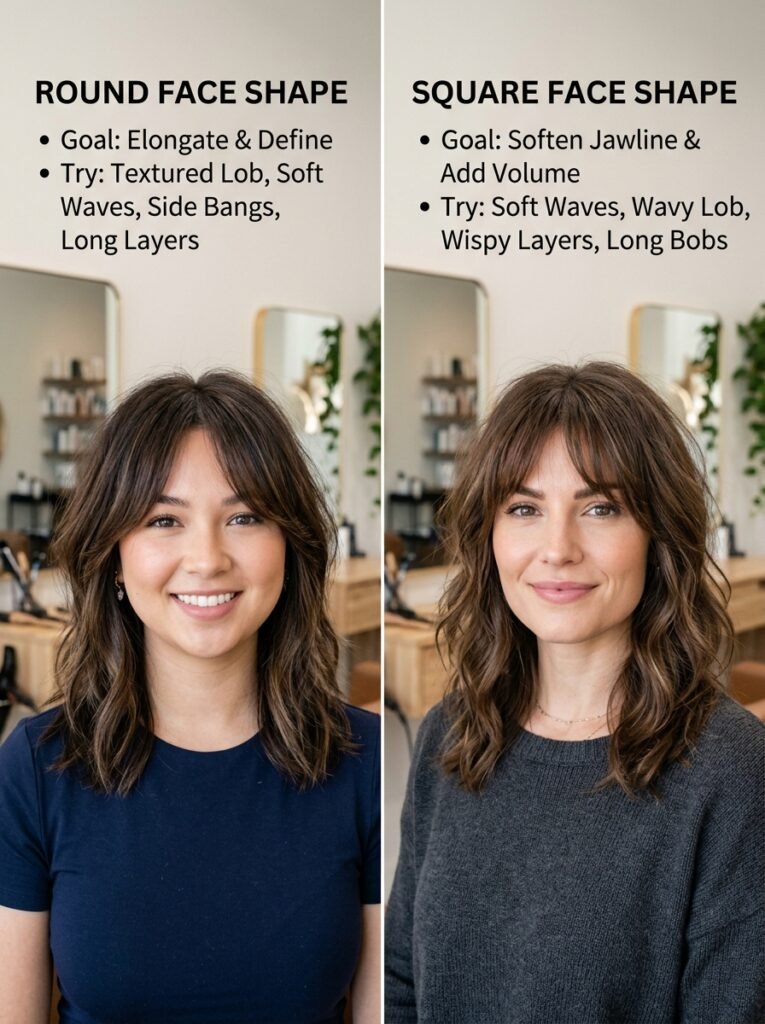
Round and Square Faces
Round faces tend to look their best when there’s height at the top and closeness at the sides. A layered pixie with longer layers on the crown is perfect for this. Avoid adding too much volume at the temples. Instead, direct the styling upward to elongate the face. Square faces have strong jaw lines and angular features that a layered pixie actually complements really nicely. The softness of the layers counterbalances that angularity without hiding it, which means you still look striking.
Long or Oblong Faces
For longer face shapes, you want width rather than height. Skip the super tall, dramatic top layers and opt for fuller sides with layers that sweep outward. A layered pixie with a side part and a bit of fringe across the forehead can work wonders for elongated faces. The goal is to add width to the middle of the face, and the right layer placement does exactly that.
How to Style a Layered Pixie at Home
One of the best things about this cut is that daily styling genuinely takes about five minutes once you know what you’re doing. The layers do a lot of the work for you. But there are a few tricks that make a big difference between a great hair day and a flat, unexciting one.
The Right Products Make or Break It
For most layered pixie styles, you want something that adds texture and hold without making the hair look stiff or crunchy. A lightweight pomade or styling paste is usually the sweet spot. Work a small amount through damp hair before blow drying and you’ll get shape and separation without any weirdness. If your hair is on the finer side, a volumizing mousse applied at the roots before drying will give you that lift that makes the whole style pop.
Texturizing spray is your best friend for day-two hair. Just a few spritzes and a quick finger-tousle and you’re good to go. Dry shampoo also works great for refreshing the roots and adding grip so your style stays in place throughout the day.
The Blow Dry Technique That Changes Everything
Most people don’t think much about how they blow dry short hair. But with a layered pixie, the direction you dry your hair shapes the entire finished look. After applying your product to damp hair, use a small round brush or your fingers to lift the roots as you dry. Always direct the airflow away from the scalp at the roots to build volume.
At the sides and back, smooth things down and close to the head. At the top and crown, keep lifting. If you want a messier, more textured finish, just scrunch and rough-dry without a brush, then finish with your fingers. A tiny bit of pomade through the tips adds definition and keeps flyaways in check.
What to Tell Your Stylist So You Get the Right Cut
Walking into a salon and saying ‘I want a layered pixie’ is a start, but your stylist will do a much better job if you can get specific. Bring photos. Seriously, this is the single most helpful thing you can do. Find two or three images of layered pixie cuts you love and bring them to your appointment.
Beyond the photos, think about these specifics before your appointment. How short do you want the back and sides? Do you want it tapered or does the thought of a razor near your neck make you nervous? Do you want fringe, side-swept bangs, or no bang at all? Are you open to having the texture point-cut or razor-cut for a softer edge? The more clearly you can communicate, the more likely you are to leave with exactly what you envisioned.
Also be honest about your lifestyle. If you tell your stylist you’re low maintenance and they know you want a style that actually works with minimal effort, they can adjust the cut accordingly. Some layered pixie styles need a bit more product and attention than others. Getting the right version for your actual morning routine matters.
Keeping Your Layered Pixie Looking Fresh Between Appointments
Short hair grows out faster than it seems. Most people with a layered pixie find they need a trim every four to six weeks to keep the shape looking intentional rather than overgrown. The good news is that trims for short hair are usually quicker and less expensive than a full cut. Your stylist can tidy up the neckline and clean up the sides without touching the overall shape.
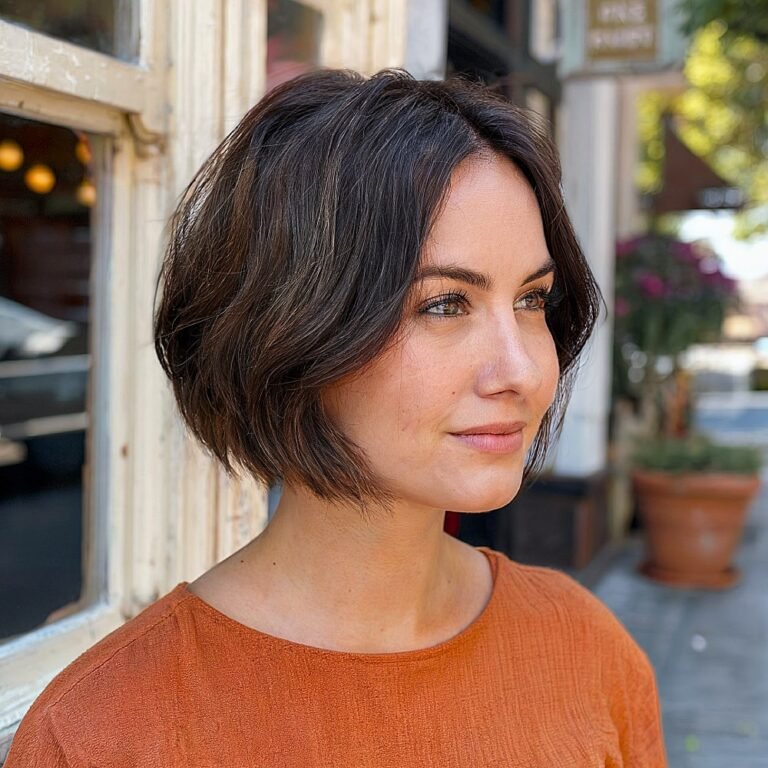
As the cut grows out, you might actually love the in-between stages. A layered pixie growing into a short bob or a textured lob can look amazing if the layers are maintained. Talk to your stylist about a grow-out plan if you’re not sure you want to stay short forever. You don’t have to commit to a pixie for life just because you’re getting one today.
How Color Can Take a Layered Pixie to Another Level
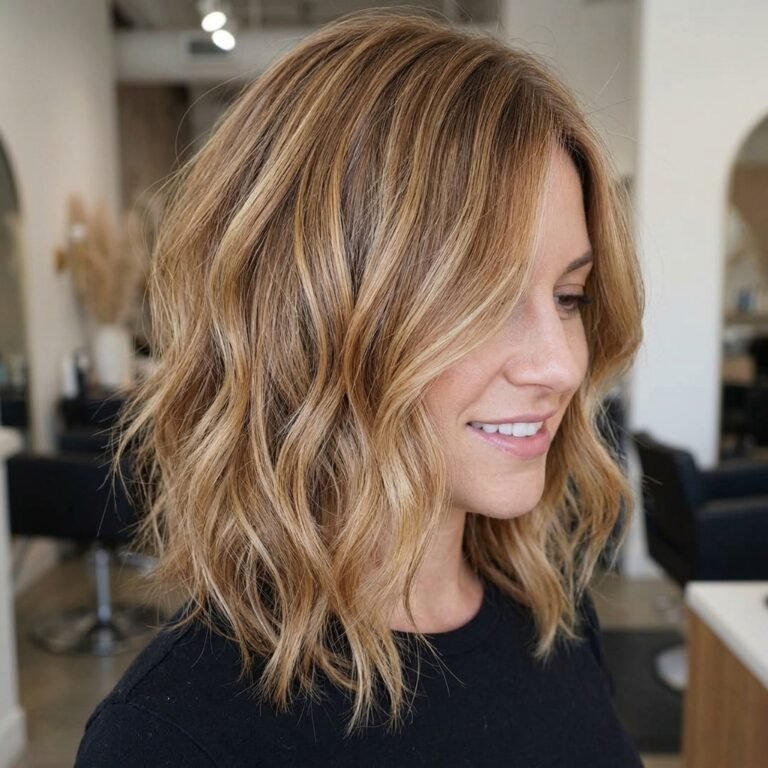
Short hair and color are a genuinely great combination. Because the cut is close to the head, color has a big visual impact. The layers in a layered pixie are particularly well suited to techniques like balayage, babylights, or a simple gloss because the color moves with the texture and catches the light in a way that flat, one-length cuts can’t replicate.
Face-framing highlights are especially popular with the layered pixie right now. A few lighter pieces around the face draws attention to your features and adds dimension without being high maintenance. If you’re more of a one-color person, a glossy single process color on a layered pixie still looks incredibly polished and modern.
If you’re going shorter for the first time, it might be worth waiting a few weeks after your cut before adding color, just so you can see how the cut grows and sits on your specific hair before committing to a color placement. But if you already know what you want, go for it at the same appointment and enjoy the full transformation all at once.
Final Thoughts
The layered pixie is one of those rare haircuts that genuinely has something to offer most people, regardless of hair type, face shape, or personal style. The layers give it flexibility, the short length gives it energy, and the overall effect is a cut that looks polished even when you’ve done basically nothing to it. Whether you’re making the chop for the first time or you’re a short-hair veteran looking for more texture and movement, this cut is absolutely worth considering. Talk to a stylist you trust, bring your reference photos, and don’t be afraid to go for it. The right layered pixie might just be the best hair decision you’ve ever made.