How to Choose the Perfect Haircut for Your Face Shape (Without Regretting It)
There is a very specific feeling that comes with a bad haircut. You sit down in the chair full of optimism, the scissors do their work, and somewhere between the first snip and the final blow dry you realize this is not going to end the way you hoped. Then you spend the next three months telling everyone you are growing it out.
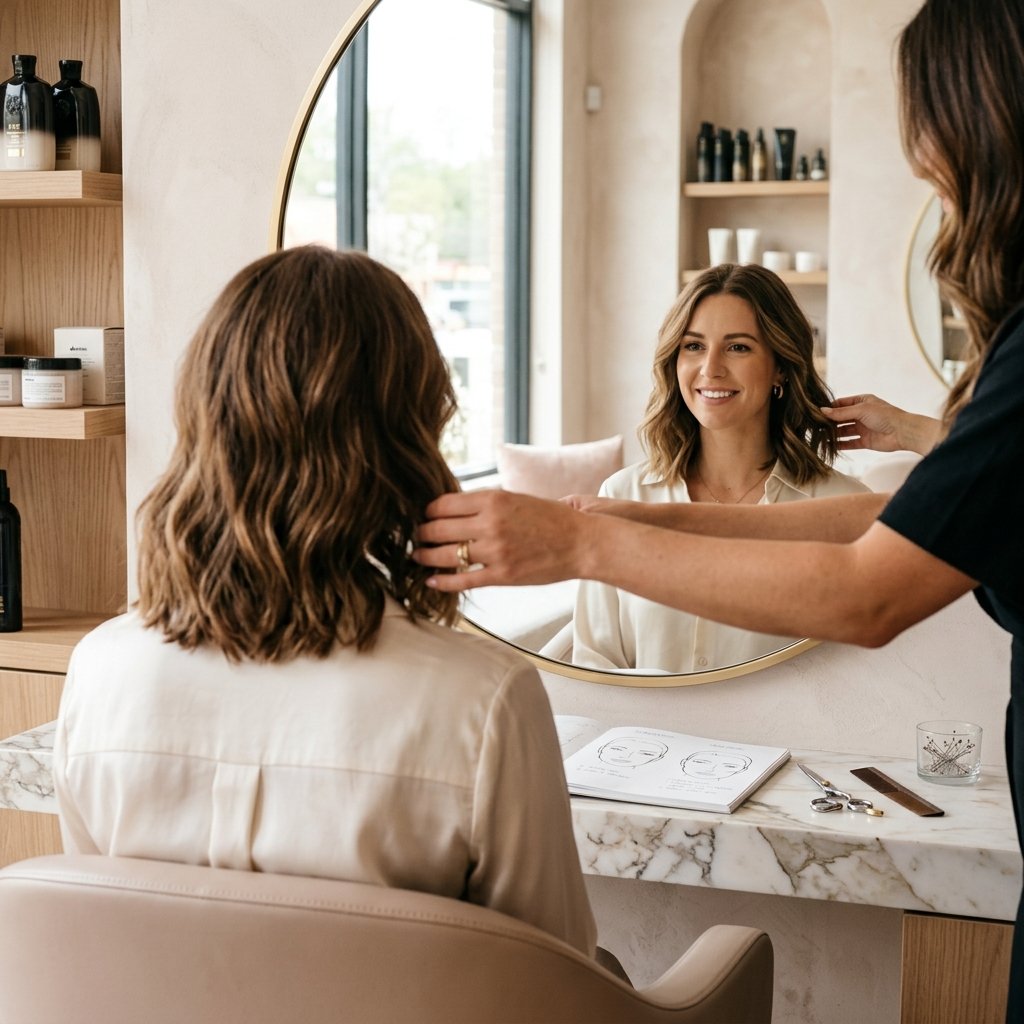
Here is the good news. Haircut regret is almost always preventable, and the prevention starts long before you book the appointment. It starts with understanding your face shape, knowing what genuinely flatters it, and learning how to explain all of that clearly once you are in the chair.
This guide walks you through the entire process. You will learn how to identify your face shape at home in five minutes, which cuts suit each shape and why, what matters beyond bone structure, and the mistakes that send so many people home in a hat.

Why Your Face Shape Matters More Than the Latest Trend
Every year a handful of haircuts go viral. The wolf cut, the butterfly cut, the Italian bob. They look incredible in the photos, and that is exactly the problem. Those photos show the cut on someone whose bone structure and hair texture were chosen because they suit that exact style.
A haircut is essentially a frame for your face. The right frame draws attention to your eyes, balances your proportions, and softens or sharpens features depending on what you want. The wrong frame does the opposite, and no amount of styling product can fully fix it.
That is why face shape is the smartest starting point when choosing a new cut. It is not a strict rulebook, and plenty of people happily break the so-called rules. But understanding your proportions gives you a reliable way to predict how a cut will look on you rather than on the model in the picture. Think of it as loading the odds in your favor before a single strand gets trimmed.

How to Work Out Your Face Shape at Home
You do not need a stylist or a fancy app to figure this out. You need a mirror, decent lighting, and about five minutes.
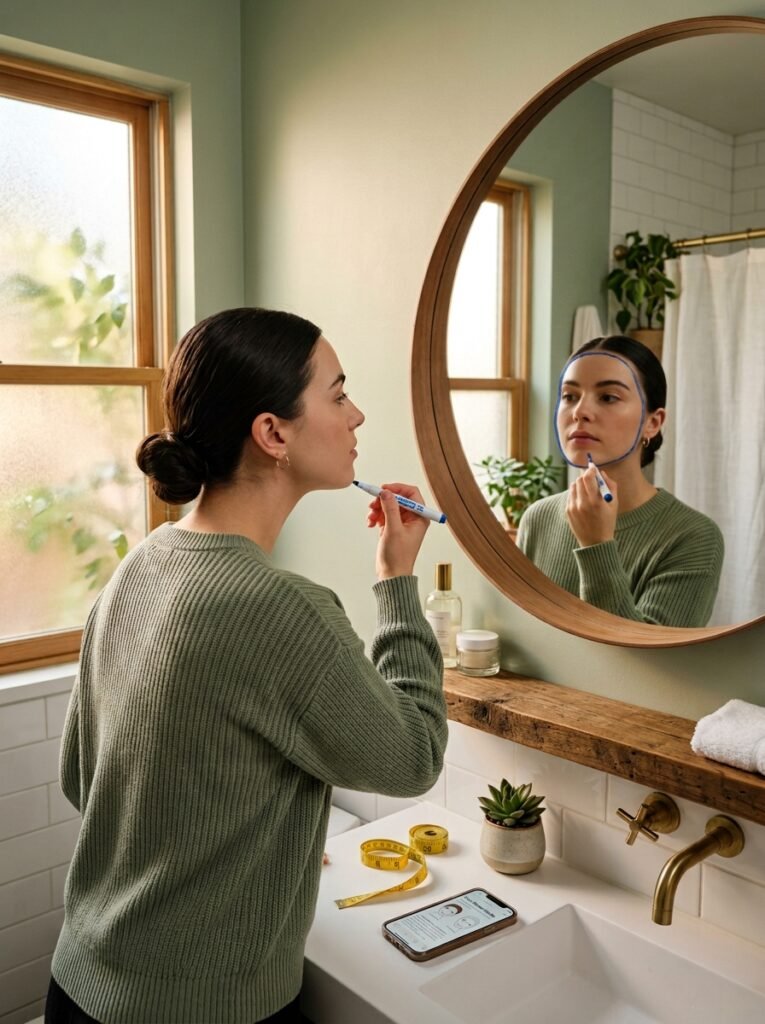
Start by pulling all of your hair back with a headband or a snug ponytail. Stand directly in front of a mirror, or take a photo of yourself straight on with your phone at eye level. Relax your face. No smiling, no tilting.
Now look at four things:
- The width of your forehead at its widest point
- The width of your cheekbones
- The width of your jawline
- The length of your face from hairline to chin
You can eyeball these or measure with a soft tape measure if you want precision. An old trick that still works beautifully is tracing the outline of your reflection on the mirror with a washable marker, then stepping back to study the shape you drew.
One honest note before you match yourself to a category. Almost nobody is a textbook example of a single shape. Most of us are a blend of two, so pick the closest match and treat the advice that follows as a starting point rather than a diagnosis.
The Best Haircuts for Every Face Shape
Find your shape below, and pay attention to the reasoning behind each recommendation. Understanding why a cut works is what lets you adapt any trend to suit you.

Oval Face Shape
An oval face is slightly longer than it is wide, with a forehead just a touch wider than the jaw and softly curved lines throughout. If this is you, nearly every haircut sits comfortably on your proportions. Blunt bobs, long layers, pixie cuts, and curtain bangs all work.
The only real risk is hiding what you have. Heavy fringes that cover most of the face or shapeless styles can bury naturally balanced features. Keep some of your face visible and let the cut showcase your bone structure instead of concealing it.

Round Face Shape
A round face is roughly as wide as it is long, with full cheeks and a soft jawline. The goal here is usually to add a little length and angle. Long layers that begin below the chin, a deep side part, and a textured lob falling past the jaw all create the illusion of a leaner face. Long curtain bangs that graze the cheekbones are lovely too.
Be cautious with chin-length blunt bobs and cuts that add volume at the sides, since both emphasize width exactly where you already have it. Height at the crown, on the other hand, is your friend.

Square Face Shape
A square face has a strong, angular jawline, with the forehead, cheekbones, and jaw all close to the same width. It is a striking shape, and the usual aim is to soften those angles slightly. Soft layers, loose waves, side-swept bangs, and shoulder-length cuts with plenty of movement all flatter it. Wispy ends around the jaw take the edge off without hiding anything.
Approach one-length blunt bobs that end exactly at the jawline with care, along with heavy straight-across fringes. Sharp horizontal lines stacked on an angular jaw can make the whole face read as boxy.
Heart Face Shape
A heart-shaped face is widest at the forehead and narrows to a delicate, sometimes pointed chin, often with a widow’s peak. The trick is balancing the wider top half with the narrower bottom half. Chin-length bobs, wavy lobs, and any cut that adds fullness around the jaw do exactly that. Curtain bangs and side-swept fringes soften a broader forehead beautifully.
Try not to stack lots of volume at the crown or choose very short, slicked-back styles. Both pull attention upward and can make the chin look narrower than it really is.

Diamond Face Shape
A diamond face is widest at the cheekbones, with a narrower forehead and a fine, often pointed chin. Those cheekbones are the star, and the best cuts support them by adding gentle width at the forehead and jaw. Chin-grazing bobs, side-parted styles, and soft fringes all do this well. Shoulder-length cuts with texture through the ends help fill out the lower half of the face.
What you want to avoid is extra volume sitting right at cheekbone level, which exaggerates width you already have, and severe pulled-back styles that leave the narrow forehead completely exposed.

Long or Oblong Face Shape
A long face is noticeably longer than it is wide, with fairly even widths from forehead to jaw. Here the goal flips. Instead of adding length, you want to add width and visually shorten the face. Bangs are the single most effective tool, because a fringe instantly reduces the visible length. Waves, curls, and layered cuts that build side volume work beautifully, and a shoulder-length blunt cut is another reliable choice.
The styles to watch out for are very long, one-length hair without layers and anything that piles serious height on top of the head. Both stretch the face even further.

What Matters Just as Much as Face Shape
Face shape gets most of the attention in guides like this, but any experienced stylist will tell you it is only part of the equation.
Hair texture and density come first. A sleek French bob assumes straight or gently waved hair with decent thickness. Put the same cut on fine, very curly hair and you get an entirely different result. Always ask whether the photo you love shows hair that behaves like yours.
Then there is your lifestyle. Be brutally honest about how many minutes you will actually spend styling each morning. A cut that needs forty minutes with a round brush is a poor match for someone who air dries and runs out the door.
Finally, think about your hairline, cowlicks, and the features you love. A stubborn cowlick can make certain fringes impossible, while glasses, neck length, and even your natural parting all influence what will flatter you most.
How to Talk to Your Stylist So You Get the Cut You Want
The consultation is where haircuts are won or lost, and most regret traces back to a rushed or vague conversation in those first five minutes.
Bring three to five photos of cuts you love, and if you can, one photo of a style you definitely do not want. Pictures communicate far more accurately than words, because your idea of choppy layers and your stylist’s idea of choppy layers may be very different things.
Describe length in relation to your face, not in inches. Saying you want the front pieces to hit your collarbone is much clearer than asking for two inches off. Be upfront about your daily routine, your past haircut disappointments, and how often you realistically book trims.
Then listen. A good stylist will explain how a cut needs adapting for your texture and growth patterns. That is expertise, not resistance. And ask one golden question before the scissors come out: what will this look like when I style it myself at home?
Smart Ways to Test a Haircut Before You Commit
You do not have to gamble your whole appearance on a hunch. A few low-risk experiments reveal a lot before anything permanent happens.
- Try clip-in bangs before cutting a real fringe. They cost very little and answer the question instantly.
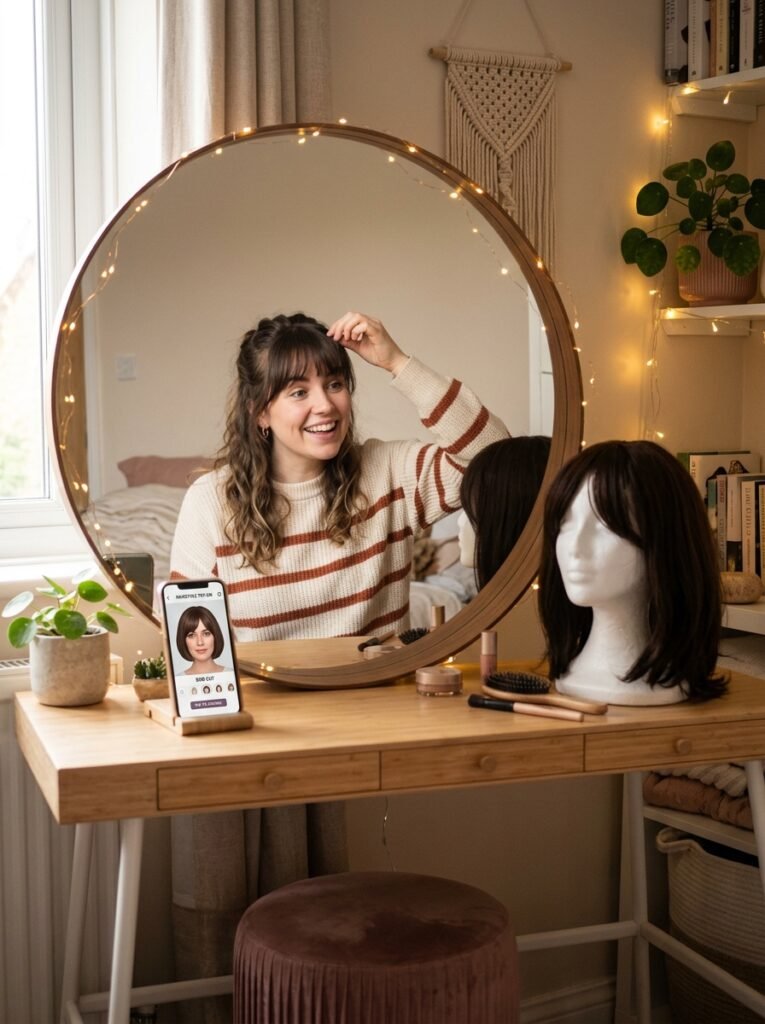
- Use a virtual try-on app or photo editor to preview lengths and styles on your own face.
- Make dramatic changes in stages. Go from long hair to a lob before committing to a bob, and to a bob before considering a pixie.
- Pin or tuck your hair to mimic a shorter length and live with it for an evening.
- Avoid booking a drastic change during a stressful week or right before a major event. Give yourself room to adjust.
Small tests like these have saved countless people from months of awkward growing out, and they cost almost nothing.
Common Mistakes That Lead to Haircut Regret
After enough salon visits, you start noticing the same missteps behind almost every haircut horror story.
The biggest one is choosing a cut from a photo of hair that is nothing like yours. Texture, density, and color all change how a style sits, so a picture is only useful if the hair in it behaves the way yours does.
Telling the stylist to do whatever they want is another classic. It sounds relaxed and trusting, but it hands over decisions you will live with for months.
People also underestimate maintenance. Pixies need trims every four to six weeks, fringes need styling almost daily, and heavily layered cuts can turn shapeless fast without upkeep.
Then there are the emotional cuts. Booking a dramatic chop the day after a breakup or a horrible week rarely ends well, because the decision is about the feeling, not the hair.
And finally, staying silent in the chair. If something looks wrong halfway through, say so kindly. Adjusting mid-cut is easy. Fixing a finished cut is not.
What Stylists Wish Every Client Knew
Talk to working stylists and a few themes come up again and again.
Face shape is a guideline, not a law. Professionals use it as shorthand for proportion and balance, but they weigh it alongside your texture, hairline, and personality. The consultation matters more than any chart.
Your stylist can also see things you cannot, like the cowlick at your crown or the way your hair grows forward at the temples. When they steer you away from a particular fringe, there is usually a physical reason behind it.
A genuinely good haircut should still look decent on a lazy day. If a style only works after half an hour of hot tools, it was designed for a photoshoot, not a life.
And feedback is welcome. Stylists would much rather you speak up in the moment than smile politely, tip, and never come back.
Frequently Asked Questions
What is the most universally flattering haircut?
A collarbone-length cut with soft layers and light face framing flatters nearly every face shape. It adds movement, keeps your length versatile, and the face-framing pieces can be angled to balance almost any proportions.
How do I know if bangs will suit my face shape?
Curtain bangs are the safest starting point because they flatter oval, round, square, and heart shapes and grow out gracefully. Test the idea with clip-in bangs first, and ask your stylist to start longer than you think you want, since a fringe can always go shorter.
Can I still get a trendy haircut if it does not match my face shape?
Yes, and this is exactly what good stylists do all day. Most trends can be adapted by adjusting the length, the layers, or where the volume sits. Bring the photo, explain what you love about it, and let your stylist translate it for your proportions.
How often should I get a haircut?
Short cuts like pixies and cropped bobs need a trim every four to six weeks to hold their shape. Shoulder-length styles do well at six to eight weeks, and long hair can usually stretch to eight to twelve weeks as long as the ends stay healthy.
What should I do if I hate my new haircut?
Give it a week before making any decisions, and wash and style it yourself at least twice, since salon styling can make a cut feel unfamiliar. If you still dislike it, call the salon. Most offer free adjustments within one to two weeks, and small tweaks fix the majority of complaints.
Final Thoughts
Choosing the perfect haircut for your face shape is not about squeezing yourself into a category or obeying rigid rules. It is about understanding your own proportions well enough to predict what a cut will do before it happens, and communicating clearly enough that your stylist can actually deliver it.
Take five minutes to work out your shape. Study the recommendations, but hold them loosely, because your texture, lifestyle, and personal taste get a vote too. Test big ideas in small ways, bring photos to your consultation, and never be afraid to speak up in the chair.
Do all of that and the odds of walking out of the salon delighted rather than devastated rise dramatically. Your next haircut should feel like a fresh start, not a countdown to when it finally grows out. Now you know exactly how to make sure it does.